General articles are free for 24 hours after publish.
Cambodia Faces 45,000 Clean Energy Worker Shortage Amidst Training System Gaps
Cambodia is projected to need approximately 45,000 additional workers in clean energy sectors in the coming years, driven by targets like achieving 70% renewable power capacity by 2030. However, the country's current training system is not equipped to meet this demand, citing a lack of standardized certifications and hands-on training.
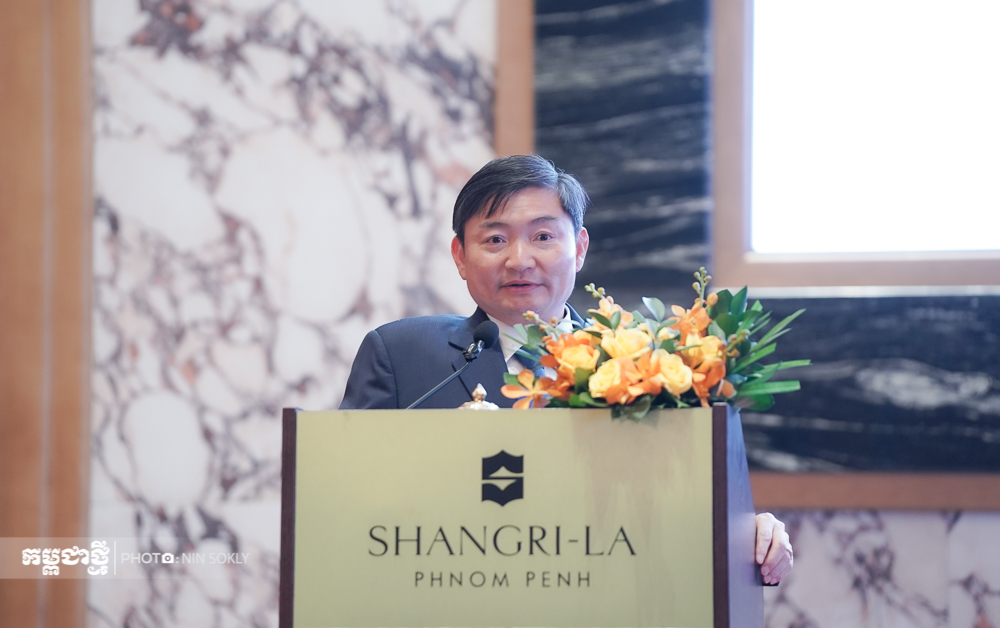
PHNOM PENH, Sept 16, 2026 (KPT) — Cambodia is projected to need approximately 45,000 additional workers in the solar, energy efficiency, and electric vehicle (EV) sectors in the coming years, but the country’s training system is not yet equipped to meet this demand, industry officials warned Wednesday. The forecast was presented by EnergyLab Asia at the Clean Energy Skills Conference, part of Clean Energy Week 2026, organised with the Liechtenstein Development Service (LED) and the Ministry of Labour and Vocational Training. Regional director Natharoun Ngo Son said the projection was based on Cambodia’s clean energy targets, including reaching 70 percent renewable power capacity by 2030 and rising electric vehicle adoption. He broke the estimate down into roughly 25,000 jobs for EV technicians and engineers, 12,000 in solar construction and maintenance, and 8,000 in energy efficiency services. An assessment by EnergyLab Asia and Sevea identified barriers including a lack of standardised certifications, limited hands‑on training, and curricula lagging behind industry needs. Labour Minister Heng Sour acknowledged the challenge, calling the transition “both a technological evolution and a fundamental realignment of skills and labour markets.” He said training institutions must evolve at the speed of innovation and qualifications must earn employers’ trust. Ky Sokkim, CEO of the Skills Development Fund, said the fund had supported training for about 101,000 people as of September, with industry and providers covering 46 percent of the USD 51 million in costs. A third‑party assessment found 89 percent of enterprises reported productivity gains and 86 percent a return on investment. Bridget Collier, deputy head of mission at the Australian embassy, said skills shortages had been repeatedly flagged in clean energy studies, stressing success depends on closer collaboration between government, industry and training providers. Australia has long supported vocational training in Cambodia and helped establish the Automotive Centre of Excellence earlier this year with Bendigo Kangan Institute and RMA Group to prepare workers for the EV sector. LED country coordinator Leakhena Saroeurn said the three‑year project “Building a Clean Energy Skills Ecosystem for Cambodia” had already supported solar trainer development with WWF and energy manager training at the Institute of Technology of Cambodia. The conference forms part of Clean Energy Week 2026, a weeklong event running through Sept 21 under the theme “Clean Energy for Energy Security and Economic Resilience.”
Original source
Kampuchea Thmey English