SC unlikely to intervene in Senate vote for Chiz as presiding officer, says Constitution framer
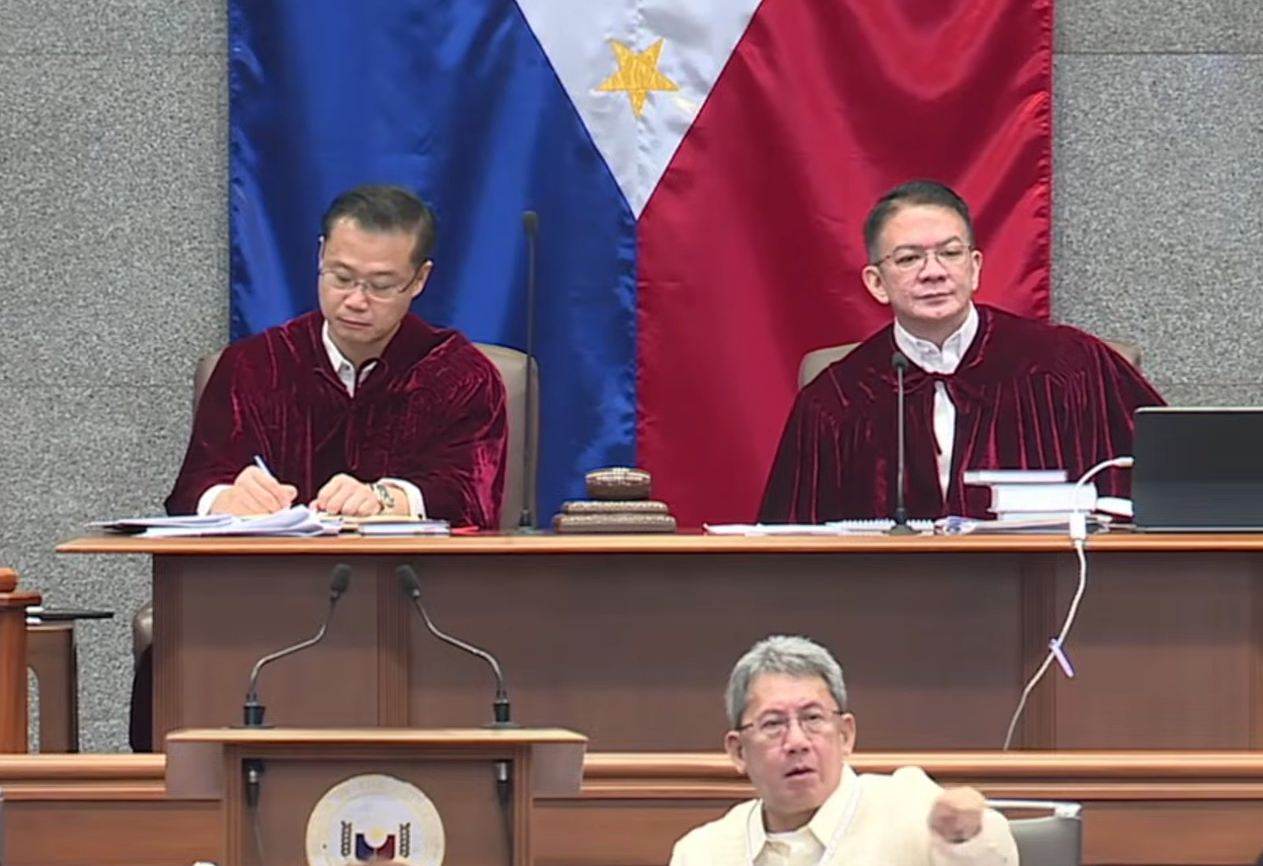
A framer of the Philippine Constitution believes the Supreme Court is unlikely to intervene in the Senate's decision to elect a presiding officer for the Vice President's impeachment trial, amid legal challenges to the choice of Senator Francis Escudero.
A framer of the 1987 Constitution expressed belief Tuesday that the Supreme Court will keep its hands off the election of Senator Francis "Chiz" Escudero as the presiding officer of the Senate impeachment court for the trial of Vice President Sara Duterte. Former Supreme Court associate justice Adolfo Azcuna spoke on the issue amid the legal challenge mounted by Atty. Israelito Torreon, counsel for several allies of the Duterte family, and other lawyers questioning Escudero's authority to preside over the proceedings. Azcuna said that the matter is within the Senate's jurisdiction. "I think the Supreme Court will not intervene for now because this matter should be left to the Senate. These are matters that the Senate can easily provide for, according to the rules that the Constitution says that the Senate can adopt," Azcuna said in an interview with GMA News. In a very urgent manifestation with motion filed on Monday, July 6, the lawyers asked the SC to issue a status quo ante order barring the impeachment court and its officers from proceeding with the trial until the question over Escudero's authority to preside has been resolved. The petitioners also asked the SC to issue orders ensuring that the trial proceeds only under Rules of Procedure on Impeachment Trials that were validly adopted and under a presiding officer whose authority is free from any unresolved constitutional challenge. Escudero was nominated as presiding officer by Senator Panfilo Lacson amid the opposition of Minority Leader Alan Peter Cayetano and the minority bloc. Senators Kiko Pangilinan and former Senate President Tito Sotto have said there is no explicit constitutional provision mandating that the Senate President should be the presiding officer of the impeachment trial. For his part, Azcuna said the Senate President can yield the chair to any member he desires. "It is up to the Senate to adopt according to its rules. It is also up to the Senate President and parliamentary practice, the Senate President can yield the chair to any other member as he desires," he added. Cayetano had argued that the amendment allowing a non-Senate President to preside is void. — VDV, GMA News
多角的分析
本件は直接的な経済的影響は小さいが、政治的安定性が投資家の信頼に影響を与えるフィリピン経済の文脈で捉える必要がある。弾劾裁判の長期化や政治的混乱は、国内および海外からの投資判断に不確実性をもたらす可能性がある。特に、副大統領の政治的立場や今後の政策決定への影響が懸念される場合、市場は慎重な姿勢をとる可能性がある。
投資家は、この状況を政治的リスクの兆候と見なすだろう。最高裁の介入がないという見解は、短期的には政治的混乱の拡大を防ぐ要因となるかもしれないが、弾劾手続きそのものが進行すること自体が、政策の不確実性や政権運営への影響を意味する。特に、ASEAN地域内でのフィリピンの政治的安定性は、海外からの直接投資(FDI)の判断基準の一つとなるため、注視が必要である。
弾劾裁判のプロセスは、司法の独立性と政治的権力との関係を国民に問いかける。エスクデロ上院議員の裁判長選任を巡る議論は、法の支配がどのように機能するか、そして政治的影響力が司法判断にどのように作用するのかという、市民の関心を引く論点である。特に、ドゥテルテ家を支持する層と、現政権を支持する層の間での意見の対立が、社会的な分断を浮き彫りにする可能性がある。
市民にとっては、弾劾裁判の行方は、政治の透明性や説明責任への期待と直結する。副大統領という要職にある人物の弾劾手続きは、国民の政治への関心を高める。エスクデロ議員の裁判長としての公平性や、裁判自体の公正さが問われることになる。また、最高裁が介入しないという判断は、司法の独立性を支持する一方で、上院の判断に委ねられることの是非についても、市民の間で様々な意見を生むだろう。
背景・歴史的文脈
フィリピンにおける弾劾制度は、大統領や副大統領などの高官に対する憲法上の説明責任を確保するための重要なメカニズムである。1987年憲法は、弾劾手続きを上院の権限と定めているが、その具体的な運用や裁判長の選任方法については、解釈の余地が残されている。過去にも、政治的対立が弾劾手続きに影響を与えた事例があり、今回は副大統領が関与しているため、政治的な注目度が高い。エスクデロ議員の指名に対する反対は、ドゥテルテ派と現政権派の政治的力学を反映していると考えられる。
原文ソース
GMA News Philippines