BARMM Peace Process Faces Strain Over Implementation Issues
Politics
2026年7月1日
4
Rappler Philippines

BARMM Peace Process Faces Strain Over Implementation Issues

AI サマリー

Tensions are escalating in the Bangsamoro Autonomous Region in Muslim Mindanao (BARMM) over the implementation of the peace accord. Peace process stakeholders express concerns that government deviations and delays are undermining hard-won gains after decades of conflict.

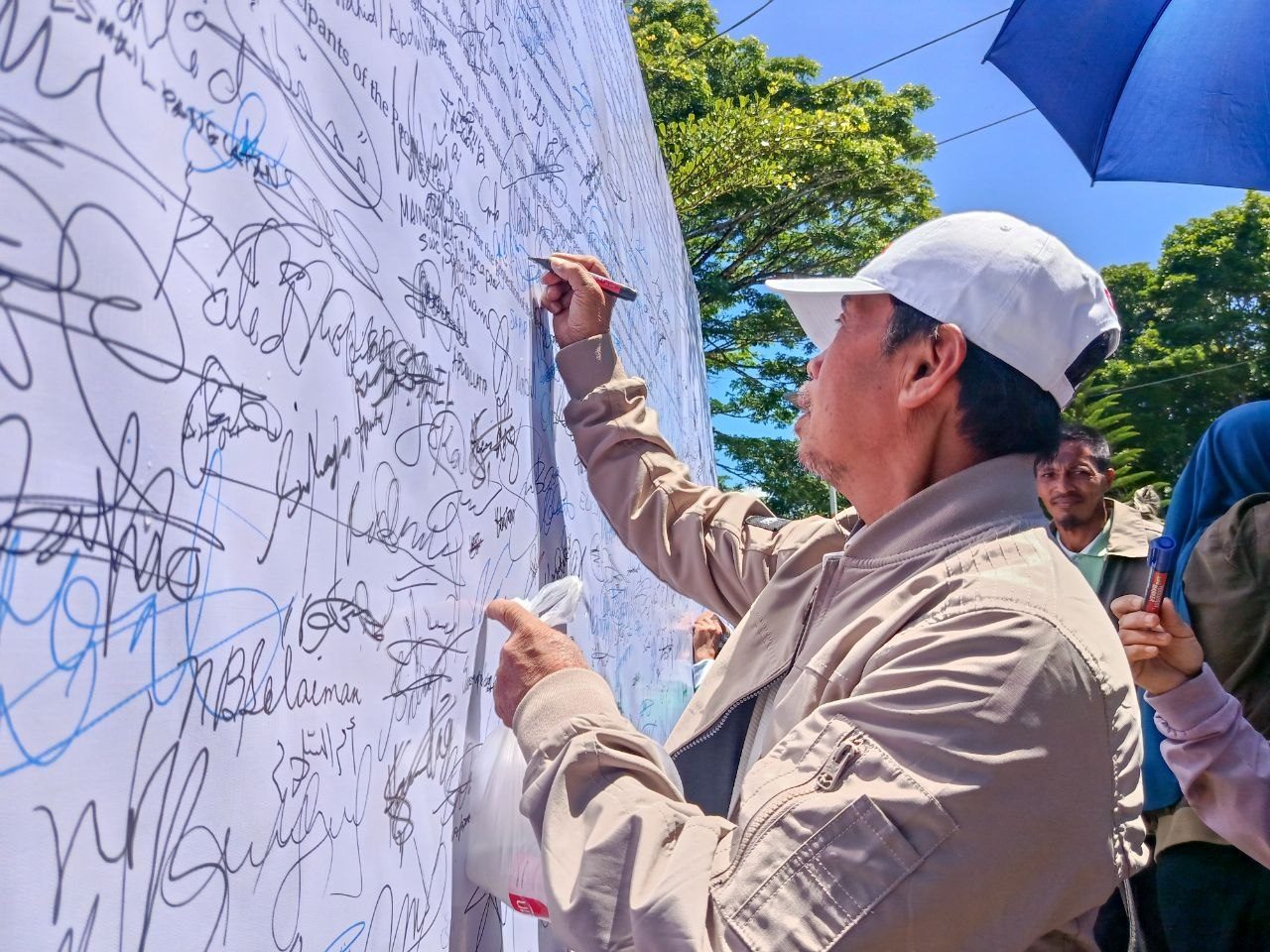
Years after the government and the Moro Islamic Liberation Front (MILF) began negotiating an end to one of the country’s longest-running insurgencies, tensions are mounting in the Bangsamoro over what supporters of the peace process describe as a steady erosion of the landmark 2014 peace accord that ended decades of armed conflict in Mindanao. With the Bangsamoro Autonomous Region in Muslim Mindanao (BARMM) preparing for its first parliamentary elections in September, political disputes over leadership, power-sharing, and the implementation of key provisions of the agreement are raising fears that hard-won gains could begin to unravel. The concerns extend beyond the electoral contest itself. Peace advocates, academics, and former rebel leaders say a series of government decisions over the past two years – including changes in the Bangsamoro leadership, delays in filling key peace process posts, and what they describe as deviations from the agreement’s political and normalization commitments – have weakened confidence in the Comprehensive Agreement on the Bangsamoro (CAB), the blueprint that paved the way for the region’s self-rule after decades of conflict. Anxieties spilled into public view last week, when thousands took to the streets in Lanao del Sur and Cotabato City, calling on President Ferdinand Marcos Jr.’s administration to fully implement the CAB and warning that continued departures from the accord could undermine the fragile peace forged after years of negotiations. Peace agreement Formal peace negotiations between the government and the MILF began in 1997 with the signing of the Agreement for General Cessation of Hostilities. The talks resumed in 2001 under Malaysian facilitation after being suspended during the government’s all-out war against the MILF in 2000. The Framework Agreement on the Bangsamoro (FAB) was signed in October 2012, followed by the CAB in March 2014. The agreement’s political and normalization tracks aim to address historical injustices and recognize the rights of the Bangsamoro people. In 2019, a plebiscite ratified the Bangsamoro Organic Law (BOL), creating BARMM and replacing the now-defunct Autonomous Region in Muslim Mindanao (ARMM) under the political track. The normalization track covers decommissioning MILF firearms, dismantling private armed groups, and transforming MILF camps. ‘Checklist for convenience’ “We challenge PBBM (President Bongbong Marcos) to stop treating the Comprehensive Agreement on the Bangsamoro as a checklist for convenience that you can pause, bypass, or neglect whenever your political will changes,” Ompongan Youth Organization president Mu-ahz Omar said during the rally in Lanao del Sur. Omar said the government has yet to appoint a chairperson for its peace implementing panel, prompting the MILF to suspend decommissioning until a counterpart panel is designated and commitments are fulfilled. The government panel was headed by a retired general, Cesar Yano, who eventually resigned early this year. On Tuesday, June 30, Presidential Peace Adviser Mel Senen Sarmiento said Marcos remains committed to the Bangsamoro peace process while the appointment of a new chair of the Government Peace Implementing Panel undergoes its third and final round of vetting. “Giyaman a siwa tano na long overdue. Dapat na sii ko paganay a violate iran so Comprehensive Agreement on the Bangsamoro, a da iran man oto appointa, so mga recommendations of MILF central committee,” said MSU history professor Tirmizy Abdullah. (These peace rallies are long overdue. We should have staged them earlier, when the government violated the agreement by rejecting the MILF Central Committee’s recommended appointments.) Abdullah cited the appointment of former Maguindanao del Norte governor Abdulraouf Macacua as BARMM interim chief minister, replacing MILF chairman Ahod “Al Haj Murad” Ebrahim in 2025. He said the leadership change was followed by the MILF losing its parliamentary majority after it submitted 41 nominees but only 35 were appointed by Marcos, leaving it short of the 41-seat threshold under the peace agreement. Must Read [Pastilan] The warning signs are flashing in the BARMM Implementation issues Since the 2022 election postponement, BARMM has faced political challenges, including the Supreme Court’s 2024 ruling excluding Sulu from the Muslim-majority region and redistricting controversies that contributed to another election delay until September 2026. “Since the beginning, there has been a deceptive attitude toward the Bangsamoro. Remember the 1637 Spanish-Moro agreement with Sultan Kudarat, the Kiram-Bates Treaty, the 1976 Tripoli Agreement, the 1996 Final Peace Agreement, and now the Comprehensive Agreement on the Bangsamoro,” Abdullah said in Meranaw. He said reappointing former chief minister Ebrahim would be one step toward addressing what he described as violations of the peace agreement, adding that the government should restore trust in the Bangsamoro peace process. He also cited the slow pace of camp transformation and continued calls to decommission MILF combatants despite the presence of private armed groups in the region. Critical phase Amid the leadership changes and political shifts, BARMM Member of Parliament Abdullah Macapaar, more known as “Commander Bravo,” called for unity among BARMM leaders and political families, saying the sacrifices of the Bangsamoro people should not be wasted. “I’m asking my older brother, Abdulraof Macacua, and his allies to come together and visit Chairman Ebrahim. Muslims are strong when united,” Macapaar said in Meranaw. Macapaar also committed to pursuing reforms and raising these concerns through legal means. However, he warned that the MILF remains prepared to return to armed struggle should the government fail to honor its commitments under the 2014 CAB. “The implementation of the CAB has now entered a critical phase,” Sarmiento said, noting that the BARMM elections will proceed as the Bangsamoro transitions to a fully functioning parliamentary government. Calls for full implementation of the CAB persist as unresolved provisions of the peace deal, questions over political autonomy, and the unfinished normalization process remain central to the transition. How these issues are addressed through legal remedies – or, in the worst case, through renewed armed conflict – will shape the future of the Bangsamoro’s quest for autonomy. – Rappler.com

多角的分析

経済的影響

長年の紛争終結と地域開発の促進を目指す和平合意の履行遅延は、BARMM地域への投資意欲を減退させる可能性があります。特に、インフラ整備や雇用創ちの遅れは、経済的停滞を招き、地域住民の生活水準向上を妨げる要因となり得ます。外国からの直接投資(FDI)も、治安と政治的安定性を重視するため、このような不確実性下では慎重な姿勢を取るでしょう。

投資家心理

投資家にとって、BARMMの政治的安定性は最も重要な要素です。和平合意の履行遅延や指導部を巡る混乱は、将来的な事業環境の不確実性を高めます。特に、インフラ開発や資源開発に関心のある投資家は、合意の完全履行と明確な政策遂行を強く求めます。現時点では、リスク回避のため、他のより安定した地域への投資を優先する可能性があります。

社会的影響

和平合意の履行遅延は、長年紛争に苦しんできたバンサモロの人々の間に不信感と失望感を生んでいます。特に、約束された正常化プロセス(MILF戦闘員の武装解除、キャンプの変革など)の遅れは、平和への希望を揺るがしかねません。また、指導部を巡る政治的対立は、地域社会の分断を深める可能性があり、若年層の海外就労や都市部への流出を加速させる懸念もあります。

市民の声

BARMM市民、特にMILF関係者やその支持者からは、政府が和平合意を「都合の良いチェックリスト」のように扱っているとの批判が出ています。和平プロセス担当者の任命遅延や、MILFの推薦する政治家が十分な議席を得られなかったことは、合意の精神が軽視されていると感じさせています。これにより、平和への努力が徒労に終わるのではないかという不安が広がっています。

背景・歴史的文脈

【歴史的根源と因果構造】フィリピン南部ミンダナオ島におけるイスラム教徒の自治要求は、スペイン植民地時代に遡る歴史的経緯があります。1970年代以降、モロ民族解放戦線(MNLF)やMILFといった武装勢力との間で長年にわたる紛争が続き、多くの犠牲者と経済的損失を生みました。2014年の包括的バングサモロ合意(CAB)は、これらの紛争を終結させ、ミンダナオに広範な自治権を付与する画期的なものでしたが、その履行は政治的、社会的な障壁に直面し、度々遅延や対立を引き起こしてきました。特に、和平プロセスにおける要職の任命遅延や、合意条項の解釈を巡る政府とMILF間の意見の相違が、現在の緊張の根源となっています。

原文ソース

Rappler Philippines

原文を読む