Cuc Phuong National Park Transforms Wildlife Conservation into New Tourism Model
Environment
2026年7月12日
4
VietnamPlus English

Cuc Phuong National Park Transforms Wildlife Conservation into New Tourism Model

AI サマリー

Cuc Phuong National Park in Vietnam is transforming its wildlife conservation and rehabilitation efforts into a new tourism model. The park is drawing attention for its early butterfly season and the protection and release of endangered species, aiming to balance biodiversity conservation with sustainable tourism.

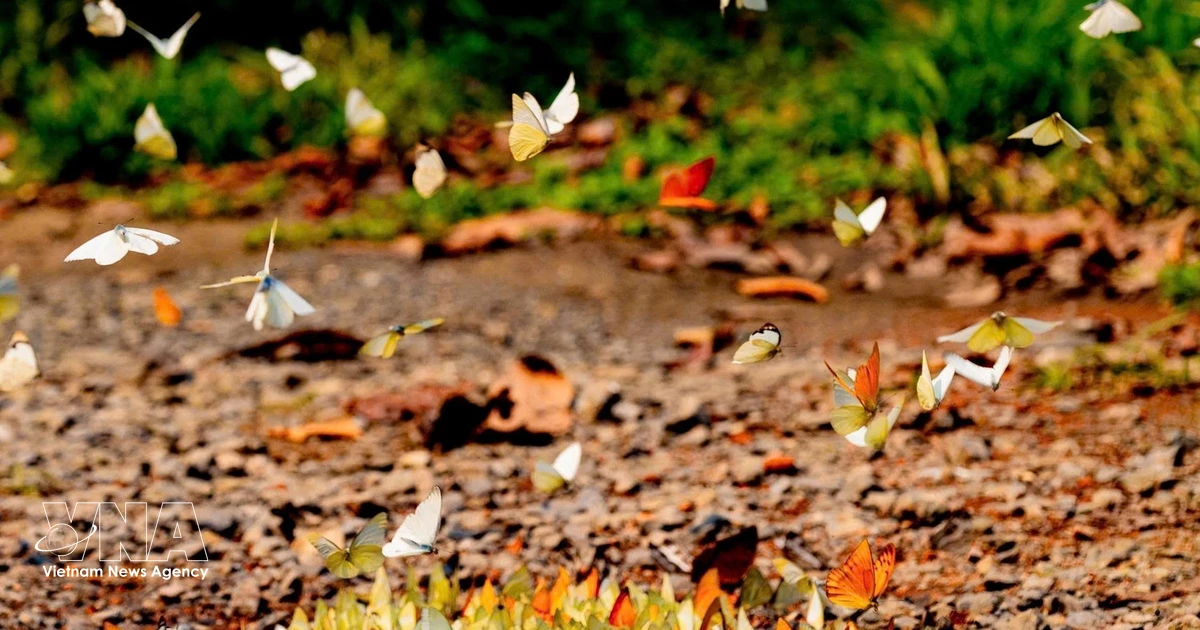
Cuc Phuong National Park is transforming its wildlife conservation and rehabilitation efforts into an innovative tourism model. The park is captivating visitors with the spectacle of clouds of butterflies, with this year's butterfly season arriving two to three weeks earlier than usual, offering a rare and memorable experience. Under the Cuc Phuong Rewilding Action Plan 2026–2035, with a vision to 2050, the initiative aims to transform the park into a natural gene bank capable of supplying wildlife populations to other protected areas nationwide. As part of these efforts, a small-clawed otter was handed over to the park and the Wildlife Rescue Centre in Dakrong commune, central Quang Tri province, for further care and rehabilitation. The growing populations of rhesus macaques and assamese macaques in Lung Cu, Sa Phin, and surrounding areas are seen as a positive sign for biodiversity. However, their increasing presence has also created challenges for local communities whose livelihoods depend on agriculture. Vietnam is advancing initiatives in line with international standards, such as the launch of a trading platform for forest carbon sequestration and storage services and compliance with the EU's Deforestation-free Products Regulation (EUDR), aiming to balance environmental protection with economic growth. These efforts represent crucial steps towards achieving Vietnam's sustainable development goals. The initiatives at Cuc Phuong National Park suggest that wildlife conservation can extend beyond environmental protection to become a driver for regional economic revitalization and a new tourism asset. This can be interpreted as part of Vietnam's efforts under its one-party system to coordinate environmental and economic development policies.

多角的分析

経済的影響

クックフオン国立公園の事例は、ベトナムが「グリーン経済」への移行を推進する中で、生態系サービスを経済的価値に結びつける新たなアプローチを示唆している。野生動物の保護・回復を観光資源として活用することで、公園運営の持続可能性を高め、地域経済への貢献を目指す。これは、ベトナムが国際社会からの環境規制(例:EUDR)に対応しつつ、経済成長を維持しようとする戦略の一環と見られる。森林炭素クレジットの取引など、具体的な収益化モデルの模索も進んでおり、環境保全が経済成長の阻害要因ではなく、新たな機会となりうることを証明しようとしている。

投資家心理

ベトナムの野生動物保護と観光を結びつけたモデルは、ESG(環境・社会・ガバナンス)投資に関心を持つ投資家にとって魅力的である可能性がある。特に、国際的な環境基準への対応(EUDRなど)や、再生可能エネルギーへの投資、森林炭素クレジット取引といった、持続可能性を重視する政策は、投資環境の改善に寄与する。クックフオン国立公園のような成功事例は、ベトナム国内の他の自然保護地域や、エコツアー関連企業への投資機会を示唆する。ただし、投資判断には、保護活動の長期的な有効性、地域社会との共存、そして規制の安定性などを慎重に評価する必要がある。

社会的影響

クックフオン国立公園での野生動物保護活動は、地域社会に新たな雇用機会(ガイド、宿泊施設、土産物販売など)をもたらす可能性がある一方、野生動物の増加が農業に影響を与えるという課題も浮き彫りにしている。例えば、ニホンザルやカニクイザルの個体数増加は、農作物の食害という形で地元住民の生計を脅かす。公園側と地域住民との間で、野生動物との共存策や、被害軽減のための協力体制構築が求められる。また、絶滅危惧種の保護・放獣活動は、市民の環境意識を高める教育的効果も期待できる。

市民の声

クックフオン国立公園での蝶の季節の到来は、多くのベトナム市民にとって、自然の美しさを体験し、日常の喧騒から離れる機会を提供する。特に、早めに訪れる蝶の群れは、予期せぬ自然の恵みとして、人々に感動を与えるだろう。一方で、野生動物の増加による農作物への被害は、地方の農家にとって深刻な問題となりうる。彼らは、政府や公園当局に対し、被害対策や補償を求める声も上がる可能性がある。また、環境保護活動への参加や支援は、市民の環境意識を高め、持続可能な社会の実現に向けた意識改革を促すだろう。

背景・歴史的文脈

ベトナムは、経済成長と環境保護のバランスを取るという課題に長年直面してきた。特に、急速な工業化と都市化は、生態系への負荷を増大させてきた。近年、ベトナム政府は、持続可能な開発目標(SDGs)へのコミットメントを強化し、森林保護、生物多様性の保全、そして気候変動対策に力を入れている。クックフオン国立公園の事例は、こうした国家的な環境政策の一環として、自然保護活動を経済的価値に結びつけ、観光資源として活用しようとする試みである。これは、ベトナムが国際社会からの環境規制(例:EUDR)に対応し、グリーン経済への移行を推進する上での、具体的な取り組みの一つと言える。

原文ソース

VietnamPlus English

原文を読む