Cambodia's Health Minister Urges Vigilance Against Dengue Fever Amid Rainy Season
Health
2026年7月8日
4
Kampuchea Thmey Local

Cambodia's Health Minister Urges Vigilance Against Dengue Fever Amid Rainy Season

AI サマリー

Cambodia's Minister of Health has urged vigilance against the rising trend of dengue fever with the onset of the rainy season. Citing the potential for increased mosquito breeding due to El Niño-induced temperature rises, the minister called for proactive measures from healthcare facilities and communities.

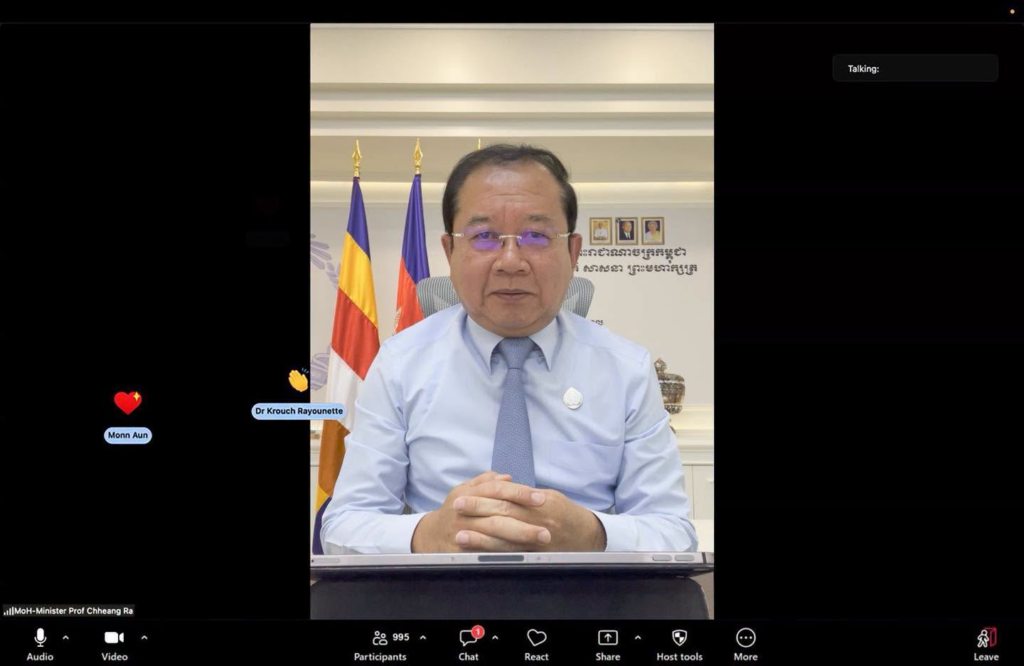
Professor Chheang Ra, the Minister of Health, has re-emphasized the need for healthcare facilities and communities to monitor and respond promptly to the rising trend of dengue fever during the rainy season. This reminder was made during the 122nd Leadership and Innovation Training Course on July 7, 2026, attended by approximately 3,100 healthcare officials from various levels under the Ministry of Health, via video conference (Zoom). Minister Chheang Ra highlighted that climate change, influenced by the El Niño phenomenon leading to increased temperatures, creates favorable conditions for the breeding of mosquitoes, particularly Aedes aegypti, which are vectors for dengue fever. Therefore, healthcare facilities must prioritize public health education to ensure effective and timely preventive and treatment services. Furthermore, healthcare facilities are instructed to collaborate with communities and local authorities to eliminate mosquito breeding sites within communities and to promptly refer suspected dengue fever cases to the nearest public health centers. Dengue fever tends to occur more frequently during the rainy season, a period abundant with rain and consequently, mosquito populations, especially those that transmit the disease. Without sufficient public awareness and caution, the risk of infection increases significantly. Dengue fever symptoms resemble those of the flu and are categorized from mild to severe, requiring close monitoring for one to ten days, as negligence can lead to life-threatening complications. Source: Kampuchea Thmey Local

多角的分析

経済的影響

デング熱の流行は、医療費の増加、労働生産性の低下、観光産業への影響といった経済的損失をもたらします。特に、感染が拡大すれば、医療システムへの負荷が増大し、公的支出の圧迫につながる可能性があります。また、予防策や衛生改善への投資は、長期的な経済的安定に寄与すると考えられます。

投資家心理

デング熱の流行は、短期的に観光客の減少や、医療・衛生関連サービスへの需要増といった影響が考えられます。しかし、カンボジア政府が公衆衛生への投資を強化し、感染症対策を効果的に行う姿勢を示せば、投資環境の安定化に繋がる可能性があります。特に、医療インフラや衛生関連企業への投資機会が生まれることも考えられます。

社会的影響

デング熱の流行は、特に子供や高齢者など、抵抗力の弱い人々にとって深刻な健康リスクとなります。蚊の発生源となる水たまりの管理は、家庭や地域社会の協力が不可欠であり、衛生教育の徹底が求められます。また、感染拡大は医療機関への負担を増大させ、医療サービスの質やアクセスに影響を与える可能性があります。

市民の声

雨季のデング熱流行は、市民の日常生活に直接的な不安をもたらします。特に子供を持つ家庭では、蚊よけ対策や子供の健康管理に一層の注意を払う必要が生じます。また、感染が拡大すれば、医療機関の混雑や、外出自粛といった影響も懸念されます。地域社会全体での清掃活動や衛生意識の向上が、市民の安全を守る上で重要となります。

背景・歴史的文脈

カンボジアでは、熱帯モンスーン気候の影響で雨季(5月~10月頃)に蚊が繁殖しやすく、デング熱の流行が繰り返されてきました。過去のデータによると、雨季の始まりとともに感染者数が増加する傾向があります。特に、2019年には過去最多の感染者数を記録し、公衆衛生上の大きな課題となりました。気候変動による異常気象、特にエルニーニョ現象に伴う気温上昇は、蚊の生息域を広げ、感染リスクをさらに高める要因として懸念されています。政府はこれまでも、啓発活動や蚊の駆除キャンペーンを実施してきましたが、根本的な対策としては、インフラ整備や国民一人ひとりの衛生意識の向上が不可欠とされています。

原文ソース

Kampuchea Thmey Local

原文を読む