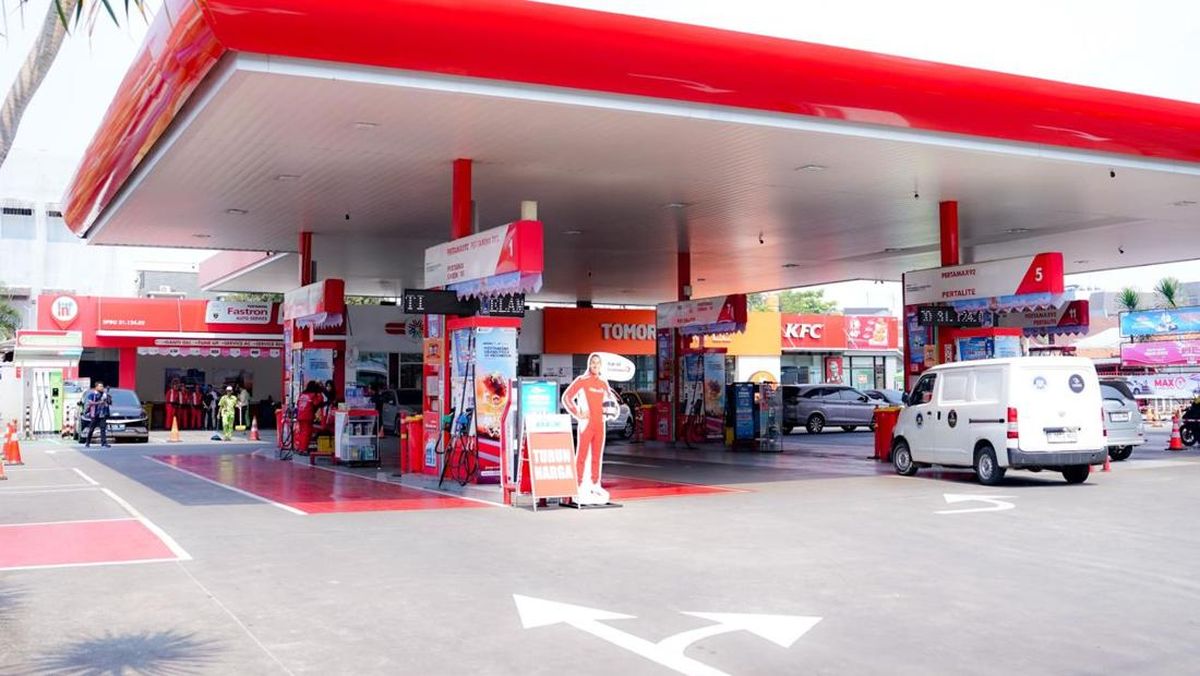
Indonesia Adjusts Fuel Prices Downward for Select Products in July
Indonesia's state-owned oil company Pertamina has reduced prices for some non-subsidized fuel products in July. This adjustment reflects periodic reviews based on global oil price dynamics, fiscal considerations, and public purchasing power. Subsidized fuels like Pertalite and diesel remain unchanged.
Indonesia's state-owned oil company Pertamina has adjusted fuel prices downward for several non-subsidized petroleum products starting in July. However, not all fuel types have seen price reductions, with the adjustments being selective. According to Pertamina Corporate Communication Vice President, Kitty Andhora, this price adjustment is part of a regular evaluation based on the prevailing market mechanisms. These mechanisms consider global oil price dynamics, fiscal aspects, and the public's purchasing power and economic conditions. "As we know, the adjustment of non-subsidized fuel prices refers to the dynamics of world oil market prices and follows applicable regulations or mechanisms. Of course, this adjustment step has been coordinated with the government," Andhora stated, as quoted from the official Pertamina Patra Niaga website. For instance, in Java, Pertamax Turbo has decreased from Rp 20,750 per liter to Rp 19,300 per liter. Pertamina Dex has seen a significant drop from Rp 24,800 per liter to Rp 21,150 per liter, a reduction of Rp 3,650 per liter. Dexlite, previously sold at Rp 23,000 per liter, is now priced at Rp 19,700 per liter, down by Rp 3,300 per liter. Andhora added, "In addition to offering competitive prices, we continue to ensure product quality according to specifications so that the public obtains optimal benefits, both in terms of vehicle performance and fuel efficiency." Meanwhile, other non-subsidized fuels such as Pertamax and Pertamax Green have maintained their prices since June 10, 2026. The prices for subsidized fuels, Pertalite and diesel, also remain unchanged. This move by Pertamina highlights the ongoing balancing act between market forces and the need to manage the economic impact on consumers, particularly in a nation where fuel costs are a significant factor in household budgets and inflation.
多角的分析
石油製品価格の調整は、インドネシア経済のインフレ率と国民の購買力に直接影響を与える。非補助金燃料の値下げは、消費者の可処分所得をわずかに増加させる可能性があるが、その影響は限定的だろう。補助金対象燃料の価格が据え置かれていることは、政府が低所得者層への経済的負担を依然として重視していることを示唆している。世界的な原油価格の変動に連動した価格設定は、市場の透明性を高める一方で、国内経済の安定性を国際市場の動向に左右されるリスクも内包している。
非補助金燃料の価格調整は、プルタミナの収益性に短期的な影響を与える可能性がある。しかし、価格設定が市場原理に基づいていることは、投資家にとって透明性の向上と予測可能性の増加を意味する。補助金対象燃料の価格維持は、政府による市場介入のリスクを低減させる要因となり得る。長期的には、プルタミナの効率的な運営と収益構造の改善が、投資家の関心を引く鍵となるだろう。
石油製品価格の変動は、インドネシア国民の日常生活に直接的な影響を与える。特に、非補助金燃料を利用する中間層以上の消費者は、今回の値下げによってガソリン代の負担が軽減される。しかし、補助金対象のペルタライトやディーゼル燃料の価格が据え置かれているため、多くの一般市民にとっては大きな変化はない。公共交通機関や物流コストへの影響は限定的だが、ガソリン価格の動向は、物価全体への波及効果が常に注視されている。
今回の石油製品価格の変更は、ジャカルタ市民の通勤や家計に少なからぬ影響を与えている。特に、自家用車で通勤する市民や、運送業を営む人々にとっては、ペルタマックス・ターボやデクライトの値下げは歓迎すべきニュースだ。しかし、補助金対象のペルタライトやディーゼル燃料の価格が変わらないため、多くの人々は日々の生活費に大きな変化を感じていないのが実情だ。公共交通機関の利用者からは、「価格が安定しているのは良いが、もっと全体的な物価が下がってほしい」といった声も聞かれる。
背景・歴史的文脈
インドネシアでは、石油製品、特にガソリンやディーゼル燃料は、国民生活に不可欠なインフラの一部と見なされている。そのため、政府は長年にわたり、補助金制度を通じてこれらの燃料価格を低位に抑えてきた。しかし、補助金による財政負担の増大や、市場原理との乖離が問題視されてきた。近年、インドネシア政府は、補助金対象燃料の段階的な縮小と、非補助金燃料への移行を推進している。これは、財政健全化とエネルギー市場の効率化を目指すものであり、国際的な原油価格の変動に応じて価格が調整されるメカニズムへの移行を意味する。今回の7月の価格調整は、こうした政策の流れの中で行われた定期的な見直しの一環である。
原文ソース
Detik