General articles are free for 24 hours after publish.
Vietnam Boosts High-Tech Agricultural Zones with Incentives
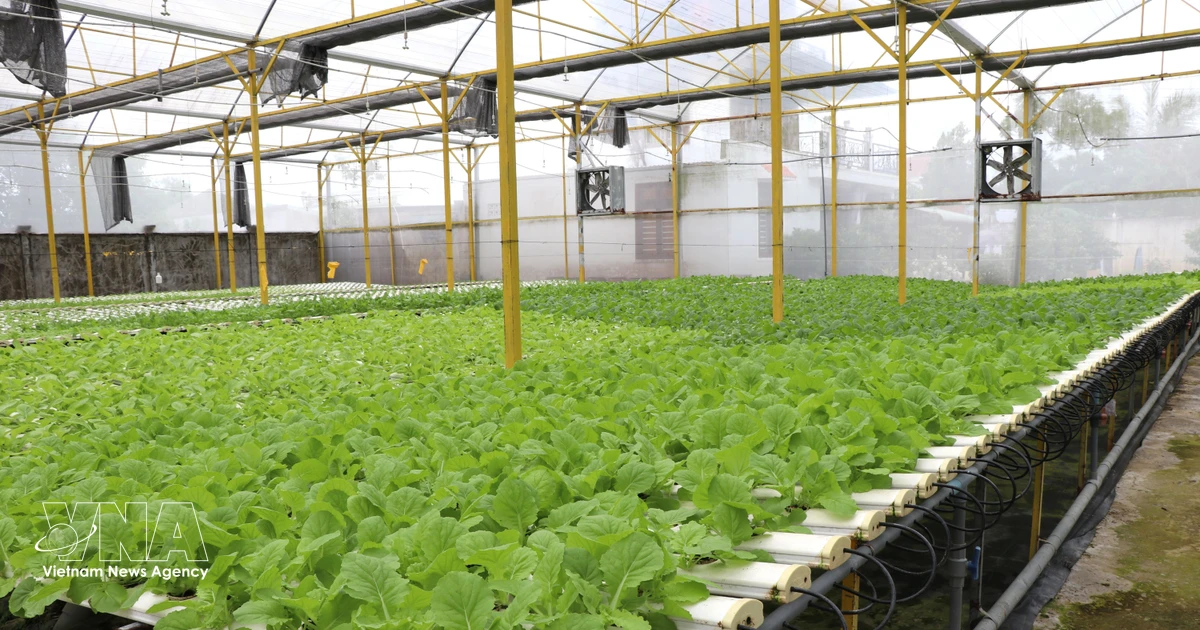
Vietnam is strengthening incentive policies for high-tech agricultural zones, promoting digitalization, sustainability, and adherence to international standards. This is part of its strategy to achieve export targets and sustain economic growth.
Vietnam is strengthening incentive policies for high-tech agricultural zones to enhance the international competitiveness of its domestic agriculture. This move is positioned as part of Vietnam's strategy to achieve its annual export target of US$48 billion and sustain its economic growth. Future growth can no longer rely on expanding production capacity alone; it requires greater productivity, higher value addition, stronger domestic sourcing, broader market diversification, and faster digital and green transformation. Israeli businesses and experts have introduced a wide range of technologies and solutions for sustainable agricultural development, including smart irrigation systems, greenhouse technologies, new crop varieties, microbial technologies, post-harvest solutions, aquaculture technologies, and digital transformation in agriculture. These technological adoptions aim to address longstanding challenges facing Vietnam's agricultural sector, such as lengthy certification procedures, limited product traceability, and difficulties in complying with increasingly stringent international standards. Digitalization is also advancing. Ministry of Finance data show that about 60% of companies have started using basic digital tech, while roughly 20% now have clear digital strategies. However, only 5% have achieved full-blown digital transformation. The government is implementing a program that focuses on identifying and assisting businesses with outstanding growth potential, rather than applying broad-based support policies. Attracting high-quality investment, particularly projects capable of driving innovation, technology transfer, workforce development, and wider economic spillover effects, will be prioritized for high-tech agricultural zones. South Korean (RoK) companies, beyond sourcing products, aim to build long-term partnerships with Vietnamese firms through product showcases, business-to-business (B2B) matchmaking, investment opportunities, and sustainable supply chain development. With geopolitical uncertainties expected to persist, Vietnam must strengthen exporters' capacity to meet international standards while optimizing logistics and distribution networks to safeguard its position in markets like the Middle East. Furthermore, Vietnamese businesses are accelerating the adoption of circular economy practices to improve competitiveness, reduce emissions, and meet increasingly stringent sustainability standards. Additionally, Decree 284/2026, effective from September 1, 2026, imposes penalties on domestic investors who trade crypto assets outside service providers licensed by the Ministry of Finance, marking a step towards regulating the digital asset market. These initiatives underscore Vietnam's transition from a mere production hub to a more value-added, sustainable, and technology-driven economy.
Original source
VietnamPlus English