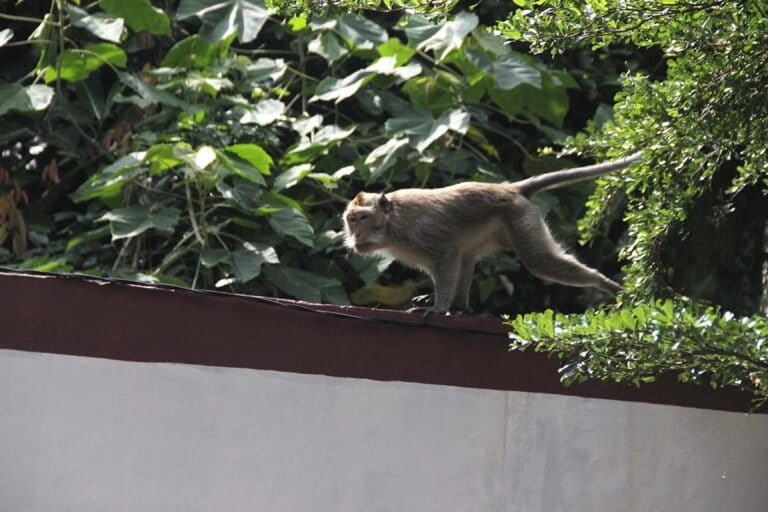
Coconut Husk Transforms Conflict: Simeulue Farmers and Long-Tailed Monkeys Find Coexistence
In Simeulue, Indonesia, a long-standing conflict between farmers and long-tailed monkeys damaging crops is finding resolution through transforming coconut husks into a new income source. Farmers are producing growing media and handicrafts from damaged coconuts, offsetting economic losses and fostering coexistence.
Farmers in Batu Ralang Village, Teupah Selatan District, Simeulue Regency, Aceh, once viewed long-tailed monkeys as enemies, destroying their primary source of livelihood: coconuts. However, their perspective is shifting. The conflict isn't gone, but a simple idea—transforming the coconuts damaged by Macaca fascicularis fusca into a new economic resource—is paving the way for coexistence. The monkeys' damage to coconuts could result in losses of up to IDR 4.1 million (approximately $270 USD) per month for farmers. Mitra Rofendi (31), a coconut farmer and manager of a newly established coconut husk handicraft production house since 2024, directly experiences the primates' disturbances. "Since we've been able to utilize coconut husks, the impact of these losses has begun to decrease," he stated. Rofendi, who is also the head of the SIMCO Farmers Group, acknowledged that before this new approach, some residents chose to clear their gardens to prevent monkeys from nesting in the bushes. Others, however, took more extreme measures. "Some would drive them away with violence, even though that's not good because they are also part of the ecosystem." Through training, the community now processes coconut husks into cocopeat for planting media, cocofiber for industrial needs, and cocobristle. They also create various handicrafts such as bags, flower pots, sandals, paintings, and calligraphy. "The women are making various creations...", Rofendi added. What was previously burned or discarded is now becoming a source of additional income for farmers, simultaneously opening up space for coexistence between residents and long-tailed monkeys, which often descend into residential areas.
多角的分析
ココナッツの殻という未利用資源の活用は、農家の経済的損失を補填するだけでなく、新たな収益源を創出する点で経済的価値が高い。ココピートやココファイバーは、農業や園芸分野での需要が見込まれる素材であり、特に持続可能な農業への関心が高まる中で、その市場価値は上昇する可能性がある。工芸品への展開は、地域独自の観光資源としても期待でき、付加価値を高めることで、農家の収入安定化に寄与すると考えられる。
この事例は、未利用資源のアップサイクルによる新たなビジネスモデルの可能性を示唆している。投資家にとっては、地域資源を活用したスモールビジネスや、持続可能な製品への投資機会となり得る。特に、環境意識の高い消費者層をターゲットにした製品開発は、ニッチ市場ながらも安定した成長が見込める。ただし、規模拡大には加工技術の標準化や販路開拓が課題となるだろう。
長尾ザルによる農作物被害は、シムルエ島だけでなく、インドネシア各地の農村部で共通して見られる問題である。この事例は、単なる駆除や排除ではなく、野生動物との共存を目指す創造的な解決策を示している。住民、特に女性たちが加工技術を習得し、収入を得ることで、地域社会のエンパワメントにも繋がる。サルへの暴力的な対応が減少し、生態系の一部としての理解が進むことは、地域住民と野生動物双方の福祉向上に寄与する。
シムルエ島の農家にとって、長尾ザルによる被害は生活に直結する深刻な問題でした。ココナッツの収穫量が減るだけでなく、その品質も損なわれるため、収入が不安定になっていました。しかし、ココナッツの殻を加工して収入を得られるようになったことで、被害による経済的負担が軽減されています。また、サルを一方的に悪者にするのではなく、共存の道を探る姿勢は、地域住民の野生動物に対する意識の変化も示しています。これは、日々の生活の安心感と、地域社会の持続可能性の両方に貢献する取り組みと言えます。
背景・歴史的文脈
インドネシアでは、農村部における野生動物と人間の間の紛争は、古くから存在する問題である。特に、食料源として農作物を狙うサル類は、各地で農家にとって深刻な経済的損害をもたらしてきた。過去には、サルを駆除するための補助金制度などが実施された地域もあるが、生態系への影響や倫理的な観点から、持続可能な解決策とはなり得なかった。シムルエ島における今回の取り組みは、こうした従来の対立構造に対し、資源の有効活用と共存という、より建設的なアプローチを提示している。2024年からの家内生産開始という具体的な動きは、この新しい解決策が地域住民によって実践され始めていることを示している。
原文ソース
Mongabay Indonesia