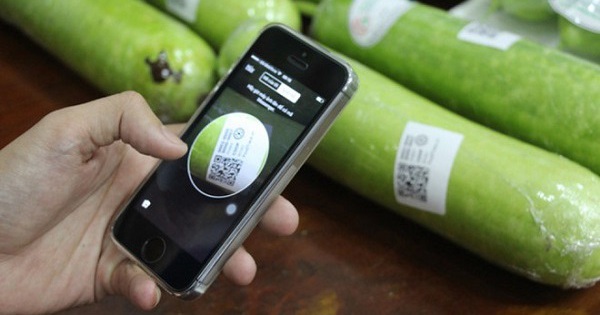
Vietnam Launches National Traceability System to Enhance Farm Produce Transparency
Vietnam has launched a national traceability system for key agricultural products like rice, meat, eggs, milk, and pineapples. This initiative, aligned with a Politburo resolution on science, technology, and digital transformation, aims to boost the quality, transparency, and global competitiveness of Vietnamese farm produce, especially for exports to China, the EU, and the US.
The Socialist Republic of Vietnam has launched a national traceability system to enhance the transparency of its key agricultural products, effective from July 1. The system covers essential commodities such as rice, meat, eggs, milk, pineapples, passion fruit, and tea. This launch marks a significant step in implementing Politburo Resolution No. 57, which aims for breakthroughs in science, technology, innovation, and national digital transformation. The platform is expected to bolster the quality, transparency, and global competitiveness of Vietnamese agricultural products. Speaking at the launch event on June 30, Deputy Prime Minister Ho Quoc Dung stated that product traceability is no longer an option but a global requirement. As consumers and importing countries increasingly demand greater transparency, food safety, and supply chain accountability, Vietnam must strengthen its traceability system to build trusted agricultural brands and expand access to high-value markets. Mr. Dung urged prioritizing major agricultural products with high production and export value, particularly those destined for key markets like China, the European Union, and the United States. The system will be progressively extended to other products requiring stricter quality and food safety management. The platform integrates electronic digital signatures, blockchain technology, GS1 international product identification standards, and GS1 Digital Link QR codes to ensure secure, transparent, and reliable data sharing. It possesses the capacity to process approximately 1,000 search requests per second, support 30,000 simultaneous QR code scans, and handle over 85 million traceability scans daily. To date, the system has integrated traceability data for more than 18,500 products across 181 categories, contributed by 170 businesses from 24 of Vietnam's 34 provinces and centrally governed cities. According to the Vietnam Fruit and Vegetable Association, export turnover for the sector in 2025 is projected to reach about US$8.59 billion, an increase of nearly 20 percent compared to 2024. However, alongside opportunities, the sector faces new technical barriers, including stricter requirements on production unit codes, traceability, residue control, and food safety. Furthermore, a pilot program scheduled from January 1 to June 30, 2026, aims to build a traceability database by connecting and integrating sector-specific data, with participating enterprises' data digitally signed in accordance with regulations. In its initial phase, five enterprises across the production and supply chain will be mobilized for testing, alongside the issuance and attachment of electronic authentication labels to eligible durian consignments.
多角的分析
ベトナム政府によるトレーサビリティシステムの導入は、農産物の輸出競争力強化と高付加価値市場へのアクセス拡大を狙った経済戦略の一環である。特に、中国、EU、米国といった主要市場は、食品安全やサプライチェーンの透明性に対する要求が厳しく、これらの市場へのアクセス維持・拡大には、国際標準に準拠したトレーサビリティシステムの構築が不可欠である。ブロックチェーンやGS1規格の採用は、データの信頼性を高め、国際的な要求に応えるための技術的基盤を強化するものと言える。これは、ベトナムが単なる一次産品輸出国から、品質と信頼性を備えたブランド輸出国へと移行しようとする意欲の表れである。
このトレーサビリティシステムの導入は、ベトナムの農業セクターへの投資環境において、透明性と信頼性の向上という点でポジティブなシグナルとなる。特に、輸出志向の強い企業や、品質管理に厳格な国際市場をターゲットとする企業にとっては、投資リスクの低減につながる可能性がある。ブロックチェーン技術の導入は、サプライチェーン全体の可視性を高め、不正行為や品質問題発生時の原因究明を容易にするため、投資家がより安心して投資できる環境を整備する。ただし、システムへの適応や、それに伴うコスト増が、中小規模の生産者にとって負担となる可能性も考慮する必要がある。
国家トレーサビリティシステムの導入は、消費者の食品安全に対する懸念に応えるものであり、国民の健康と食の安全を守る上で重要な意味を持つ。米、肉、卵といった日常的な食品のトレーサビリティが確保されることで、消費者は購入する食品の生産履歴を追跡できるようになり、安心感が増す。これにより、食品偽装や不適切な生産方法による健康被害のリスクが低減されることが期待される。しかし、システムへのアクセスや理解が、特に地方や高齢者層で課題となる可能性があり、国民全体が恩恵を受けられるような、分かりやすい情報提供やサポート体制の整備が求められる。
このトレーサビリティシステムの導入は、ベトナム市民、特に都市部で健康志向の高い層にとって、食の安全に対する信頼感を高める一歩となるだろう。これまで、農産物の生産背景が見えにくかった状況から、QRコードなどを通じて生産者や生産地、使用された農薬などの情報を確認できるようになることは、食品選択の際の安心材料となる。しかし、地方の小規模農家や、デジタルリテラシーが低い層にとっては、システムへの対応や情報へのアクセスが負担となる可能性もある。農産物の品質向上や輸出拡大による経済効果が、最終的に市民の生活水準向上にどう繋がるかも注視すべき点である。
背景・歴史的文脈
ベトナムは、経済発展の柱として農業を重視しており、特に米、コーヒー、果物などの輸出は重要な外貨獲得源である。しかし、近年、国際市場では食品安全やトレーサビリティに対する要求が厳格化しており、ベトナム産農産物はこれらの基準を満たすことが課題となっていた。2023年には、ベトナム共産党中央委員会が「科学技術、イノベーション、国家デジタル変革におけるブレークスルー」に関する決議(第57号)を採択し、デジタル化推進を国家戦略の重点分野と位置づけた。このトレーサビリティシステムの導入は、この決議の具体的な実行策の一つであり、ベトナムが国際的なサプライチェーンにおける信頼性を高め、輸出競争力を強化するための長期的な取り組みの一環である。
原文ソース
Bao Chinh Phu