General articles are free for 24 hours after publish.
San Roque Dam Stops Spillway Discharge in Pangasinan
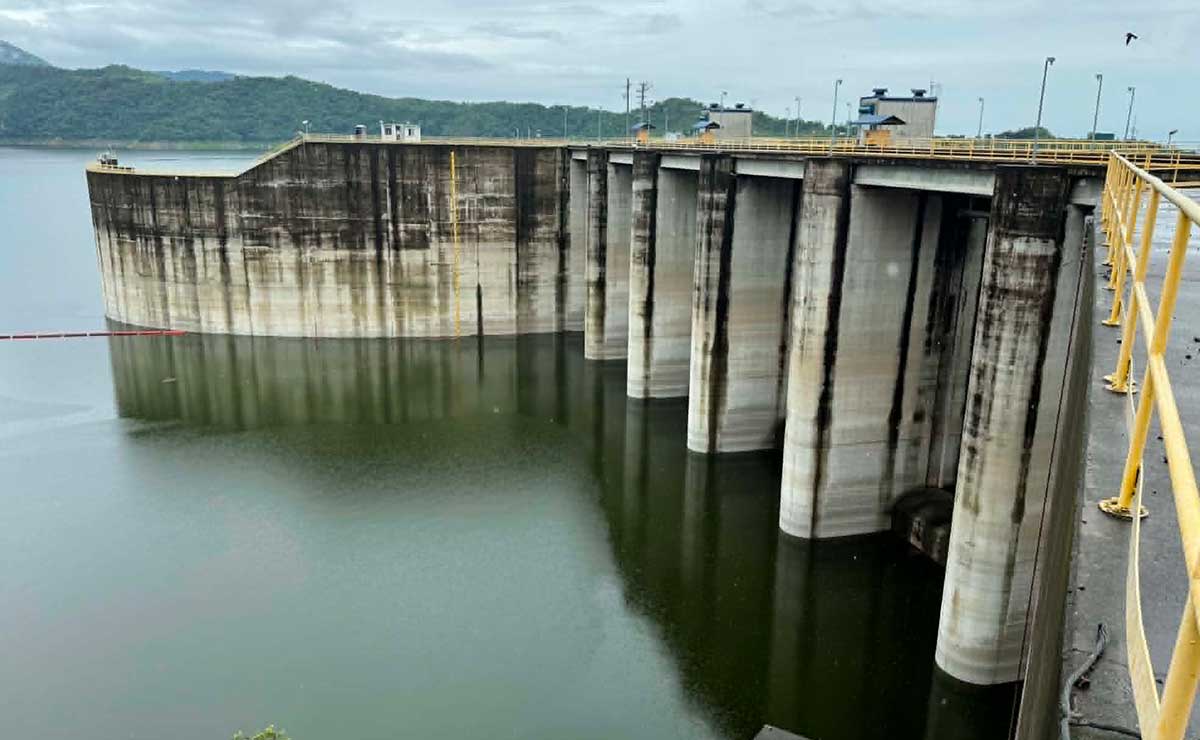
The San Roque Dam in Pangasinan, Philippines, has ceased its water discharge operations after a temporary increase due to heavy rainfall. The dam's water level is now within safe limits, and future rainfall and its impact on the region are being closely monitored.
The San Roque Multipurpose Dam in San Manuel, Pangasinan, closed its two spillway gates at 7:30 p.m. on Tuesday (Sept. 8), ending its water discharge, the National Power Corp. (Napocor) said. Gates 2A and 2B were closed at one meter and 1.5 meters, respectively. The dam's water elevation was 277.14 meters above sea level (masl) at that time. The San Roque Power Corp. (SRPC), which operates the dam, initially opened the two spillway gates by one meter each on Sept. 2, when the water level was 283.68 masl. Continued rain and inflow from the Binga Dam pushed the water level to 285.13 masl on Sept. 5. The SRPC opened an additional 0.5 meter on Sept. 6 and increased the total gate opening to three meters at 6 p.m. on Tuesday, an hour before the gates were closed. The dam's mandatory spilling level is 280 masl. The cessation of discharge indicates that the dam's water level has returned to a safe range. However, the Philippines experiences high rainfall annually, with risks of rapid river level increases during the rainy season due to typhoons and monsoons. The San Roque Dam plays a crucial role in mitigating flood risks for surrounding areas, particularly low-lying regions in Pangasinan. While this discharge stoppage suggests proper operational management, continuous monitoring of weather conditions and ongoing vigilance for the safety of local residents are essential. Infrastructure in the Philippines, especially dams and flood control facilities, constantly requires maintenance and strengthening, considering the country's geographical conditions and the impacts of climate change. The operational status of key infrastructure like the San Roque Dam directly affects local economies and residents' lives, making its developments a subject of attention.
Original source
Inquirer NewsInfo