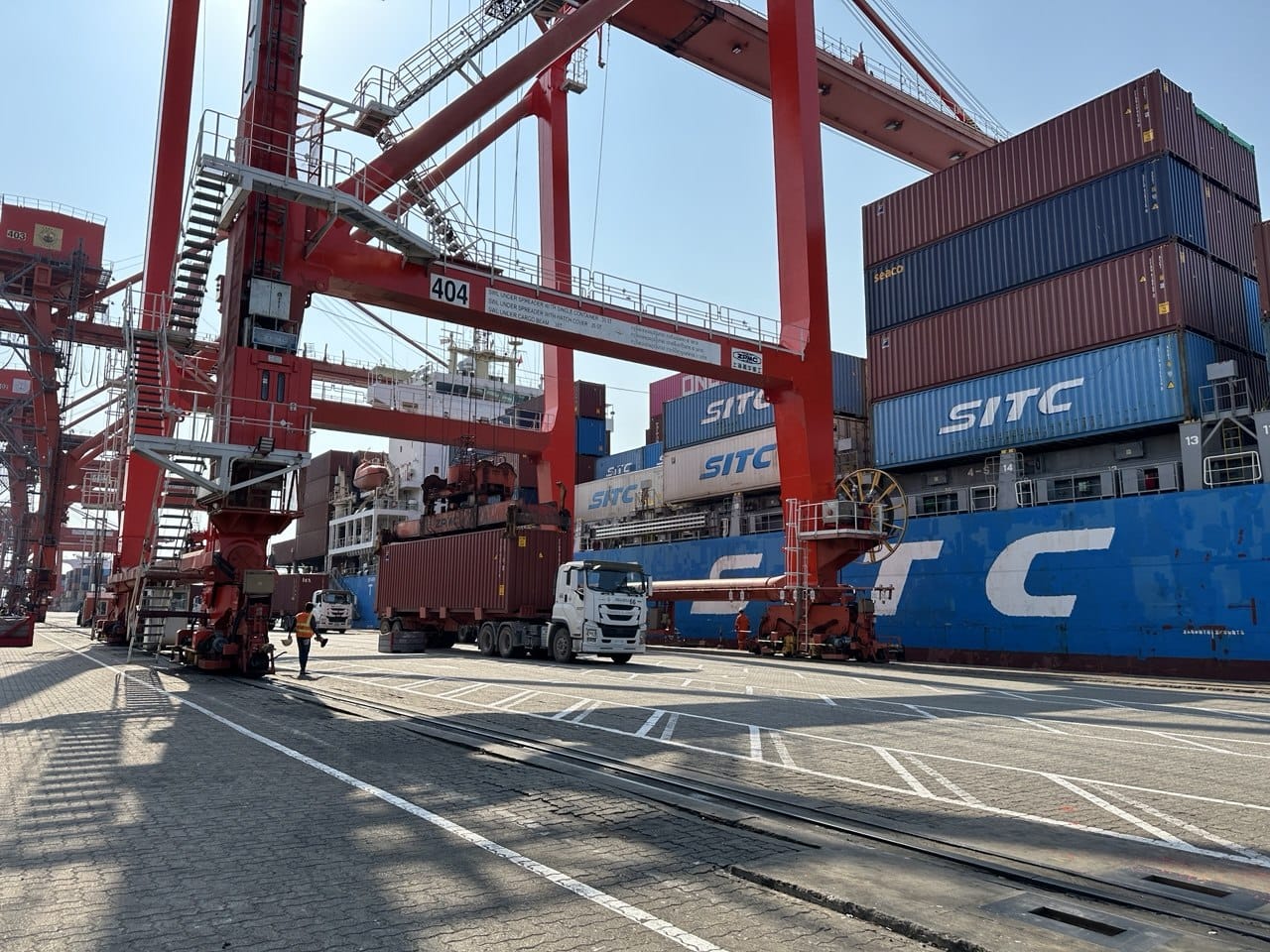
Cambodia's Trade Surges 20% in First Half, Deficit Widens
Cambodia's international trade in the first half of 2026 saw a 20.5% year-on-year increase, reaching nearly $37 billion. While both exports and imports grew, the trade deficit also widened to approximately $2.7 billion, attributed to government economic strengthening policies and investment environment improvements.
Cambodia's international trade demonstrated robust performance in the first half of 2026, with total trade reaching nearly $37 billion, a significant increase of 20.5% compared to the same period in 2025. However, the trade deficit also widened. According to a report from the General Department of Customs and Excise (GDCE) on July 10, exports from January to June amounted to $17.08 billion, up 19.5% from $14.29 billion in the corresponding period last year. Imports totaled $19.77 billion, marking a 21.4% rise from $16.28 billion a year prior. This surge brought the total international trade volume to $36.85 billion in the first six months of 2026, up from $30.57 billion in the first half of 2025. Cambodia's top 10 trading partners during this period included China, the US, Vietnam, Japan, Thailand, Singapore, Malaysia, Indonesia, Canada, and Spain. The trade deficit for the first half of 2026 stood at approximately $2.69 billion, an increase from the $1.98 billion deficit recorded in the first half of 2025. Lim Heng, vice-president of the Cambodia Chamber of Commerce (CCC), commented that Cambodia, as a developing nation, is making substantial efforts to strengthen its economy and accelerate growth. He attributed the positive economic outcomes to the government's introduction of new policies, investments in supporting infrastructure, and the private sector's initiatives to attract domestic and foreign investors. Heng further explained that a considerable portion of the increased imports comprised semi-finished products and raw materials essential for manufacturing goods within Cambodia for subsequent export. "The growth in international trade reflects confidence in new investments and Cambodia's export performance in global markets. Export and import values are expected to continue rising, provided there are no major disruptions to the global political and economic environment," he stated. He also highlighted that improvements to Cambodia's investment legal framework, preferential tariff schemes from major trading partners, and the ongoing implementation of bilateral and multilateral free trade agreements will be instrumental in attracting more large international companies to invest in the Kingdom.
多角的分析
カンボジア経済は、輸出入の増加という点で好調を示していますが、貿易赤字の拡大は、国内産業の育成と輸出競争力の強化という課題を浮き彫りにしています。輸入の増加が製造業向けの原材料や半製品であることは、国内での付加価値創出の可能性を示唆する一方、最終製品の多くが依然として海外市場に依存していることを意味します。これは、カンボジアがグローバルサプライチェーンにおいて、より上流の生産段階へと移行していくための構造的な課題を示唆しています。
貿易額の増加と主要貿易相手国との関係強化は、カンボジアへの投資意欲を高める要因となり得ます。特に、製造業向けの原材料輸入増加は、国内での生産活動の活発化を示唆しており、これらが最終製品として輸出されることで、投資家はカンボジアをグローバルな製造拠点としてさらに魅力的に感じる可能性があります。しかし、貿易赤字の拡大は、国内産業の脆弱性や、輸入品への依存度を示す可能性もあり、投資家はこれらのリスク要因も考慮する必要があります。
貿易額の増加は、雇用機会の創出や経済活動の活発化を通じて、カンボジア国民の生活水準向上に貢献する可能性があります。特に、製造業の成長は、地方からの労働力流入を促し、都市部への人口集中やそれに伴う社会インフラへの負荷増大といった影響も考えられます。また、貿易赤字の拡大は、輸入品価格の上昇を通じて、国内消費者の購買力に影響を与える可能性も否定できません。
貿易額の増加は、カンボジア国民にとって、より多様な商品へのアクセスや、雇用機会の増加といった恩恵をもたらす可能性があります。しかし、輸入依存度の高さや、貿易赤字の拡大は、国内産業の競争力低下を招き、長期的には物価上昇や雇用不安につながる懸念も存在します。国民は、経済成長の恩恵を実感できる一方で、経済構造の課題にも目を向ける必要があります。
背景・歴史的文脈
カンボジア経済は、長年にわたり、衣料品などの労働集約型産業を中心に、輸出主導型成長を遂げてきました。特に、中国やASEAN諸国との自由貿易協定(FTA)の締結、そして2022年に発効した地域的な包括的経済連携(RCEP)は、貿易拡大の追い風となっています。しかし、輸入依存度が高く、特に完成品の多くを輸入に頼っているため、貿易赤字は慢性的な課題となっています。政府は、インフラ整備や投資環境改善を通じて、製造業の高度化や多様化を目指していますが、その成果が貿易収支に本格的に反映されるには時間を要すると考えられます。
原文ソース
Phnom Penh Post