Cambodia Ministry Denies Human Trafficking, Fraud Allegations in Case of Singaporean Woman
Politics
2026年8月3日
6
CEN Cambodia
Relations
🇰🇭Cambodia🇨🇳China🇸🇬Singapore

General articles are free for 24 hours after publish.

Cambodia Ministry Denies Human Trafficking, Fraud Allegations in Case of Singaporean Woman

Share
AI Summary

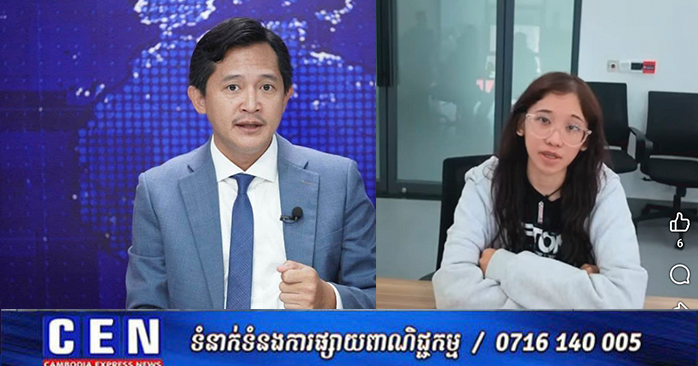
Cambodia's Ministry of Information has strongly refuted international media reports alleging human trafficking and fraud in the case of Singaporean national Siti Aishah Siregar. The ministry clarified that the woman voluntarily visited Cambodia to address personal psychological and familial pressures, questioning the reporting methods of some outlets.

The Ministry of Information of Cambodia has strongly refuted reports by some international media outlets concerning Singaporean national Siti Aishah Siregar, categorically denying any connection to human trafficking or fraud. In a statement released on August 3rd, Tep Asnarith, Undersecretary of State and Spokesperson for the Ministry of Information, asserted that based on the official and diligent investigation by Cambodian authorities, the claims of Ms. Siregar being a victim of human trafficking or fraud, as reported by international media such as Channel NewsAsia (CNA), are untrue. According to the ministry, Ms. Siregar voluntarily traveled to Cambodia to address personal psychological crises and familial pressures. She herself affirmed in a video message that since her arrival in Cambodia, she has not been coerced, lured, or had her safety compromised by anyone. Spokesperson Tep Asnarith criticized the initial reporting by Channel NewsAsia (CNA), stating that it was rushed and relied solely on one-sided claims and appeals from family members on social media. He argued that linking these to negative perceptions of human trafficking and fraud before obtaining official investigation results from Cambodian authorities has caused serious misconceptions among the international public. This, he added, has damaged Cambodia's reputation and undermined its efforts to combat the global crime of fraud. Based on the principles of journalistic responsibility, the spokesperson proposed four key lessons for domestic and international media: 1. Respect Truth and Thorough Verification: While speed and timely reporting are important, they must not come at the expense of verifying information, facts, and consulting with relevant parties. Rushing to publish based on speculation, hasty conclusions, or unbalanced social media statements constitutes a severe violation of fundamental journalistic principles. 2. Maintain Information Balance: When reporting on cross-border crimes or security issues, media organizations have an obligation to seek clarification, official statements, or confirmations from the competent authorities of the involved countries. In this case, obtaining information from Cambodian authorities was essential, and reliance solely on suspicious sources or unverified information from one side should be avoided. 3. High Professional Responsibility: Even if CNA has updated its articles following Cambodia's clarification, the international news agency should issue a public correction with the same prominence as the initial accusatory report. This is necessary to clear public doubts, provide justice, and restore Cambodia's affected reputation. 4. Promote Protection of Privacy: This case is purely a personal and family matter, and it should not be exploited by media outlets, especially international ones like CNA, for reporting without a solid basis. Doing so negatively impacts the rights and psychological safety of the individual and her family. Fabricating negative narratives without clear evidence that harms national reputation and honor is unacceptable and requires CNA to issue a written acknowledgment of its mistake. Violations of core professional principles cannot be erased by discreet article updates. The spokesperson urged all media institutions to uphold their professional responsibilities, promote ethical reporting, and prioritize truth and journalistic ethics, while also respecting the information sovereignty of other nations. Source: CEN Cambodia

0

Original source

CEN Cambodia

原文を読む