General articles are free for 24 hours after publish.
Closing a Thai Bank Account: Essential Steps Before Leaving the Country
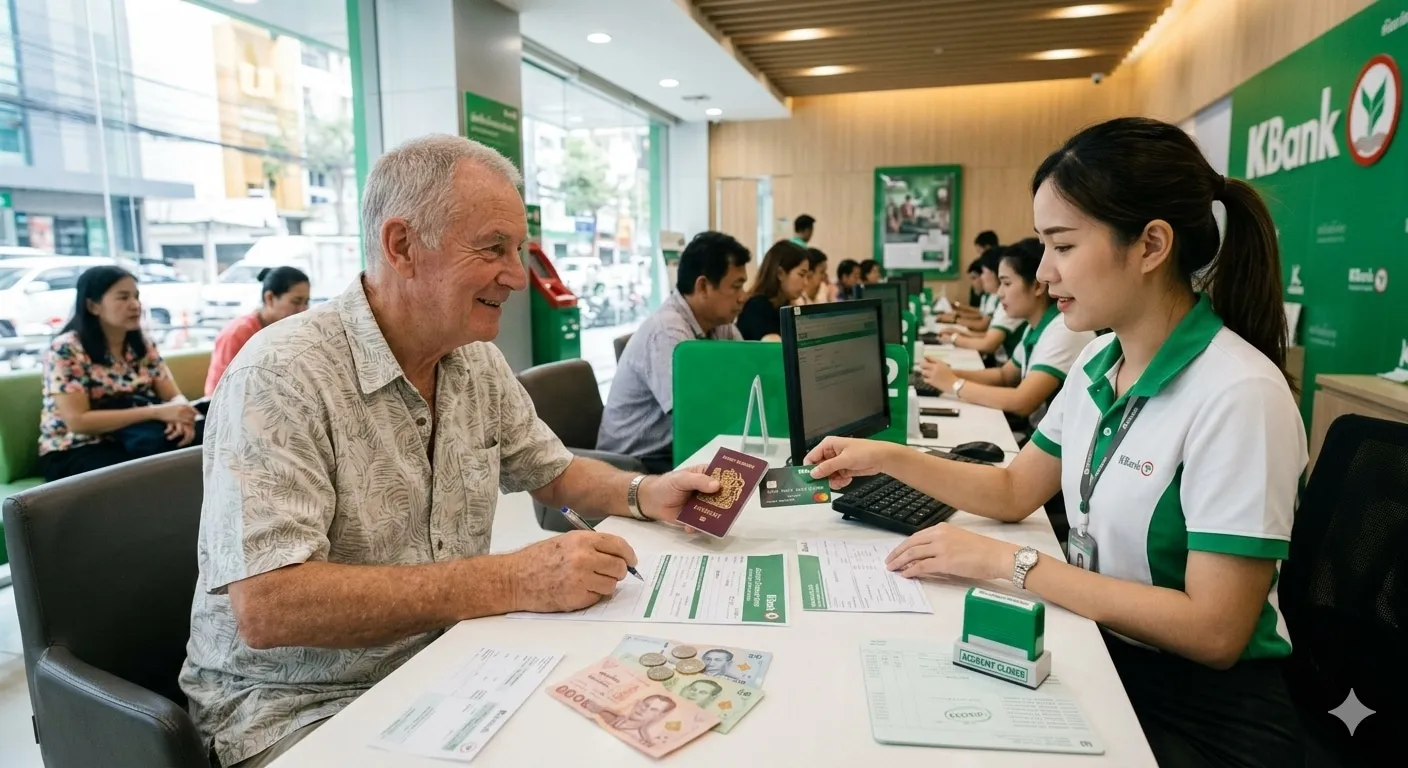
Foreigners in Thailand are advised to close their bank accounts before departing the country, as online closure is often not possible, typically requiring an in-person visit to a branch. Failure to do so can lead to issues like frozen accounts and unpaid fees.
Last Updated on September 15, 2026 by Jeff Tomas Many foreign account holders assume they can close a Thai bank account online after leaving Thailand. That may not be possible: Bangkok Bank’s published expat guidance says account holders must visit a branch in person, while other banks may follow different procedures. Leaving the account dormant can also create problems, including access issues, outdated visa or address records, unpaid fees, and blocked transfers. Closing the account before departure gives you time to confirm the bank’s current requirements, move or withdraw the remaining balance, return any required cards or passbooks, and save statements or other records. You should also check how closing the account affects mobile banking, your Thai phone number, visa documentation, and any tax questions, particularly if you were a Thai tax resident or received foreign income. Review the latest Thai bank account requirements for expats before visiting, then confirm the exact documents and process with your own bank branch because rules can change. The next step is to prepare for the branch visit. Before deciding what to do, check whether you still need the account and whether the bank will let you manage it from overseas. Closing it before departure is usually simpler, but keeping it open can help with future payments. Closing the account makes sense if you have no regular reason to use it again. It removes the risk of forgotten service charges, failed transactions, and account records becoming outdated after you leave Thailand. It also gives you a chance to transfer the balance, collect final statements, and confirm that the account is fully closed. Keeping it open may be practical if you expect a refund, pension payment, rent deposit, property expense, or another transfer in Thailand. Frequent visitors may also prefer to keep an account for future trips. Before choosing that option, ask the bank whether it can change your status to non-resident, update your overseas address, and maintain the account without regular fees. An unused account can become harder to manage over time. Your passport, visa, address, or tax information may expire, while a low balance may not cover ongoing charges. The bank could restrict transactions or request updated KYC documents. Proving your identity from overseas may also take more time than expected. Keeping an account open for convenience can create problems later if your contact details, passport, or immigration records are no longer current. Account closure is separate from canceling a visa, reporting your departure, or settling tax matters. You may need to address each obligation separately. For practical preparation, review these Thai bank branch tips for foreign customers before you travel to the branch. Bangkok Bank’s current guidance says a foreign customer must close the account in person in Thailand. It also states that a passbook is required for closure. Read the bank’s official foreign-customer FAQs before making plans, since the bank may ask for additional identification or account documents. Accessing funds is different from legally closing the account. Bangkok Bank says customers outside Thailand may still access money through electronic banking or authorize another person to handle certain fund-access actions. That permission does not automatically allow the representative to close the account. A power of attorney may help with some banking tasks, but don’t assume it covers closure. Ask the bank for written confirmation of what the authorization permits, which documents the representative needs, and whether the account owner must still appear personally. Policies at KASIKORNBANK, SCB, Krungsri, and other banks may differ, so contact the exact branch before arranging travel. The branch where you opened the account is often the safest place to start, although not every bank requires closure there. A smooth closure starts before you reach the teller. Contact your bank and ask for its current requirements, then prepare the documents and account details the branch may need to verify. Bring the following items: Banks may request extra documents when your passport, visa, address, or identity information is outdated. Requirements can also vary by bank, account type, and branch. Reviewing Thai banking costs and account charges can help you identify possible closure, transfer, or maintenance fees before you move the balance. Download statements and save important payment records before closing. Keep a secure backup of your account number, transaction history, beneficiary details, and any documents connected with tax filings, rent deposits, salary payments, or immigration applications. Ask the bank how you can remove the remaining money. Depending on its policy, you may be able to withdraw cash, transfer funds to another Thai account, send an international transfer, or receive an approved payment into an account in your own name. Some banks only transfer the final balance to another account with the same account holder’s name. Before choosing an option, confirm the daily transfer or cash withdrawal limit, exchange rate, SWIFT charge, intermediary bank fees, and the exact amount needed to cover final charges. The bank may deduct an early-closure fee, transfer fee, passbook fee, or another administrative charge. Don’t transfer every baht first. Ask whether the account needs a small remaining balance to pay those charges. A frozen or restricted account may require an in-person identity and KYC review before the bank releases or transfers the funds. Allow extra time if your records are outdated or the account has been inactive. Stop direct debits and recurring payments several weeks before closure. Review subscriptions, rent, utilities, insurance, loan payments, government benefits, employer deposits, and expected refunds. Wait until final salary payments and refunds have cleared, or arrange another payment method first. Ask the bank to cancel debit cards, ATM cards, credit cards, mobile banking, online banking access, tokens, standing instructions, and linked automatic payments. Destroying a card doesn’t cancel the card or close the account. Request written confirmation, then keep the final statement and closure receipt with your other records. Plan the branch visit as a formal account review, not a quick cash withdrawal. Call the branch first and ask whether a foreign customer must return to the opening branch, whether staff can assist in English, and which documents you must bring. Ask for confirmation by email or message when possible, because branch practices can differ. Arrive early with your original passport, visa information, passbook, bank cards, account details, and proof of address. Leave enough time for identity checks, balance calculations, and any KYC questions. If the bank finds an unresolved issue, it may not complete the closure that day. Bangkok Bank’s official guidance says foreign customer
Original source
Chiang Rai Times