Thai Opposition Raises Concerns Over Soaring AI Budget, Vows Strict Scrutiny of FY2027 Budget Bill
Thailand's opposition People's Party has voiced concerns over a nearly 30% budget increase for the Ministry of Digital Economy and Society (DE), particularly regarding a surge in AI-related projects. They plan to rigorously question the use of off-budget funds, including the TH AI Passport initiative.
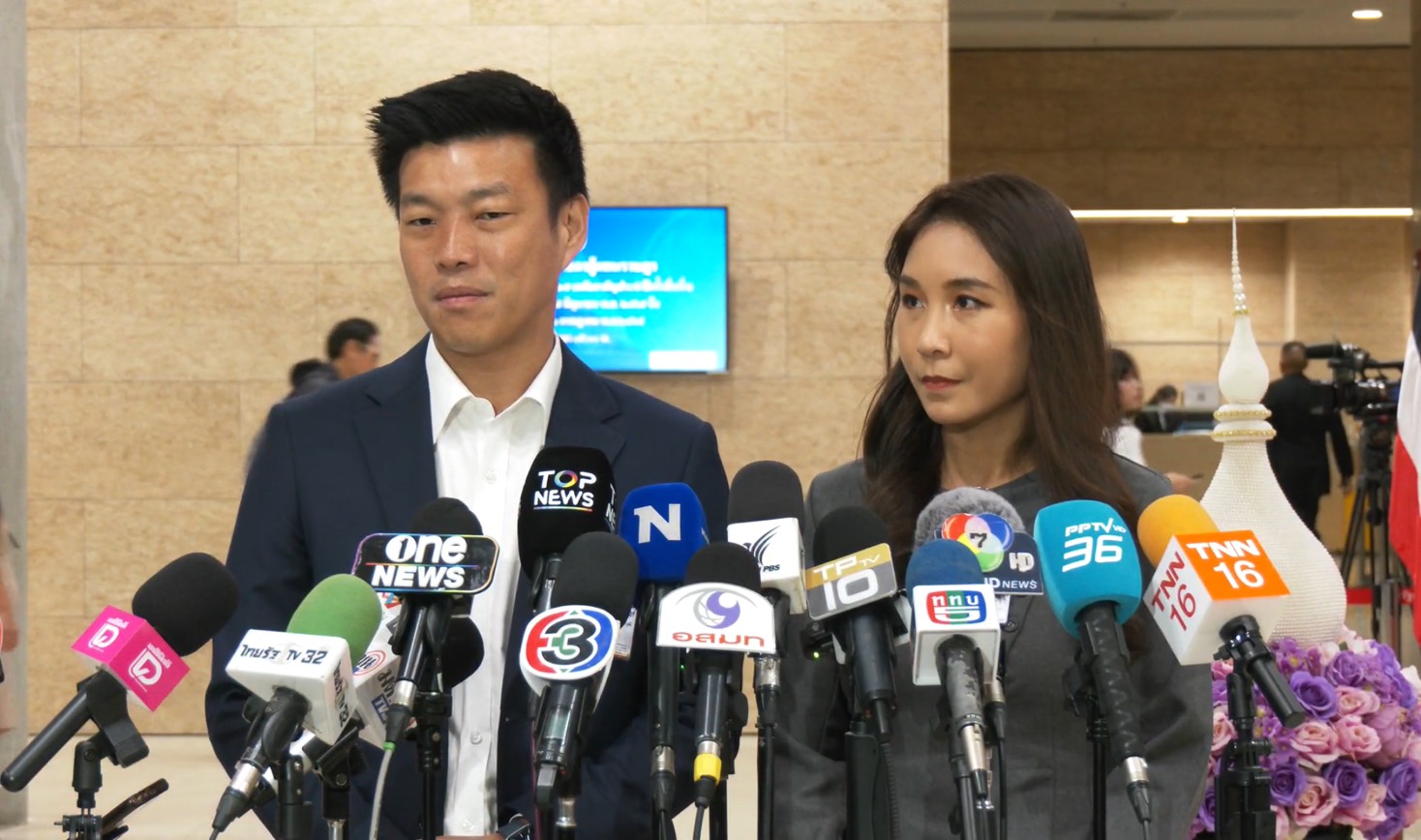
Thailand's opposition People's Party has expressed concerns regarding the budget allocation for the fiscal year 2027, particularly noting a nearly 30% increase in the budget for the Ministry of Digital Economy and Society (DE). The party highlighted a significant surge in AI-related projects, from approximately 30 to over 100. Mr. Natthaphong Rueangpanayawut, leader of the People's Party, stated that the substantial increase in AI-related budget is "doubtful" and vowed that the opposition will conduct a strict examination. Ms. Sirikanya Tansakul, Deputy Leader and Party-List MP, revealed that the use of off-budget funds from the DE fund, including the "TH AI Passport" project, will be a major point of contention during the budget debate. The party plans to deploy around 30 MPs to scrutinize various issues, such as the reduction of investment budgets, the impact on infrastructure, transportation, and agricultural sectors, insufficient disaster management budgets, and potential budget allocations linked to political supporters or contractors. Ms. Sirikanya also commented on the security budget, suggesting that procurement efficiency could be improved to avoid budget increases, even in the current challenging situation. She questioned why the FY2027 budget does not adequately reflect the government''s key policies, with significant downward revisions in targets for previously announced projects. The reduction of budgets for the southern provinces was also raised as an issue, lacking a clear integration plan. Furthermore, the People's Party intends to investigate the alleged corruption in examinations under the Ministry of Interior, linking it to budget expenditures. Ms. Sirikanya expressed confidence that the public will be able to judge the validity of any protests from the government side during the budget debate, reaffirming the party's commitment to fulfilling its role as an opposition party. Source: INN News
多角的分析
2027会計年度予算案におけるDE省の予算増加は、タイ政府がAI技術開発とデジタル経済への投資を加速させる意向を示唆している。しかし、野党は投資予算の削減と、AI関連プロジェクトへの急激な予算配分増加との間のバランスに疑問を呈している。これは、短期的なAIプロジェクトへの集中が、長期的な経済成長に必要なインフラ投資や農業生産性向上への投資を犠牲にするリスクを示唆している。AI関連プロジェクトの具体的なROI(投資対効果)や、それがタイ経済全体の競争力向上にどう貢献するかが問われる。
AI関連予算の急増は、タイのテクノロジーセクターへの関心を高める可能性がある。特に、AI開発や関連インフラへの投資が活発化すれば、関連企業の株価上昇や新規参入を促す要因となりうる。しかし、野党が指摘する予算の透明性や使途の不明瞭さは、投資家にとってリスク要因となる。特に、予算外資金の使途や、政治的コネクションが疑われるプロジェクトへの資金配分は、投資判断における不確実性を増大させる。透明性の確保と、具体的な成果目標の提示が、国内外からの投資を呼び込む鍵となるだろう。
AI関連予算の増加は、将来の雇用や社会サービスに影響を与える可能性がある。AI技術の導入は、一部の職種を自動化する一方で、新たなスキルを持つ人材への需要を生み出す。DE省のAIプロジェクトが、国民のスキルアップや再教育プログラムと連動しているかどうかが重要となる。また、AIパスポートのようなプロジェクトは、個人情報の管理やプライバシー保護に関する懸念を引き起こす可能性がある。国民生活に直接影響を与えるこれらのプロジェクトについては、国民への十分な説明と、プライバシー保護のための厳格な規制が求められる。
AI関連予算の急増は、国民の生活に直接的な影響を与える可能性がある。例えば、AI技術による公共サービスの効率化は歓迎される一方、AIによる監視強化や、雇用機会の減少といった懸念も生じる。野党が指摘する予算の不透明性や、特定のプロジェクトへの偏った資金配分は、国民の税金が効果的かつ公正に使われているかという疑問を投げかける。特に、「TH AI Passport」のようなプロジェクトは、国民の個人情報管理に関する不安を増幅させる可能性があり、透明性の高い説明が不可欠である。
背景・歴史的文脈
タイでは、デジタル経済への移行を国家戦略として推進しており、AI技術の導入はその中核をなす。過去数年間、政府はデジタルインフラ整備や関連産業育成に力を入れてきた。しかし、予算配分においては、常に野党からの監視と批判にさらされてきた。特に、大規模な公共事業や技術開発プロジェクトでは、透明性や効率性、そして癒着の可能性が議論の的となりやすい。2027会計年度予算案におけるDE省の予算急増とAI関連プロジェクトの爆発的な増加は、こうしたタイの予算編成における構造的な課題と、デジタル化推進への期待と懸念が交錯する現状を浮き彫りにしている。
原文ソース
INN News