VP Impeachment Trial Set to Open; Prosecutors Declare Readiness
The impeachment trial of the Vice President is set to commence in the Philippine Senate tomorrow, with House prosecutors announcing their readiness and urging the official to appear and be accountable to the public. The trial is expected to span several months, addressing various allegations.
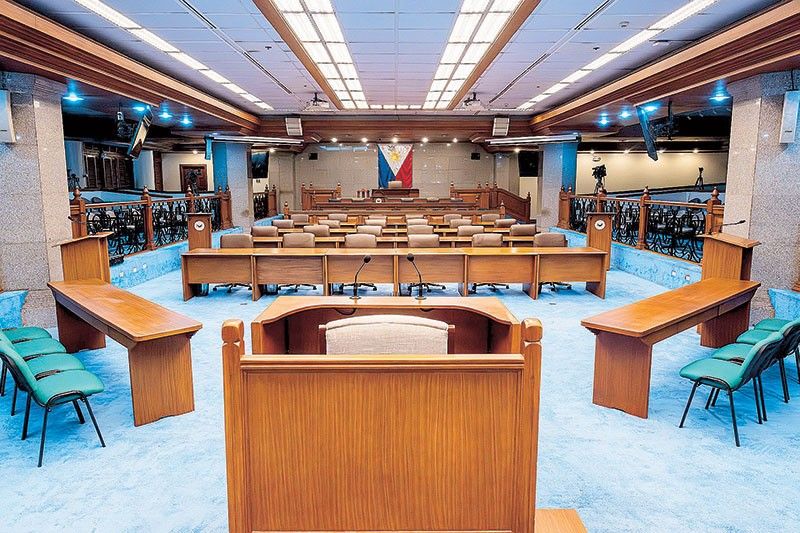
MANILA, Philippines — With the Senate impeachment court slated to open the trial of Vice President Sara Duterte tomorrow, House prosecutors have declared their readiness to present their case as they challenged the embattled official not to “ghost” the public by skipping the proceedings. “The long wait is over. On Monday, we expect the trial to begin, as our countrymen have long waited for,” House of Representatives prosecutor Rep. Joel Chua announced at a news forum in Quezon City yesterday. The trial is slated to kick off at 2 p.m. tomorrow, with statements from both the prosecution and defense panels, followed by a Senate impeachment court ruling on key procedural motions. But after the resumption of the second regular session on July 27, Senate trial will begin at 3 p.m., with mornings devoted to legislative hearings, starting at 10 a.m. “It’s going to be heavy if you look at the activities: mornings, debate on bills, afternoon is for the impeachment court. And on other days, there are hearings. I admit it’s going to be tough for our senators,” Senate President Sherwin Gatchalian said, explaining the adjustments in schedule. Chua said one of the crucial issues to be decided is the prosecution’s request for the trial to be conducted in Filipino and English so that the public will better understand the proceedings. Duterte was impeached by the House in May and is facing trial over allegations that include misuse of confidential funds, unexplained wealth, bribery involving Department of Education personnel and threats against President Marcos, First Lady Liza Marcos and former speaker Martin Romualdez. The House prosecution panel submitted to the impeachment court the names of National Bureau of Investigation Bangsamoro regional director Jeremy Lotoc, NBI senior agent John Mark Calilung and House Legislative Security Bureau director Belinda Bello as witnesses to be presented this week. In the pre-trial order approved by Gatchalian last week, the fourth Article or the grave threats against the President and the others would be tackled first in the trial. The examination of evidence for the grave threats article is expected to run for 11 trial days. It would be followed by the misuse of confidential funds (31 days), DepEd bribery (eight days) and the unexplained wealth (12 trial days). There will be a total of 92 trial days. It’s still unclear whether the Vice President will personally appear at her trial. Speaking from Vancouver, Palace press officer Claire Castro said Duterte should personally appear at her trial if she really is serious about her boast of wanting a “bloodbath.” “This is where the Vice President can show her ability to answer questions or confront witnesses who might make statements unfavorable to her,” Castro said. “Our one wish is that VP Sara doesn’t ghost the Filipino people on Day 1 of the trial,” House trial spokesperson and Kabataan Party-list Rep. Renee Co said in a statement. “We need to finish this as show of respect for our countrymen demanding answers,” Co said. While Senate rules grant the Vice President the option not to show up and be represented only by her legal counsel, civic groups argue that her physical absence would reflect poorly on her commitment to transparency. “In our view, the mere fact that she may choose not to attend is again a disrespect to the process. Let’s respect the process, let’s respect the Constitution,” lawyer Dino de Leon of the watchdog group Bantay Senado said at a forum. “While we appreciate that the decision belongs to her, it does not mean that we like the decision... We will be the judge, ultimately. The Senate will be judged by the people, and the respondent will also be judged by the people,” he added. House legal spokesman and private prosecutor Benjamin Tolosa Jr. acknowledged that while Duterte is allowed under the rules to skip her trial, public clamor for her to take the stand is strong. “We, of course, recognize the sentiment of the public that there’s a demand to hear her personally address these allegations against her and face the impeachment court,” Tolosa said. He emphasized, however, that her absence would not derail the prosecution’s strategy. “We will still present our evidence, call to the witness stand all of our witnesses, regardless if she’s there or not,” Tolosa said. Chua, meanwhile, stressed that they are prepared to counter false narratives with hard facts and not with political rhetoric. Chua noted that public awareness regarding the allegations against Duterte has significantly grown since last year’s House committee on justice hearings, citing an internal survey indicating that 82 percent of respondents support the conduct of an impeachment trial. “It doesn’t mean that 82 percent believe the Vice President is guilty. It’s just that they are interested to see the evidence and let the impeachment trial reach its conclusion,” he said. “We can’t prevent the spread of fake news. And we expect to see it intensify as the impeachment trial progresses, to divert the attention of our countrymen,” he pointed out. Domingo Cayosa, former president of the Integrated Bar of the Philippines, said even the Supreme Court is unlikely to meddle in the impeachment process amid debates over the two-thirds vote needed for a conviction. “The impeachment court is independent and not covered by the Supreme Court. When it comes to matters regarding impeachment, the Senate is the final decision maker and not the Supreme Court,” Cayosa said over radio dzBB on Friday. Meanwhile, the Bagong Alyansang Makabayan said the impeachment should be an opportunity for the people to hold Duterte accountable. — Marc Jayson Cayabyab, Helen Flores, Ghio Ong, Emmanuel Tupas
多角的分析
弾劾裁判の長期化は、副大統領の政治的不確実性を高め、投資家の信頼感に影響を与える可能性がある。特に、機密資金の不正流用や不当な富といった疑惑は、公的資金の管理体制への懸念を呼び起こし、経済政策の安定性に対する疑念を生じさせる。これにより、国内投資だけでなく、海外からの直接投資にも影響が出る可能性が考えられる。また、裁判の進展によっては、政府の経済政策遂行能力への影響も懸念される。
副大統領の弾劾裁判は、フィリピンの政治リスクを一段と高める要因となる。投資家は、裁判の結果が今後の政権運営や経済政策にどのような影響を与えるかを見極めようとするだろう。特に、疑惑の内容が公的資金の不正流用や贈賄に関わるものであれば、コーポレートガバナンスや汚職対策への懸念から、投資判断に慎重になる可能性がある。裁判の長期化は、不確実性を増幅させ、市場のボラティリティを高める要因となりうる。
弾劾裁判の審理がフィリピン語と英語で行われるかどうかの議論は、国民の裁判へのアクセスと理解度を左右する重要な社会的な側面を持つ。副大統領が裁判に出廷しない場合、国民は直接的な説明を受ける機会を失い、透明性への疑問がさらに深まるだろう。これは、政治への信頼を揺るがし、市民の政治参加への意欲に影響を与える可能性がある。また、国民が裁判の進展に関心を持っているという調査結果は、説明責任を求める市民の声が強まっていることを示唆している。
副大統領の弾劾裁判は、マニラ首都圏の一般市民にとって、政治への関心を高める機会であると同時に、将来への不安要因ともなりうる。裁判で疑惑が晴らされない場合、公的資金の使途への不信感が増し、政府への信頼が損なわれる可能性がある。また、裁判の長期化は、政治的な不安定さを招き、経済への悪影響を通じて、市民の生活水準に間接的に影響を与えることも考えられる。特に、若年層はSNSなどを通じて情報収集を行い、透明性の高い政治を求めている。
背景・歴史的文脈
フィリピンにおける弾劾制度は、大統領、副大統領、最高裁判事、憲法裁判所長官、監察官などの高官に対する責任追及の手段として憲法に定められている。過去には、ジョセフ・エストラーダ元大統領が弾劾裁判中に国民の蜂起(EDSA革命)により失職した事例がある。今回の副大統領弾劾は、現政権下での権力闘争や、過去の政権からの継続的な政治的対立の延長線上にあると見られる。機密資金の流用疑惑は、過去の政権でも問題視されてきた公的資金管理の甘さが背景にあると考えられる。
原文ソース
Philstar Nation