Vietnam Considers Wolbachia Mosquitoes for Disease Control
Technology
2026年7月8日
5
VnExpress
Relations
🇻🇳Vietnam🇹🇭Thailand🇺🇸United States🇦🇺Australia🇸🇬Singapore

Vietnam Considers Wolbachia Mosquitoes for Disease Control

AI サマリー

A US company plans to release male mosquitoes carrying Wolbachia bacteria in Washington D.C. to control mosquito populations and prevent disease transmission. Vietnam may consider similar technologies.

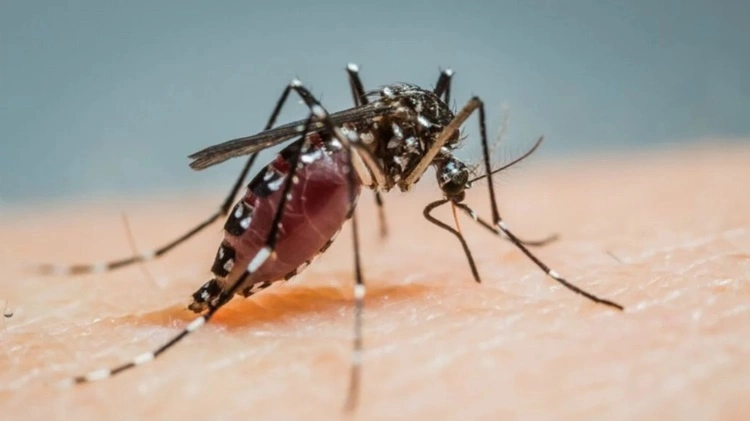
A US company is planning to release a large number of male mosquitoes carrying the Wolbachia bacteria in Washington D.C.'s urban areas this summer, aiming to control mosquito populations and combat disease transmission. Bee Safe Mosquito Control, based in Maryland, will release male mosquitoes infected with Wolbachia around Washington D.C. The company expects these male mosquitoes to mate with female mosquitoes that do not carry the bacteria, rendering them infertile and leading to a gradual reduction in the mosquito population over time. Similar programs have been implemented in several countries to curb mosquito-borne diseases. Wolbachia is a group of bacteria commonly found in a majority of insects, including mosquitoes. The bacteria have a complex relationship with their hosts. In some insects like mosquitoes, Wolbachia can affect reproduction through a phenomenon called cytoplasmic incompatibility. Wolbachia alters both the sperm and eggs of infected mosquitoes. When a male mosquito infected with Wolbachia mates with a female mosquito that is not infected or carries a different strain of the bacteria, the altered sperm damages the eggs shortly after fertilization, preventing them from hatching. Scientists are leveraging this incompatibility as a form of biological pesticide. They introduce a specific Wolbachia strain (different from those found in nature) into male mosquitoes raised in laboratories and then release large numbers into the wild. Since female mosquitoes mate only once, those that have paired with laboratory-reared males will never produce viable offspring. Countries such as Brazil, Singapore, and Thailand have already piloted or permitted the use of Wolbachia-infected male mosquitoes to reduce mosquito numbers. In late 2023, the Environmental Protection Agency (EPA) approved the widespread application of this technique in the US, utilizing genetically modified Aedes albopictus mosquitoes called ZAP males, developed by MosquitoMate, a commercial company founded by a research team from the University of Kentucky. These are the same mosquitoes Bee Safe plans to deploy this summer. According to Independent, Bee Safe plans to release a total of approximately 600,000 ZAP male mosquitoes in the Washington D.C. metropolitan area from June to September. Aedes albopictus, also known as the Asian tiger mosquito, can transmit diseases like dengue fever, Zika virus, and chikungunya. However, Aedes albopictus is considered less dangerous than Aedes aegypti, which primarily feeds on humans. Earlier in June, The Guardian reported that Google is seeking approval from the US government to release 32 million sterile male mosquitoes in California and Florida. As part of its "Debug" program, Google is using its technological advantage to deploy an army of sterile mosquitoes to reduce the population of disease-carrying insects. The EPA is reviewing Google's request to release 16 million mosquitoes annually in the two states over two years. Unlike Bee Safe, Google is focusing on male Aedes aegypti mosquitoes carrying Wolbachia. While the effectiveness of mosquito-killing mosquito technology requires time for evaluation, if successful, it could provide a more environmentally friendly weapon in the fight against these dangerous disease-transmitting insects. Information Source: VnExpress

多角的分析

経済的影響

ベトナムは、蚊媒介疾患の蔓延が公衆衛生と観光業に与える影響を考慮すると、この技術の導入を経済的に検討する可能性がある。ウォルバキア菌技術は、殺虫剤の使用量を減らし、関連する医療費を削減することで、長期的には経済的利益をもたらす可能性がある。ただし、初期投資や大規模な放流プログラムの運営コストが課題となる。

投資家心理

この技術の成功は、公衆衛生分野における新たな投資機会を生み出す可能性がある。特に、感染症対策やバイオテクノロジー関連企業への関心が高まることが予想される。ベトナム市場への参入を検討する投資家は、現地の規制、インフラ、そして同様の技術に対する国民の受容度を慎重に評価する必要がある。

社会的影響

ベトナムでは、デング熱などの蚊媒介疾患が依然として公衆衛生上の懸念事項であり、特に都市部や農村部での感染リスクが高い。この技術が導入されれば、地域住民の健康を守り、感染症による社会的な負担を軽減する可能性がある。しかし、遺伝子組み換え技術や外来種の導入に対する社会的な懸念や、効果の持続性についての議論も必要となるだろう。

市民の声

ベトナム市民、特に蚊の多い地域に住む人々にとって、この技術は感染症のリスクを減らす朗報となる可能性がある。しかし、新しい技術に対する不安や、それが自然環境に与える長期的な影響についての懸念も生じるかもしれない。市民は、政府や関連機関からの透明性のある情報提供と、技術の安全性に関する十分な説明を求めるだろう。

背景・歴史的文脈

ベトナムでは、デング熱、ジカ熱、チクングニア熱といった蚊媒介疾患が、特に雨季に公衆衛生上の大きな脅威となっている。これらの疾患は、主にネッタイシマカ(Aedes aegypti)やヒトスジシマカ(Aedes albopictus)によって媒介される。過去数十年にわたり、ベトナム政府は殺虫剤散布や蚊の幼虫駆除など、様々な対策を講じてきたが、感染の波は繰り返されている。近年、世界的にウォルバキア菌を利用した蚊の駆除技術が注目されており、ブラジル、シンガポール、オーストラリアなど多くの国で試験導入や実用化が進んでいる。ベトナムも、これらの国際的な動向を踏まえ、より持続可能で環境に優しい感染症対策として、この技術の導入を検討する可能性が考えられる。

原文ソース

VnExpress

原文を読む