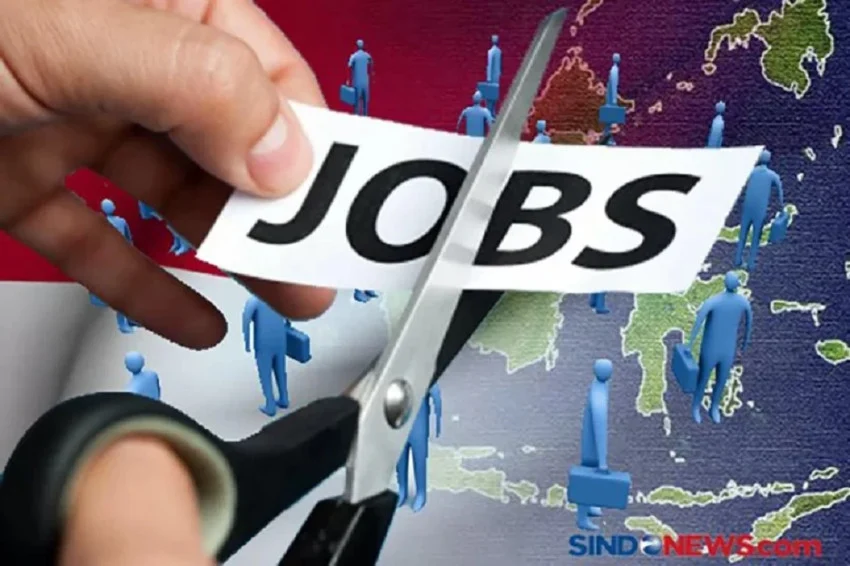
Mass Layoffs in Indonesia Reflect Structural Economic Issues, Says Labor Union
Economy
2026年7月4日
3
Sindonews

Mass Layoffs in Indonesia Reflect Structural Economic Issues, Says Labor Union

AI サマリー

The Indonesian labor union FSP BUMN Bersatu has stated that the wave of mass layoffs reflects structural problems in the national economy. The union warns that this situation is not merely a temporary economic downturn but an indication of deeper economic challenges.

The wave of mass layoffs (PHK) occurring in Indonesia has been identified by the labor union FSP BUMN Bersatu (United Federation of State-Owned Enterprise Workers) as a reflection of structural problems within the national economy. According to the union's perspective, the current wave of dismissals suggests issues rooted in the economic system itself, rather than being solely due to temporary economic fluctuations. This statement highlights concerns about the health of the Indonesian economy. Further detailed analysis is required to understand specifically what structural issues are at play and what long-term impact they may have on public life and employment. It is understood that the labor union is urging the government to address these fundamental structural problems. The Indonesian economy has a structure susceptible to the influence of multiple factors, including reliance on resource exports, fluctuations in domestic consumption, and global economic uncertainties. The current wave of layoffs suggests that these factors may be interacting complexly, significantly impacting the job market.

多角的分析

経済的影響

FSP BUMN Bersatu's statement points to a potential symptom of deeper economic issues, possibly related to over-reliance on specific sectors, insufficient diversification, or inefficiencies within state-owned enterprises (BUMN) themselves, which often employ a large workforce. The "structural problems" could encompass outdated business models, lack of innovation, or challenges in adapting to global market shifts. Historically, developing economies often face such structural hurdles as they transition and industrialize, leading to periods of painful adjustment and workforce consolidation.

投資家心理

For investors, the mention of "structural problems" and mass layoffs is a clear signal of increased economic risk. It suggests potential instability in key sectors, possibly affecting the profitability and outlook of companies, including state-owned enterprises. Investors will likely scrutinize sectors experiencing significant layoffs for signs of systemic weakness, potentially leading to a more cautious approach, seeking companies with resilient business models and strong fundamentals that can weather such economic headwinds.

社会的影響

The social implications of mass layoffs are significant. Beyond immediate unemployment and financial hardship for affected individuals and their families, it can lead to increased social inequality and potential unrest. For instance, if layoffs disproportionately affect certain regions or demographics, it could exacerbate existing social tensions. The statement by FSP BUMN Bersatu implies a need for social safety nets and retraining programs to mitigate the impact on the workforce and prevent widespread social distress.

市民の声

From a citizen's perspective, the "structural economic issues" translate into job insecurity and potential difficulties in finding new employment, especially if the skills of the laid-off workers do not match the demands of emerging industries. This can lead to increased anxiety about the future, particularly for families relying on stable income. The cost of living, coupled with job scarcity, could place considerable strain on household budgets, forcing difficult financial decisions.

背景・歴史的文脈

インドネシア経済は、長年にわたり資源輸出への依存度が高く、グローバルな商品価格の変動に左右されやすい構造にある。また、国有企業(BUMN)は経済の重要な柱であるが、しばしば非効率性や硬直性が指摘されてきた。過去には、アジア通貨危機(1997-98年)や近年のパンデミック(2020年〜)のような外部ショックが、これらの構造的な脆弱性を露呈させ、大規模な雇用調整を招いた事例がある。今回の労働組合の指摘は、こうした過去の教訓を踏まえ、経済の持続的な成長と雇用安定のために、より抜本的な改革が必要であることを示唆している。

原文ソース

Sindonews

原文を読む