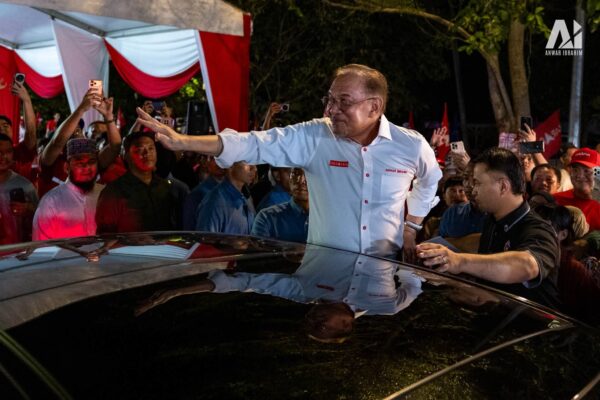
Malaysia's State Elections: Allies Vie for Dominance
Politics
2026年7月7日
5
The Diplomat Indonesia

Malaysia's State Elections: Allies Vie for Dominance

AI サマリー

In Malaysia, ruling federal partners Pakatan Harapan (PH) and Barisan Nasional (BN) are competing for state-level dominance in upcoming July elections, reflecting an internal power struggle within the federal government.

In Malaysia, a curious irony pervades the political landscape: Prime Minister Anwar Ibrahim’s Pakatan Harapan (PH) coalition and the Barisan Nasional (BN) coalition, despite being partners at the federal level, are simultaneously vying to become the dominant force of tomorrow. The upcoming state elections in Johor on July 11 and Negeri Sembilan on August 1 are more than routine contests; they are a crucial test of strength between the two principal pillars of the federal government. While PH and BN cooperate in Putrajaya, both coalitions are leveraging these elections to consolidate their political bases, win back supporters, and improve their bargaining positions ahead of the next general election, due by early 2028. These polls expose the contradictions within the Madani administration, where federal cooperation has not erased decades of rivalry. In Johor, the stronghold of UMNO, BN's main component, the coalition sees an opportunity to prove its enduring political might. Their campaign highlights Chief Minister Onn Hafiz Ghazi, credited with attracting record investments and promoting economic growth. A strong Johor showing would bolster UMNO's claim for a larger federal role and potentially national leadership. PH, however, sees an opening in Johor's unique political arrangement, urging voters to align state and federal administrations. They argue their dual role as federal partner and a check on the BN-led state government offers accountability and stability. Negeri Sembilan presents a different challenge, testing Anwar Ibrahim’s leadership and PH’s appeal more directly. Internal PKR splits and the emergence of a new party under former ministers threaten to fragment PH's support. The earlier collapse of the Negeri Sembilan government after BN withdrew support further complicates the scenario. A loss in Negeri Sembilan would be a severe setback for Anwar, fueling criticism of his reforms and calls for an early general election. Conversely, a victory would solidify his position and energize the Madani government. The elections are also occurring amidst declining party loyalties and an unpredictable electorate, particularly younger voters concerned with economic issues, governance, and the cost of living. Both PH and BN are trying to court these undecided voters while countering the opposition Perikatan Nasional (PN). Ultimately, the Johor and Negeri Sembilan elections will serve as dress rehearsals for the next general election, revealing the political viability of Anwar's alliance and whether PH or UMNO will emerge as the dominant force shaping Malaysia's political future.

多角的分析

経済的影響

州選挙は、地域経済への直接的な影響よりも、連邦政府内の勢力均衡の変化を通じて間接的に経済に影響を与える可能性がある。BNがジョホール州で勝利すれば、同党が federal level でより大きな役割を主張し、経済政策における影響力を増大させることが考えられる。これにより、投資家心理や特定の産業への政策配分に変化が生じる可能性がある。

投資家心理

州選挙の結果は、マレーシアの政治的不確実性を一時的に高める可能性がある。特に、連邦政府の主要パートナー間の競争が激化すれば、政策の一貫性や将来的な方向性に対する懸念が生じ、外国からの直接投資(FDI)に短期的な影響を与える可能性がある。しかし、長期的には、安定した連邦政府の形成が投資環境を改善する要因となる。

社会的影響

州選挙は、有権者の政治的関心や党派意識の変遷を浮き彫りにする。特に若い世代は、経済問題や生活費への懸念を強く持っており、従来の政党への忠誠心よりも、具体的な政策や将来への希望を重視する傾向がある。ジョホール州のUMNOのキャンペーンは、経済成長の実績を強調することで、こうした有権者の関心を引こうとしている。

市民の声

連邦政府の協力関係と州レベルでの競争という矛盾は、市民に政治的不信感を与える可能性がある。特に、州と連邦の政策が一致しない場合、行政の非効率性や、市民生活への具体的な恩恵の遅延につながりかねない。ヌグリ・スンビラン州での政府崩壊は、政治的安定性への市民の不安を増大させる要因となる。

背景・歴史的文脈

マレーシア政治におけるPHとBNの関係は、2018年の総選挙で長年政権を担ってきたBNが敗北し、PHが政権を奪取した歴史的転換点に端を発する。しかし、PH政権も短命に終わり、その後、政治的混乱を経て、2022年の総選挙でアンワル首相率いるPHと、かつての与党BNが、連邦レベルで連立政権を形成することになった。この連立は、両陣営の根深い対立と、政治的安定を求める国民の意向が交錯した結果であり、今回の州選挙は、この不安定な連立政権下での各勢力の力関係を再確認する試金石となっている。

原文ソース

The Diplomat Indonesia

原文を読む