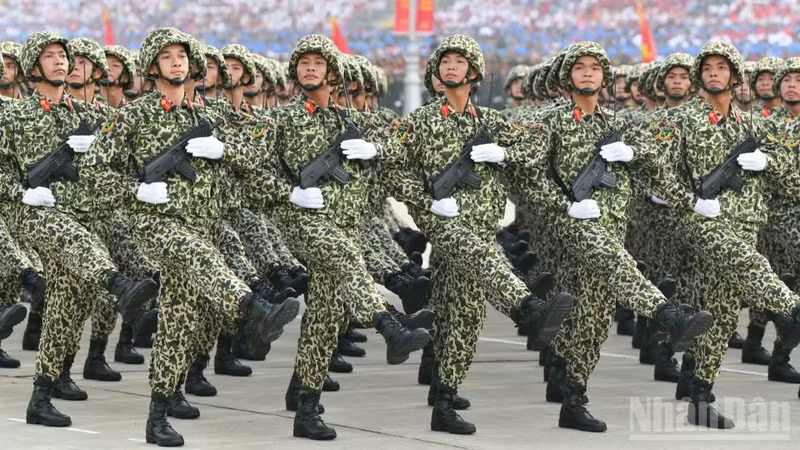
Vietnam to Draft Amendments to 9 Military and Defense Laws for 2026 Legislative Program
Diplomacy
2026年7月7日
3
Nhan Dan
Relations
🇻🇳Vietnam🇨🇳China

Vietnam to Draft Amendments to 9 Military and Defense Laws for 2026 Legislative Program

AI サマリー

Vietnam's Ministry of National Defense is leading the drafting of amendments to nine laws concerning military and defense affairs. These are slated for inclusion in the 2026 National Assembly legislative program, focusing on their impact on citizens and strengthening national security.

The Ministry of National Defense of Vietnam is leading the development of draft amendments and additions to nine laws in the military and defense sector. These draft laws, in accordance with legal provisions, will be reported to the National Assembly Standing Committee for review and opinion, and subsequently included in the National Assembly's legislative program for 2026. Additions to this legislative program also include a draft law on special urban areas, a draft law amending preferential policies for revolutionary contributors, a draft law amending the Law on Occupational Safety and Health, and draft amendments to four laws in the interior sector. These initiatives are considered to be aimed at strengthening national governance and security under Vietnam's one-party system. In particular, legislative amendments in the defense and military sectors may indirectly affect citizens' lives and social structures, and their detailed content and implementation will be closely watched. In recent years, Vietnam has achieved rapid economic growth while pursuing a cautious foreign policy amidst rising regional geopolitical tensions, especially concerning its relations with China. The refinement of defense-related legislation in such a context is likely to be considered a crucial step in ensuring the nation's sovereignty and security.

多角的分析

経済的影響

軍事・国防関連法制の改正は、直接的な経済効果よりも、国家安全保障の強化を通じた間接的な経済安定化に寄与すると考えられる。国防費の増減は経済に影響を与えるが、現時点では具体的な予算規模は示されていない。しかし、法改正は将来的な軍備調達や関連産業への投資の可能性を示唆しており、長期的な視点での経済への影響が分析されるべきである。

投資家心理

投資家にとって、軍事・国防関連法制の改正は、直接的な投資機会をもたらすものではない。しかし、ベトナムの国家安全保障環境の安定化は、外国からの直接投資(FDI)や貿易にとってポジティブな要因となり得る。特に、中国との関係が緊迫する地域情勢において、ベトナムの防衛力強化は、サプライチェーンの安定性や地政学リスクの低減につながる可能性がある。

社会的影響

軍事・国防関連法制の改正は、国民の兵役義務、徴兵制度、あるいは国防協力に関する新たな規定を導入する可能性がある。これにより、一部の国民の生活やキャリアプランに影響が出ることも考えられる。また、国防強化は社会全体の安全保障意識を高める一方で、国家資源の配分が他の社会福祉分野に及ぼす影響についても、市民からの関心が寄せられる可能性がある。

市民の声

今回の法改正は、国民の兵役義務や徴兵制度、あるいは国防協力に関する新たな規定を導入する可能性がある。これにより、一部の国民の生活やキャリアプランに影響が出ることも考えられる。例えば、徴兵年齢の変更や、予備役の動員に関する規定が厳格化されれば、若年層の進学や就職計画に影響を与える可能性がある。また、国防強化は社会全体の安全保障意識を高める一方で、国家資源の配分が他の社会福祉分野に及ぼす影響についても、市民からの関心が寄せられるだろう。

背景・歴史的文脈

ベトナムは、1975年のベトナム戦争終結後、国家統一と社会主義体制の確立を目指し、国防・軍事分野における法整備を進めてきた。特に、1986年のドイモイ(刷新)政策以降、経済成長と対外開放を推進する一方で、国家の主権と安全保障の維持は一貫して重要な課題とされてきた。近年の南シナ海における中国の活動活発化や、地域全体の地政学的な緊張の高まりを受け、ベトナムは国防力の強化と関連法制の整備を一層重視する姿勢を示している。今回の9法改正案は、こうした背景を踏まえ、現代の安全保障環境に対応するための法的な枠組みを強化する試みであると考えられる。

原文ソース

Nhan Dan

原文を読む