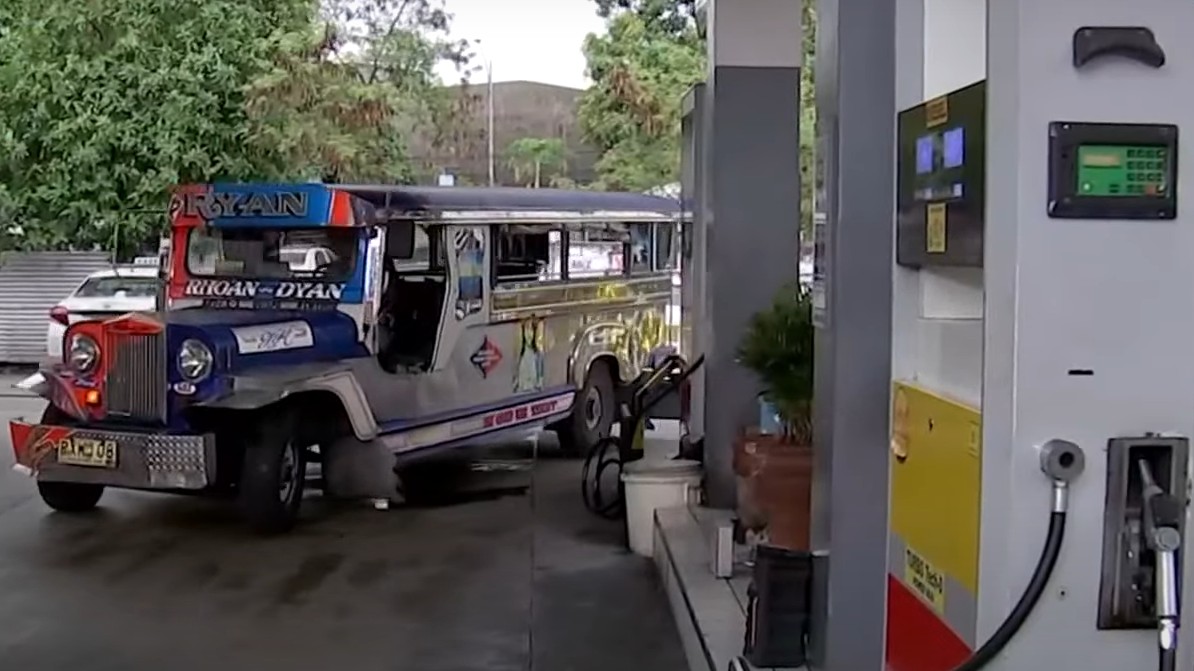
Philippines Eyes Aid for Fuel Price Hikes Amid Mideast Tensions, US-ICC Stance
Politics
2026年7月15日
5
GMA Money Philippines

Philippines Eyes Aid for Fuel Price Hikes Amid Mideast Tensions, US-ICC Stance

AI サマリー

The Philippine government is exploring potential assistance measures for sectors impacted by rising fuel prices, driven by Middle East tensions. The nation is also closely examining the implications of the US stance on the International Criminal Court (ICC).

The Philippine government is studying possible ways to cushion the impact of rising fuel prices, exacerbated by ongoing tensions in the Middle East. Palace Press Officer Claire Castro stated that the President's desire is for no one to be left behind, and that assistance should be provided to all in a proper and balanced manner. The request from transport group Pasang Masda to restore the additional P1 minimum fare increase, which was suspended in March, is also under review. The government is exploring avenues to provide support to the transport sector while simultaneously ensuring consumers are protected from the effects of higher fuel costs. Furthermore, the government is analyzing the potential implications of the United States' recent pronouncements regarding the International Criminal Court (ICC). Castro indicated that the effects are currently being studied, including how they might impact the implementation of domestic laws. The Trump administration had previously launched efforts to "dismantle" what it termed a threat to US sovereignty posed by the ICC. A State Department official mentioned that a range of options, including travel bans, visa revocations, increased sanctions, and diplomatic pressure on other nations to withdraw from the ICC, are under consideration. This situation highlights the vulnerability of the Philippine economy to global energy price fluctuations. Increases in transportation costs can lead to broader inflationary pressures domestically. The government's proposed assistance measures will be crucial in mitigating the impact on the daily lives of its citizens. Additionally, the US's assertive stance towards the ICC raises questions about the interplay between international law and national sovereignty, potentially influencing the legal and foreign policy frameworks of various nations, including the Philippines, necessitating a careful analysis.

多角的分析

経済的影響

フィリピン経済は原油価格の変動に脆弱であり、燃料価格の上昇は輸送コストの増加を通じて、国内のインフレ圧力を高める。これにより、食料品や日用品などの価格も上昇し、低所得者層の家計を圧迫する。政府の支援策は、こうした負のスパイラルを食い止めるための重要な経済政策となる。過去には、燃料税の引き下げや、輸送事業者への直接的な補助金支給などの措置が取られてきたが、その効果と財政負担のバランスが常に課題となっている。

投資家心理

投資家にとって、燃料価格の高騰は、輸送・物流コストの増加による企業収益への影響、およびインフレによる消費者の購買力低下という二重のリスクをもたらす。特に、BPO(ビジネス・プロセス・アウトソーシング)産業など、エネルギーコストに敏感なセクターへの影響が懸念される。政府の支援策の具体的内容と財源が、投資環境の安定化に不可欠となる。また、米国のICCに対する姿勢は、国際的な地政学リスクとして、一部の海外投資家のリスク許容度に影響を与える可能性がある。

社会的影響

燃料価格の高騰は、特に公共交通機関を利用する通勤・通学客や、長距離移動を余儀なくされる地方住民の生活費を直撃する。Pasang Masdaのような輸送業界団体の要求は、こうした層の負担増を背景としている。政府が輸送セクターへの支援と消費者保護のバランスを取ろうとする姿勢は、社会的な安定を維持するための努力と言える。一方、米国のICCに対する強硬姿勢は、フィリピン国内の法執行や人権問題への国際的な関与のあり方について、国民の間で様々な意見を生む可能性がある。

市民の声

マニラ首都圏で働くマリアさんは、「毎日の通勤で使うジープニーの運賃がまた上がるかもしれないと聞くと、本当に不安です。食料品も高くなっているので、生活がますます苦しくなります。政府には、私たち庶民の生活を守るための実効性のある支援をお願いしたいです」と語る。若者のフアン君は、「海外で働くチャンスを掴みたいけれど、国内の経済状況が不安定だと、将来への希望も持ちにくい。政府の対応が、私たちの未来にどう影響するのか注視しています」と述べている。

背景・歴史的文脈

フィリピンは、エネルギー資源の多くを輸入に依存しており、国際的な原油価格の変動に経済が大きく左右される構造にある。特に、中東地域は主要な原油供給源の一つであり、同地域の紛争や緊張は、直接的に燃料価格の上昇を招く。過去にも、湾岸戦争やイラク戦争などの際には、フィリピン国内で燃料価格が急騰し、国民生活に大きな影響を与えた。政府はこれまで、燃料税の減免措置や、輸送事業者への補助金、代替燃料への転換促進などの対策を講じてきたが、根本的なエネルギー自給率の低さを克服するには至っていない。また、国際刑事裁判所(ICC)に関しては、フィリピンは2011年に批准したが、ドゥテルテ前政権下で、同裁判所への協力を停止する意向を示し、国際社会との間に緊張が生じた経緯がある。現在の政府の姿勢は、こうした過去の経緯を踏まえ、慎重な対応を模索しているものと考えられる。

原文ソース

GMA Money Philippines

原文を読む