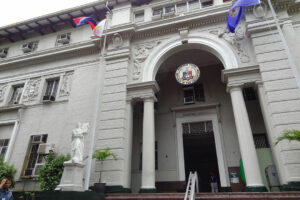
SC dismisses contempt raps vs critics of Duterte impeachment ruling
The Supreme Court dismissed indirect contempt petitions against political analyst Richard J. Heydarian and others for their statements criticizing the impeachment proceedings involving Vice President Sara Duterte-Carpio, finding no clear and present danger to the administration of justice.
The Supreme Court (SC) has dismissed separate indirect contempt petitions against political analyst Richard J. Heydarian, Party-list Rep. Percival “Perci” V. Cendaña and Presidential Adviser for Poverty Alleviation Lorenzo “Larry” G. Gadon over statements criticizing its impeachment ruling involving Vice-President Sara Duterte-Carpio. In a decision released on Thursday, the court said the petitions failed to show that the respondents’ remarks posed a clear and imminent threat to the administration of justice. The petitions stemmed from public statements made after the court declared unconstitutional the fourth impeachment complaint against Ms. Duterte in July 2025. While the respondents criticized the ruling and the court, the tribunal said the remarks were made during public debate on a matter of national importance and did not obstruct judicial proceedings. The court stressed that democratic discourse requires broad protection for public expression and cautioned against using contempt powers to suppress criticism of the judiciary. This decision marks a significant stance by the Philippine judiciary on the balance between freedom of expression and criticism of judicial decisions. It suggests a reluctance to use contempt powers to stifle public discourse on matters of national importance, particularly concerning political figures and processes. The ruling underscores the principle that robust public debate is essential in a democracy and that criticism, even if sharp, should not be automatically equated with obstruction of justice unless it poses a direct and immediate threat. This could embolden public commentators and citizens to engage more freely in discussions about governance and the judiciary's role, while still necessitating responsible and well-reasoned critique. The context of Vice President Duterte-Carpio's impeachment proceedings, a highly sensitive political issue, makes this ruling particularly relevant to the ongoing political discourse in the Philippines. Information Source: BusinessWorld Nation
多角的分析
本件は直接的な経済的影響は小さいが、間接的には言論の自由の保護が強化されることで、政治的安定性への信頼が維持され、投資家心理にポジティブな影響を与える可能性がある。フィリピン経済はBPO産業などサービス業に依存しており、安定した法制度と自由な言論環境は、海外からの投資を呼び込む上で重要な要素となる。
投資家にとっては、司法の独立性と言論の自由が尊重されることは、法治国家としての信頼性を高める要因となる。今回の決定は、批判的な意見表明が不当に処罰されるリスクが低いことを示唆しており、フィリピンへの投資判断において、政治的リスクを評価する上でプラス材料となりうる。
フィリピン社会においては、国民が政治的意思決定や司法判断に対して自由に意見を表明できる環境が維持されることが重要である。副大統領の弾劾手続きは国民の関心が高いテーマであり、この件に関する批判的な意見が抑圧されれば、国民の政府や司法への不信感が増大する可能性があった。今回の最高裁の判断は、健全な民主主義的議論を促進する上で肯定的な意味合いを持つ。
市民にとっては、政治指導者や司法機関の決定に対して、懸念や批判を表明する権利が守られたという点で安心感がある。特に、副大統領の弾劾という重大な政治プロセスに関する情報が、一方的に政府や司法に都合の良い形にのみ語られるのではなく、多様な視点から議論されることが期待される。これにより、市民はより情報に基づいた意思決定が可能となる。
背景・歴史的文脈
フィリピンでは、司法に対する軽蔑罪(contempt of court)は、裁判所の権威を侮辱したり、司法手続きを妨害したりする行為に対して適用される。過去にも、政治家や著名人が司法判断や裁判官に対する批判的な発言で軽蔑罪に問われるケースがあった。特に、副大統領のような高位の政治家が関わる弾劾手続きは、国民の関心が非常に高く、公の議論が活発になりやすい。2025年7月の最高裁によるドゥテルテ副大統領の4度目の弾劾申し立ての違憲判断は、この文脈における重要な出来事であり、それに対する批判的な意見表明が、司法への圧力とみなされるか、健全な民主的議論とみなされるかの境界線が問われた形となった。
原文ソース
BusinessWorld Nation