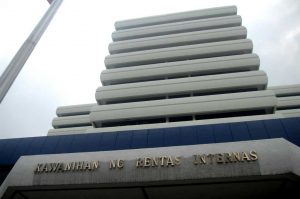
BIR Updates Rules for One-Time Transaction Processing
The Philippine Bureau of Internal Revenue (BIR) has updated its rules for processing one-time transactions (ONETT), including those involving real estate and stock transfers. The move aims to standardize procedures and expedite the issuance of certificates, with extended processing times for complex cases.
The Bureau of Internal Revenue (BIR) said it updated the rules for processing one-time transactions (ONETT) as it moves to standardize procedures and improve the issuance of computation sheets and electronic Certificates Authorizing Registration (eCAR). In Revenue Memorandum Order No. 17-2026, the BIR revised the ONETT processing guidelines involving the sale and donation of real and personal property, streamlining procedures for both manual and electronic applications through the eONETT system. According to the BIR, ONETT also includes the transfer of stocks not traded on the stock exchange, donations of property and transfers of property from a decedent’s estate. The guidelines require simple ONETT transactions to be processed and computation sheets be issued within three working days upon receipt of complete documentary requirements. These include transactions involving the transfer of three or fewer properties or types of share that do not require inspection. Meanwhile, the processing and issuance of computation sheets for complex transactions, or those involving the transfer of more than three properties or types of share, should not exceed seven working days. On the other hand, highly technical transactions, such as estate tax cases and those involving the transfer of more than 20 stock certificates, properties or parties, should be processed within 20 working days. For the processing of eCARs, the BIR said the issuance should not exceed seven working days from receipt of complete documentary requirements. The BIR also said that tax returns for ONETT transactions should be filed electronically under the Ease of Paying Taxes Act. However, it clarified that while filing and payment may be made electronically, applications for eCARs must still be processed by the Revenue District Office with jurisdiction over the transaction. Meanwhile, the guidelines provide that an ocular inspection may be conducted when necessary, including in cases where there are discrepancies involving property improvements or when taxpayers invoke special laws resulting in lower taxes. The updated procedures also require taxpayers to present original or certified true copies of documents for authentication during the processing of ONETT applications. Once the eCAR is issued, the BIR will stamp the word “USED” on all copies of the proof of payment and indicate the eCAR number, date of issuance, and the approving officer’s signature on the back of the original transfer document before returning it to the taxpayer. — Justine Irish D. Tabile
多角的分析
今回の BIR による ONETT 処理規則の改定は、フィリピン国内の不動産取引や資産移転における税務手続きの効率化と透明性向上を目的としている。特に、eONETT システムの活用や処理期間の明確化は、取引コストの削減に繋がり、経済活動の円滑化に寄与すると考えられる。しかし、複雑な案件や技術的取引に対する処理期間の延長は、依然としてボトルネックとなる可能性があり、不動産開発業者や資産家にとっては、手続きの遅延リスクとして認識される可能性がある。これは、フィリピン経済における不動産セクターの重要性を鑑みると、投資環境に間接的な影響を与える要因となり得る。
投資家にとって、この規則改定は、不動産投資や資産再編の際の税務手続きの予測可能性を高める点でプラスに働く可能性がある。特に、処理期間の明確化は、M&Aや不動産開発におけるタイムライン管理を容易にする。しかし、依然として「複雑な取引」や「高度な技術的取引」に対する処理期間の長期化は、投資判断におけるリスク要因となり得る。これらの取引には、大規模な不動産開発プロジェクトや、多数の株式を伴うM&Aなどが含まれると推測されるため、迅速な税務処理が求められる投資家は、改定内容を詳細に確認し、必要に応じて専門家と連携する必要があるだろう。
この規則改定は、フィリピン国民の資産移転や不動産購入における税務手続きの負担軽減に繋がる可能性がある。特に、単純な取引であれば処理期間が短縮されることは、住宅購入者や小規模な資産移転を行う人々にとって朗報と言える。しかし、改定内容が一般市民にどこまで浸透し、理解されるかが課題である。また、eCAR申請のために管轄のRevenue District Officeへの訪問が必要である点は、地方在住者や移動に制約のある人々にとっては依然として負担となる可能性がある。これは、デジタル化の恩恵を享受できない層への配慮が求められる点である。
今回のBIRの規則改定は、フィリピン国民が不動産や株式を売買・贈与する際の税務手続きを、より迅速かつ明確にするためのものです。例えば、自宅を売却したり、親から財産を受け継いだりするような、一度きりの取引(ONETT)が対象となります。単純な取引であれば、書類が揃っていれば3営業日以内に計算書が発行されるようになり、手続きがスムーズに進むことが期待できます。しかし、不動産を複数所有している場合や、株式の譲渡が複雑な場合は、処理に時間がかかることもあります。また、税務申告はオンラインでできるようになりますが、電子登録許可証(eCAR)の取得には、依然として税務署に出向く必要があるため、地方に住んでいる方や、移動が難しい方にとっては、少し手間がかかるかもしれません。全体としては、手続きの透明性が高まり、納税者にとって分かりやすくなることが期待されます。
背景・歴史的文脈
フィリピンにおける単発取引(ONETT)の処理は、これまで煩雑で時間を要することが多く、納税者からの不満が度々表明されてきた。特に、不動産登記や株式譲渡など、権利移転を伴う取引においては、税務当局による計算書の発行や、それに続く登録許可証(eCAR)の取得が、取引完了の重要なステップとなる。過去には、書類不備や担当者の判断による処理の遅延が、不動産開発プロジェクトの遅延や、個人間の資産移転における混乱を招くケースも少なくなかった。このような背景から、フィリピン政府は、税務行政の効率化とデジタル化を推進しており、今回の規則改定はその一環として位置づけられる。
原文ソース
BusinessWorld Economy