Hai Phong Accelerates DNA Identification for Over 2,600 Unidentified Martyrs
Security
2026年7月1日
5
VnExpress

Hai Phong Accelerates DNA Identification for Over 2,600 Unidentified Martyrs

AI サマリー

Hai Phong City is doubling its personnel to expedite DNA sample collection for 2,608 unidentified martyrs, aiming to complete the process by October 2026, three months ahead of schedule. The city was chosen as a model for Military Region 3 (Quân khu 3) to replicate the efforts.

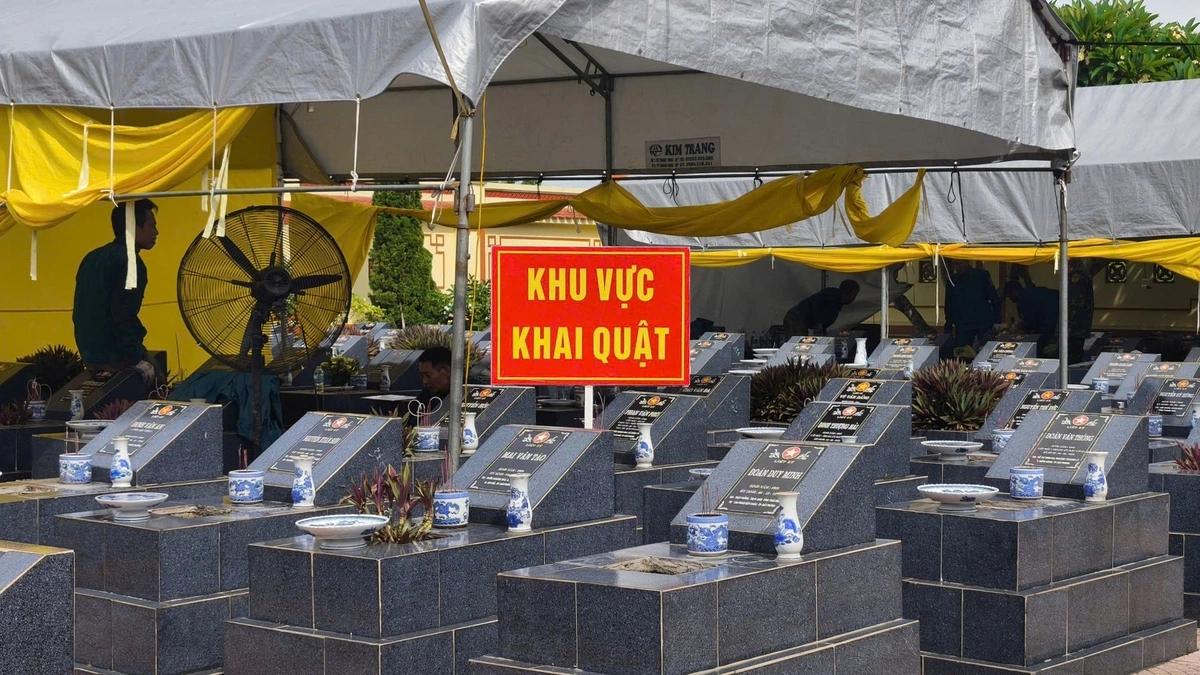
Hai Phong City is doubling its personnel to expedite DNA sample collection for 2,608 unidentified martyrs, aiming to complete the process by October 2026, three months ahead of schedule. The city was chosen as a model for Military Region 3 (Quân khu 3) to replicate the efforts. Hai Phong is home to 66,351 martyrs, with 2,608 unidentified remains across 383 cemeteries. The accelerated effort involves careful excavation and meticulous DNA sampling to identify these fallen soldiers. On May 19, 2026, teams worked at the Dong Thai Martyrs' Cemetery in An Hai ward, excavating seven unidentified graves. The process requires precision due to varying geological conditions and burial methods, as noted by Colonel Vu Kim Thang, Deputy Political Commissar of the Hai Phong City Military Command. He recounted challenges, such as locating a burial urn that was not vertically aligned, requiring specialized tools and local knowledge. Collected samples are coded, sealed, and preserved according to strict protocols at the Hai Phong City Forensic Center. Every Friday, these samples are transported to the Military Forensic Institute for DNA analysis. To meet the accelerated timeline mandated by the Military Region 3 Steering Committee for the search, collection, and identification of martyrs' remains, Hai Phong has increased its sampling teams from four to eight. Each team comprises four members, supported by excavation, security, logistics, and medical personnel, with local authorities ensuring the necessary resources. As of June 29, 2026, sampling has been conducted in 34 communes and wards across 78 cemeteries. 646 graves have been excavated, resulting in successful sample collection from 495, with 424 samples transferred to the Military Forensic Institute. The initial plan was to complete sampling by January 31, 2027. However, anticipating complex weather patterns, the accelerated deadline of October 2026 was set to ensure identification before the 80th anniversary of the Martyrs' and Wounded Soldiers' Day on July 27, 2027. Concurrently, the Hai Phong City Police and local governments are guiding and collecting DNA samples from relatives of unidentified martyrs. This includes samples from mothers, maternal grandmothers, maternal aunts, and siblings of the martyrs. For elderly or infirm relatives unable to travel, mobile collection services are provided, or transportation is arranged. Authorities caution the public against individuals exploiting the solemnity of this process for fraudulent purposes, particularly those promoting superstitious methods. All identification procedures are conducted free of charge and through official state channels. Information Source: VnExpress

多角的分析

経済的影響

このニュースは直接的な経済活動に結びつくものではないが、戦没者遺骨の身元特定は、国家の記憶の継承と社会の安定に寄与するという点で、間接的な経済効果を持つ。具体的には、国民の愛国心や一体感を醸成し、社会的な結束を高めることで、長期的な投資環境の安定化に貢献する可能性がある。また、DNA鑑定技術の向上や関連施設の整備は、バイオテクノロジー分野の発展を促す契機となりうる。

投資家心理

投資家にとって、このニュースは直接的な投資機会を示すものではない。しかし、ベトナム政府が国家の歴史的負債の清算や国民統合に積極的に取り組んでいる姿勢を示すものと解釈できる。これは、ベトナムの社会・政治的安定性への信頼を高め、長期的な投資環境の健全性を示す指標となりうる。特に、社会インフラやヘルスケア分野への投資を検討する投資家にとっては、ポジティブなシグナルと捉えられる可能性がある。

社会的影響

ハイフォン市における2,608柱の未特定戦没者遺骨の身元特定作業は、多くの遺族にとって長年の悲願達成に向けた重要な一歩である。作業の加速化は、失われた家族との繋がりを取り戻したいと願う高齢の遺族にとって、時間との戦いでもある。また、DNA鑑定技術の進展は、過去の戦争の犠牲者とその遺族の間の絆を、科学的な手段で再確認する機会を提供する。一方で、身元特定作業に便乗した詐欺行為への注意喚起は、社会が抱える脆弱性を示唆しており、公的機関による透明性の高い情報提供と厳格な監視が求められる。

市民の声

ハイフォン市民、特に戦没者の遺族にとって、このニュースは深い感動と希望をもたらすものである。長年、誰なのか分からないまま眠っていた家族の魂を安らかにしたいという願いが、現実のものとなりつつある。身元特定作業の加速は、高齢の遺族が生きている間に、愛する人の名前を取り戻せる可能性を高める。また、無料かつ公的な手続きが保証されていることは、遺族の安心につながる。しかし、身元特定作業を悪用した詐欺への懸念は、市民の不安要素ともなりうる。

背景・歴史的文脈

ベトナムでは、フランス植民地時代、ベトナム戦争、そしてその後の国境紛争など、数多くの歴史的な出来事により、膨大な数の戦没者が発生した。特にベトナム戦争(1955年-1975年)では、双方に多数の死傷者が出ており、その多くが身元不明のまま埋葬された。戦後、ベトナム政府は、これらの戦没者の遺骨を収集し、身元を特定する事業を継続的に行ってきた。これは、国家の記憶を維持し、国民の愛国心を醸成するとともに、失われた家族の魂を鎮めるという宗教的・文化的な側面も持つ。近年、DNA鑑定技術の進歩により、この身元特定作業はより科学的かつ効率的に行われるようになっている。ハイフォン市がモデルケースとして選ばれたのは、同市が多くの戦没者を擁し、過去の同様の事業で一定の成果を上げてきたためと考えられる。

原文ソース

VnExpress

原文を読む