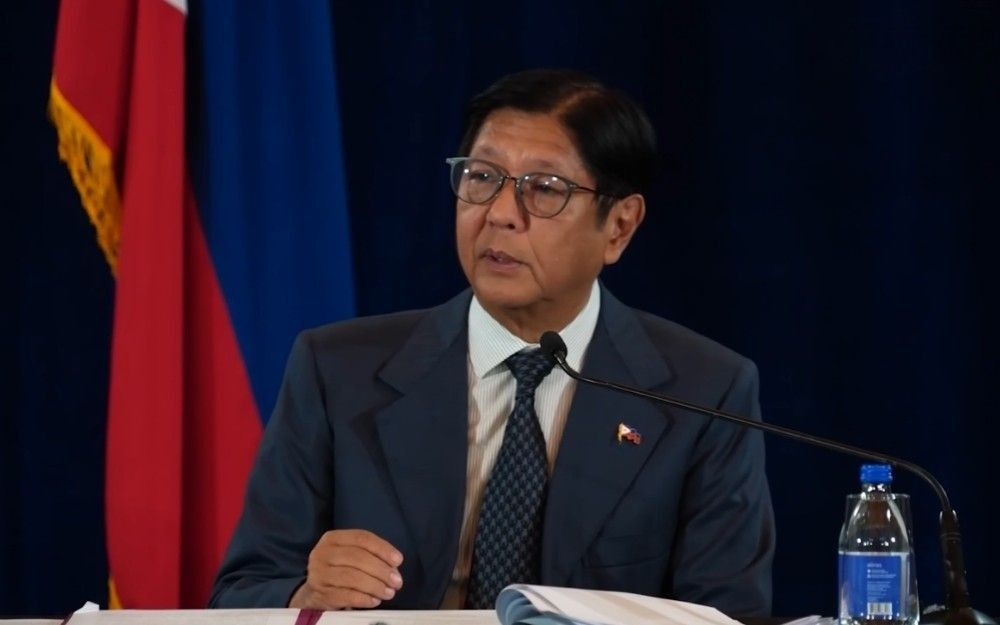
Marcos Jr. Satisfaction Rating Rebounds Slightly, But Dissatisfaction Remains High
Philippine President Marcos Jr.'s satisfaction rating saw a slight rebound in the latest survey after hitting a record low previously. However, a majority of Filipinos still expressed dissatisfaction with his performance.
MANILA, Philippines — Public satisfaction with President Marcos slightly improved in the second quarter of the year, although more Filipinos remain dissatisfied with his performance, a recent survey conducted by Social Weather Stations (SWS) showed. From a record low 33 percent in March, satisfaction with the President improved to 38 percent in the June 20 to 29 survey released Monday night. But more respondents were still dissatisfied – at 45 percent, from 49 percent. Undecided respondents hardly moved from 18 percent to 17 percent. Marcos’ net satisfaction rating improved from the record low “poor” -15 in March to “neutral” -7 in the latest poll. The net satisfaction rating is obtained by subtracting those who said they were satisfied from those who were dissatisfied with the performance of a government official. SWS classifies net satisfaction ratings of at least +70 as “excellent,” +50 to +69 as “very good,” +30 to +49 as “good,” +10 to +29 as “moderate,” +9 to -9 as “neutral,” -10 to -29 as “poor,” -30 to -49 as “bad,” -50 to -69 as “very bad,” and -70 and below as “execrable.” Survey data showed that Marcos had an average of +23 net satisfaction rating throughout his term. His record high was the “very good” +68 he obtained in December 2022. Based on the latest survey results, satisfaction with Marcos was highest among those in balance Luzon at 47 percent (from 42 percent), followed by those in the Visayas at 40 percent (from 34 percent), Metro Manila at 31 percent (from 28 percent) and Mindanao at 23 percent (from 20 percent). Conversely, dissatisfaction was highest among those in Mindanao at 59 percent (from 61 percent), followed by those in Metro Manila at 54 percent (from 59 percent), the Visayas at 44 percent (from 48 percent) and rest of Luzon at 36 percent (from 40 percent). Satisfaction with the President improved across most age groups and educational levels. The survey had 1,200 respondents and a margin of error of plus/minus three percent for national percentages.
多角的分析
マルコス大統領の支持率回復は、経済状況の改善期待と連動している可能性がある。特に、インフレ率の鈍化や雇用状況の安定化は、国民の生活実感に影響を与え、政権への評価に繋がる。しかし、依然として不満層が多いということは、経済政策の恩恵が国民全体に行き渡っていない、あるいは物価高騰などの課題が根強く残っていることを示唆している。今後の経済政策の具体性や、それが国民生活にどう影響するかが、支持率の更なる変動要因となるだろう。
大統領の支持率動向は、フィリピン経済への投資判断において重要な指標の一つとなる。今回の支持率小幅回復は、一定の政治的安定性を示唆するものの、依然として不満層が多いという事実は、政策の不確実性や潜在的な社会不安への懸念を残す。投資家は、インフレ抑制、インフラ投資、外国直接投資の誘致といった政権の経済政策の実行力と、それがもたらす実質的な経済成長を注視する必要がある。特に、南シナ海情勢など地政学リスクへの対応も、長期的な投資環境に影響を与える可能性がある。
マルコス大統領の支持率が過去最低から小幅回復したものの、不満層が依然として多数を占めている状況は、フィリピン社会における根深い課題を示唆している。特に、首都圏やミンダナオ島といった地域での不満の高さは、地域格差や経済的機会の不均等といった問題が、国民の政治への評価に大きく影響していることを示している。また、満足度が改善した層と不満が残る層の間には、経済的状況や情報へのアクセス、政治的期待値の違いが存在すると考えられる。この状況は、国民の多様なニーズに応え、社会全体の包摂性を高めるための政策運営の難しさを示している。
今回の調査結果は、多くのフィリピン国民が、大統領のパフォーマンスに対して依然として厳しい目を向けていることを示している。特に、物価高や雇用不安といった日々の生活に直結する問題に対する政府の対応に、不満を感じている層が少なくない。支持率の小幅な回復は、一部の政策が奏功している可能性もあるが、生活水準の向上や将来への希望といった、より根本的な部分での変化を求める声が根強く存在すると考えられる。地方や都市部、異なる所得層の間で、大統領への評価にばらつきがあることも、国民の多様な期待を反映していると言える。
背景・歴史的文脈
フィリピンにおける大統領の支持率は、過去から常に経済状況や社会問題と密接に連動してきた。特に、インフレ、雇用、貧困といった国民生活に直接影響する課題への対応が、国民の政権評価を左右する主要因となっている。マルコス大統領は、前政権から引き継いだ経済的課題に加え、南シナ海における中国との緊張関係といった地政学的な問題にも直面している。過去の調査では、歴代政権も経済政策の失敗や汚職問題などで支持率を大きく落とすケースがあり、国民の政治への期待と現実との乖離が、支持率の変動に影響を与えてきた。
原文ソース
Philstar Nation