General articles are free for 24 hours after publish.
Vietnam's Ethnic Minorities Harvest 'Wild Chili' for Income
Ethnic minority communities in Vietnam's central highlands are harvesting a wild chili known as 'ot moi' from forests and rubber plantations, turning it into a valuable income source. This chili, prized for its unique aroma and intense heat, is a staple in local cuisine.
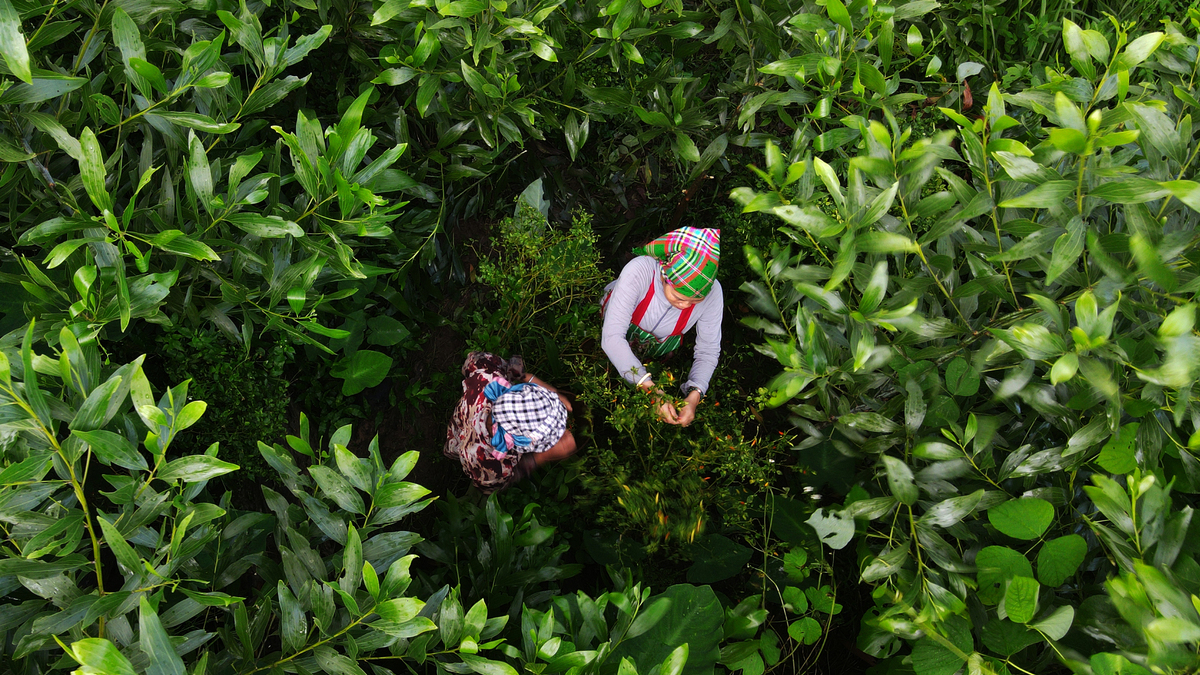
In Dan Hoa commune, Quang Tri province, the Chut and Bru-Van Kieu ethnic minorities are harvesting a wild chili known as 'ot moi' (also called 'ot xiem' or 'ot hiem') from forests and rubber plantations. This chili, prized for its unique aroma and intense heat, is not only a staple spice in local cuisine but also a valuable source of income. The 'ot moi' season runs from April to September. The seeds are spread by birds that consume the chili peppers. They thrive in areas with rich, fertile soil and good sunlight, such as in sparse rubber forests. The harvested chilies are used as spices at home and sold in markets and to local eateries, contributing to the local economy. Dan Hoa commune, bordering Laos, is home to nearly 10,000 people, over 98% of whom are from the Bru-Van Kieu and Chut ethnic groups. Their livelihoods primarily depend on slash-and-burn farming, forest products, and animal husbandry. Chili peppers are a daily necessity in their diet. In recent years, some residents have attempted to cultivate the wild chili by transplanting seedlings near their homes or in communal areas. However, many note that chilies grown in their natural forest environment retain a superior flavor and heat compared to those cultivated elsewhere. The small but potent 'ot moi' enhances the taste of various dishes, including meat, fish, and wild vegetables. Beyond fresh sales, the chilies are also processed into pickled and dried products. Fresh chilies are sold for VND 250,000-350,000 per kilogram (approximately $10-14 USD), while dried chilies fetch around VND 500,000 per kilogram ($20 USD). However, most families preserve dried chilies for their own consumption. For families with extensive land, harvesting these wild chilies provides additional income from natural resources. In Vietnam's one-party system, the economic self-sufficiency and improved living standards of ethnic minority communities in remote areas are key government policy priorities. Initiatives that leverage local resources like this wild chili are seen as part of these broader development efforts.
Original source
VnExpress