Indigenous Communities Seek Legal Recognition of Sacred Sites, Burial Grounds in Cambodia
Society
2026年7月18日
4
Phnom Penh Post

General articles are free for 24 hours after publish.

Indigenous Communities Seek Legal Recognition of Sacred Sites, Burial Grounds in Cambodia

Share
AI Summary

Indigenous Chong and Por communities in Cambodia's Pursat province have requested the government register sacred forests and burial grounds as collective community land, hoping to preserve cultural heritage and enable tourism development.

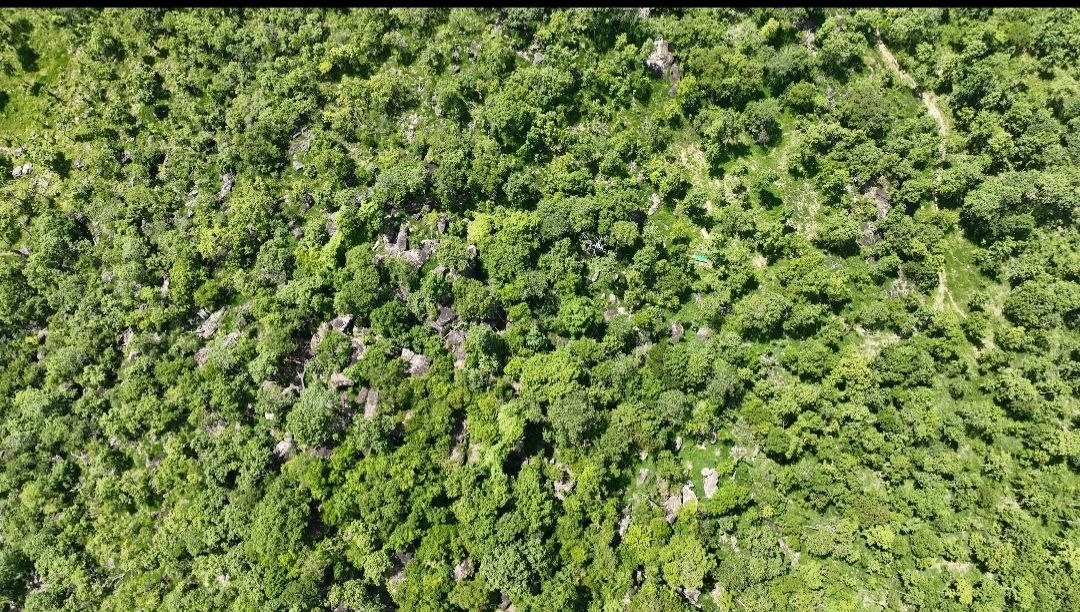
More than 60 families from the indigenous Chong and Por communities in Pursat province’s Phnom Kravanh district have requested that several hectares of sacred forest and burial grounds be registered as collective community land. Their goal is to secure legal recognition while preserving their cultural identity, traditions and customary practices. Sarou Vuth, head of the Dai Kou Samrong Community in Ta Des village, Samrong commune, noted that 30 of the applicant families are Por and 35 are Chong. The communities maintain their traditional livelihoods, relying heavily on non-timber forest products for household consumption and supplementary income. Vuth explained that the community members wish to preserve their indigenous customs, particularly their sacred forest and burial grounds. They are therefore requesting the formal registration and protection of a 24-hectare sacred forest known as Phnom Preah Ang (Sacred Spirit Forest), along with a separate four-hectare burial ground. Formal demarcation and registration of these sites would help safeguard the identity of the Indigenous communities, conserve natural resources, prevent land encroachment and enhance the area’s potential for tourism. Son Saroeun, chief of Ta Des village, noted that the areas in question are ancestral sites of the Chong and Por indigenous peoples. Their traditions encompass both intangible and tangible cultural heritage. The intangible aspects include spiritual beliefs, rituals, prayers and ancestral ceremonies, while the tangible aspects refer to the sacred places where these rituals are performed. Touch Sophany, community development project manager at Wildlife Alliance, said that the REDD+ Samkos Project currently supports 27 communities across Pursat and Battambang provinces. In Ta Des Village, Wildlife Alliance is assisting the community in securing recognition of their traditional rights so that they can continue to access and use these areas and practice their spiritual beliefs, which have been passed down for centuries. He added that formal registration is intended to ensure that community members can continue using these lands in accordance with their ancestral customs and traditions. Khvay Atitya, spokesperson for the Ministry of Environment, who led a media tour of the area on July 16, acknowledged that the sacred forest and burial grounds of the Dai Kou Samrong Community in Ta Des village are culturally significant sites for the Chong and Por indigenous peoples. Beyond their cultural significance, he noted that they also have considerable potential as community-based tourism destinations. He said the ministry will work to ensure the clear demarcation of these sites for the benefit of the local community and expressed hope that they will contribute to community well-being, family livelihoods, and the country’s socio-economic development.

0

Original source

Phnom Penh Post

原文を読む