Papua Special Autonomy Funds to Enhance Transparency Through 5T Strategy
Indonesia's Deputy Home Affairs Minister is pushing for the '5T Strategy' to optimize the management of Papua's Special Autonomy (Otsus) funds. This strategy focuses on precise targeting, streamlined administration, maximized benefits, appropriate amounts, and timely execution, aiming to address long-standing issues like complex bureaucracy, low budget absorption, and high residual balances.
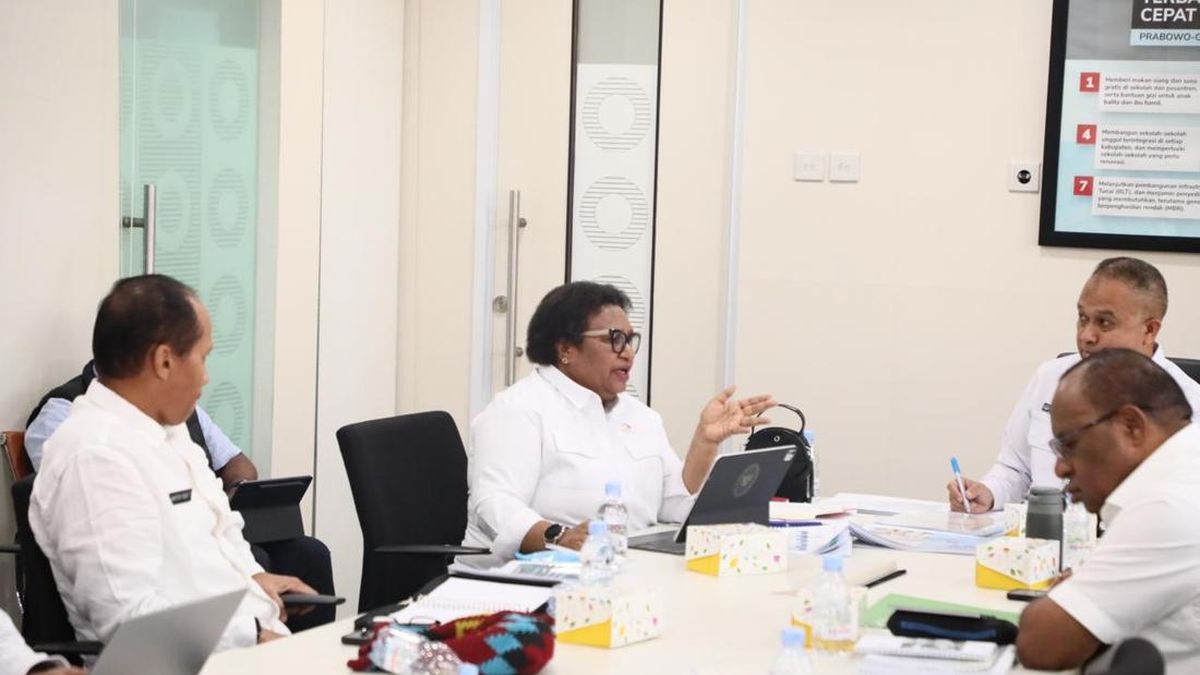
Deputy Home Affairs Minister Ribka Haluk is pushing for the optimization of the management of Papua's Special Autonomy (Otsus) funds through the '5T Strategy'. This strategy encompasses five key aspects: precise targeting (tepat sasaran), streamlined administration (tepat administrasi), maximized benefits (tepat manfaat), appropriate amounts (tepat jumlah), and timely execution (tepat waktu). Haluk presented this strategy during a plenary meeting of the Executive Committee for the Acceleration of Papua Special Autonomy Development (KEPP) at the KEPP Office, Pramuka Kwarnas Building, Jakarta, on Wednesday (1/7). She stated that the concept was specifically designed for local governments across the Land of Papua to follow. "This is a concept that I deliberately created for our friends in the regions [across the Land of Papua] to follow," she said in a written statement on Wednesday (1/7). According to Ribka, this reform in governance is crucial because the management of Otsus funds has long been plagued by persistent issues. These include complex administrative processes, low budget absorption rates, and significant residual balances (SiLPA) in various Papuan regions, which are recurring concerns. She explained that starting from July 2025, the Ministry of Home Affairs will gradually implement reforms in Otsus fund management. This will involve administrative guidance, digitalization of regional financial management systems, performance-based monitoring, and a comprehensive overhaul of governance. These processes will be carried out through intensive assistance to the regions in the Land of Papua. The Ministry of Home Affairs is also strengthening coordination with regional heads to ensure that information regarding Otsus funds does not solely remain at the technical implementation level. Ribka noted that on-the-ground challenges are often known by implementing staff, while regional heads frequently receive information late. Direct communication with governors and regents is being established so that regional leaders can monitor budget positions in real-time. "So, that is the stage I am undertaking, how we communicate with the regional leaders, so that the governor knows the current status of the special autonomy funds," she said. She believes these efforts are beginning to yield positive results. For the first time in recent years, the realization of Otsus funds for the 2025 fiscal year reached 100 percent without any residual SiLPA. Ribka attributes this achievement to a combination of strategic steps undertaken by the Ministry of Home Affairs and regional governments, with simplified governance, continuous assistance, and the integrated application of the Regional Government Information System (SIPD) being key. This integrated system makes the budget planning process more measurable from the outset. Field implementation can be monitored periodically, allowing potential delays to be detected more quickly. The accountability process for fund utilization also becomes more effective and efficient due to digitalization, moving away from manual reports prone to delays. For information, the plenary meeting of KEPP Otsus Papua was also attended by KEPP Otsus Papua Chairman Velix Vernando Wanggai, along with other KEPP members including John Wempi Wetipo, Ignatius Yogo Triyono, Ali Hamdan Bogra, Gracia Josaphat Jobel Mambrasar, and Juharson Estrella Sihasale. Source: CNN Indonesia
多角的分析
パプア特別自治州(Otsus)の資金管理改革は、地域経済の持続可能性と住民福祉の向上に直接影響します。過去のSiLPA(予算残高)の多さは、本来地域開発や住民サービスに充てられるべき資金が滞留していたことを示唆しており、経済的機会の損失に繋がっていました。5T戦略による資金の「適正な金額(tepat jumlah)」と「期限厳守(tepat waktu)」の徹底は、計画的な予算執行を可能にし、地域経済への資金流入を促進する可能性があります。また、「最大限の効果(tepat manfaat)」は、投資対効果の高いプロジェクトへの資金配分を促し、経済成長の基盤強化に寄与すると考えられます。デジタル化による透明性の向上は、不正流用や非効率な支出を防ぎ、限られた財源をより有効に活用するための重要な一歩です。
Otsus資金の管理改革は、パプア地域への直接投資を検討する投資家にとって、リスク評価の重要な要素となります。改革によって資金の透明性と執行効率が向上すれば、地域開発プロジェクトへの信頼性が高まり、インフラ投資や資源開発などへの民間資金の流入が促進される可能性があります。特に、5T戦略の「正確な対象への配分(tepat sasaran)」と「最大限の効果(tepat manfaat)」は、投資対象となるプロジェクトの選定基準の明確化に繋がり、投資判断における不確実性を低減させる効果が期待できます。しかし、改革の進捗や実効性については、引き続き注視が必要です。
パプア特別自治州の資金管理改革は、地域住民の生活に直結する問題です。長年にわたる予算執行の遅延やSiLPAの多さは、教育、医療、インフラ整備といった住民が最も必要とするサービスへのアクセスを阻害する一因となってきました。5T戦略による「正確な対象への配分(tepat sasaran)」と「最大限の効果(tepat manfaat)」の徹底は、これらのサービスがより迅速かつ効果的に提供されることを期待させます。また、行政手続きの簡素化(tepat administrasi)は、住民が行政サービスを受けやすくなることを意味します。しかし、改革の恩恵が地域社会の隅々にまで行き渡るためには、情報格差の解消や、住民参加型のモニタリング体制の構築が不可欠です。特に、地方のコミュニティが改革の進捗を実感できるような具体的な事例の共有が求められます。
今回の内務副大臣の発表は、パプアの住民にとって、長年の懸案であった特別自治州資金の不正や非効率な管理に対する改善の兆しとなる可能性があります。これまで、教育や医療、インフラ整備といった住民生活に不可欠な分野への資金投入が遅れたり、十分でなかったりする背景には、資金管理の不透明さや行政手続きの煩雑さがありました。5T戦略、特に「正確な対象への配分」と「最大限の効果」が具体的にどのように実施され、住民の日常生活にどのような改善をもたらすかが、今後の注目点です。例えば、これまで学校建設や医療施設の整備が遅れていた地域で、計画通りに事業が進むようになるか、といった点が市民の関心事となるでしょう。
背景・歴史的文脈
パプア特別自治州(Otsus)は、インドネシア政府がパプア地域への開発と住民の福祉向上を目的として、2001年に制定した法律に基づき、追加的な財政支援を提供する制度です。しかし、長年にわたり、Otsus資金の管理・執行における不透明さ、予算執行率の低さ、不正流用疑惑などが指摘されてきました。特に、複雑な行政手続きや、地域間のインフラ格差、そして一部地域での紛争などが、資金の有効活用を妨げる要因となってきました。過去には、中央政府がOtsus資金の管理体制を強化するための法改正や、地方政府への指導を強化する動きがありましたが、根本的な課題解決には至っていませんでした。今回の5T戦略は、これらの課題に対処し、資金の透明性と効率性を高めることを目指す、内務省主導の新たな取り組みと言えます。
原文ソース
CNN Indonesia