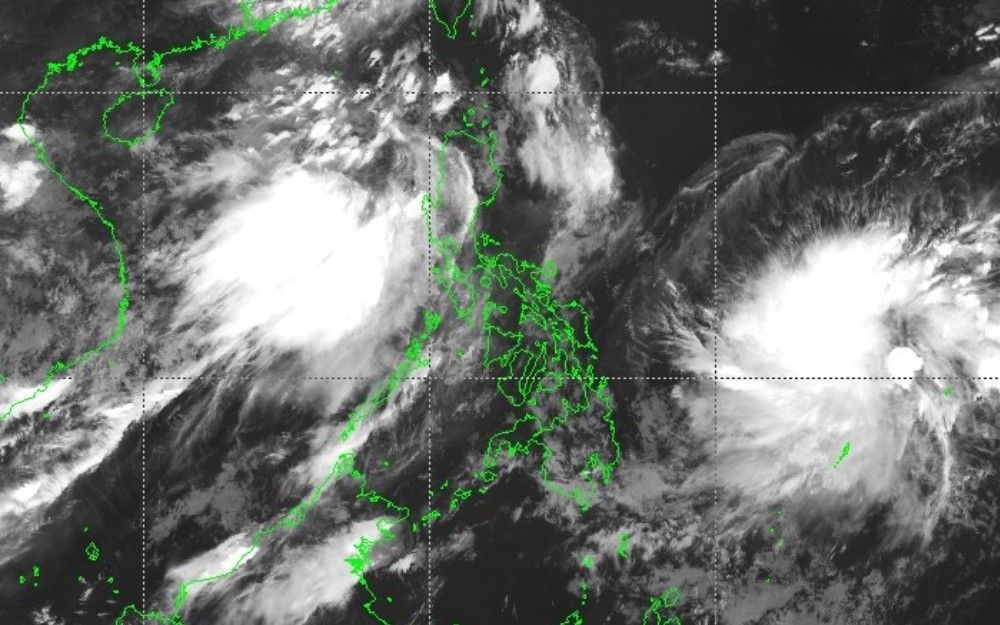
Habagat Rains to Linger Over Metro Manila, Parts of Luzon
The southwest monsoon, locally known as habagat, is expected to bring scattered rains and thunderstorms to Metro Manila and several parts of Luzon, according to the Philippine weather bureau PAGASA. Flood and landslide risks were also flagged in affected areas.
Metro Manila and several parts of Luzon are expected to continue experiencing scattered rains and thunderstorms as the southwest monsoon, locally known as habagat, affects the archipelago, the state weather bureau PAGASA announced. PAGASA's public weather forecast indicated that the habagat is currently influencing Luzon. Metro Manila, the Ilocos Region, Cordillera Administrative Region, Zambales, Bataan, Tarlac, Pampanga, Bulacan, Cavite, Laguna, Batangas, Rizal, Occidental Mindoro, Oriental Mindoro, and Palawan may anticipate cloudy skies with scattered rains and thunderstorms due to the monsoon. These areas are warned of possible flash floods or landslides due to moderate to heavy rainfall. For the rest of Luzon, partly cloudy to cloudy skies with isolated rain showers or thunderstorms are forecast, also attributed to the southwest monsoon. Flash floods or landslides may occur during severe thunderstorms. Meanwhile, Visayas and Mindanao are likely to have partly cloudy to cloudy skies with isolated rain showers or thunderstorms due to localized thunderstorms. A low-pressure area outside the Philippine area of responsibility is being monitored for potential development into a tropical depression. As of 2 a.m. Monday, July 13, PAGASA reported a medium chance of this LPA developing into a tropical depression within the next 24 hours. However, it has not been indicated whether the LPA is expected to enter PAR or directly affect the country. Regarding coastal conditions, moderate to strong winds from the southwest to south will prevail over Luzon, where coastal waters will be moderate to rough, with waves ranging from 1.5 to 3.1 meters. Visayas and Mindanao are expected to have light to moderate winds from the southeast to south, with slight to moderate coastal waters of 0.6 to 2.1 meters. In the context of the Philippines, monsoon seasons often bring significant rainfall, impacting infrastructure and daily life. Urban areas frequently experience flooding due to limitations in drainage capacity, while rural areas face increased landslide risks. For the Philippines, a major source of overseas workers (OFWs), domestic infrastructure conditions and weather events can affect remittances and travel plans for families. Amidst ongoing tensions in the South China Sea, meteorological information is often monitored alongside security updates.
多角的分析
モンスーンによる大雨は、農業生産に直接的な影響を与え、特に米や野菜の収穫量を減少させる可能性があります。これにより、国内の食料品価格、特に生鮮食品の価格が上昇し、家計を圧迫することが懸念されます。また、インフラへの被害、特に道路や橋梁の損壊は、物流コストを増加させ、経済活動全体に遅延をもたらす可能性があります。過去のモンスーン期においても、同様の経済的影響が観測されており、政府は災害復旧と農業支援策を迅速に実施する必要があります。
短期的な投資家にとっては、インフラ関連企業や建設セクターに一時的な機会が生まれる可能性がありますが、長期的な視点では、気候変動による災害リスクの増加が、フィリピン経済全体の安定性を損なう要因となり得ます。特に、不動産や保険セクターは、災害による資産価値の低下や保険金支払いの増加リスクに直面する可能性があります。投資判断においては、気候変動への適応策を講じている企業や、災害リスクに強いインフラプロジェクトへの投資がより安全と考えられます。
首都圏マニラでは、排水インフラの脆弱性から、ハバガットによる雨が頻繁に浸水を引き起こし、多くの住民の日常生活に深刻な影響を与えています。特に、低所得者層が多く居住する地域では、家屋の浸水や衛生状態の悪化が健康被害につながるリスクが高まります。また、地方では、突然の鉄砲水や地滑りが発生し、人命や財産が失われる悲劇が繰り返されています。これらの災害は、地域社会の復旧努力を困難にし、住民の不安を増大させています。例えば、2021年の台風オデット(ライ)による甚大な被害は、インフラ整備の遅れと災害対策の重要性を改めて浮き彫りにしました。
フィリピン市民、特にマニラ首都圏やルソン島沿岸部に住む人々にとって、ハバガットによる雨は、単なる気象現象以上の意味を持ちます。それは、通勤・通学の困難、家屋への浸水、そして食料品価格の上昇といった、日々の生活に直結する問題を引き起こします。過去の経験から、多くの市民は雨季の到来と共に、浸水対策や食料の備蓄を始めます。しかし、インフラの限界や災害への対応能力の不足から、被害は避けられない場合が多く、住民の不安は常に存在します。特に、低所得者層は、災害からの復旧に最も苦労する層であり、社会的な支援が不可欠です。
背景・歴史的文脈
フィリピンは熱帯モンスーン気候に属し、年間を通じて降水量が多く、特に6月から11月にかけては南西モンスーン(ハバガット)の影響を強く受けます。この時期には、しばしば大雨や台風が発生し、鉄砲水や地滑りといった自然災害を引き起こします。過去には、2009年の台風ケツアナ(オンドイ)や2020年の台風ヴォンフォン(パンロン)などが、甚大な被害をもたらしました。これらの災害は、フィリピンの脆弱なインフラ、特に都市部の排水システムや地方の道路網の整備不足を浮き彫りにし、政府による災害対策とインフラ投資の必要性を常に提起しています。
原文ソース
Philstar Nation