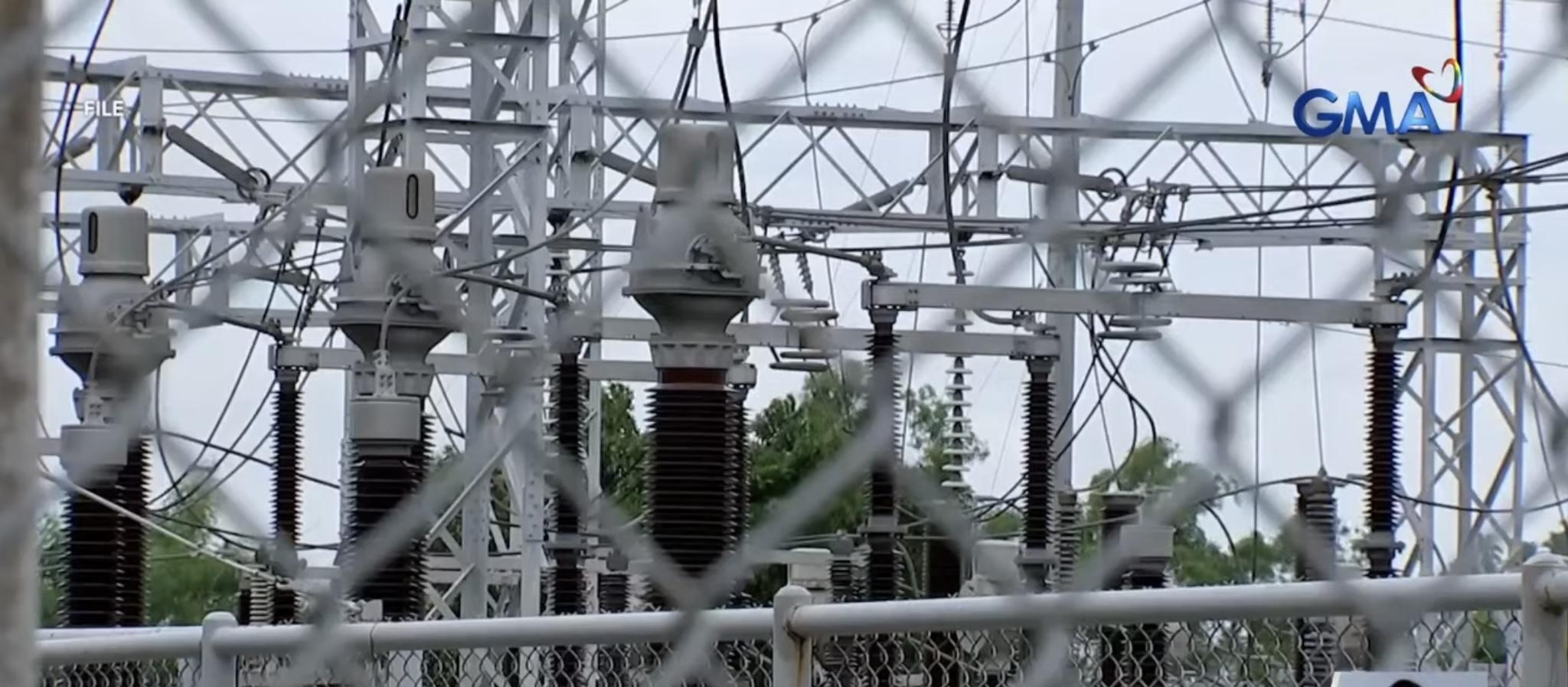
Visayas Grid Faces Yellow Alert for 3 Hours Due to Tight Supply
The Visayas grid in the Philippines will be under a yellow alert for three hours on the afternoon of July 13, 2026, due to increased demand and the unavailability of major coal power plants. This status indicates insufficient operating margin and may lead to slightly higher electricity costs.
The Visayas grid in the Philippines will be placed under a yellow alert status anew for three hours starting Monday afternoon (July 13, 2026), due to an increase in the demand forecast as major coal plants in the region remain unavailable. According to the National Grid Corporation of the Philippines (NGCP), the Visayas grid will be on yellow alert — indicating that the operating margin is insufficient to meet the transmission grid’s contingency requirement — from 5 p.m. to 8 p.m. on Monday, July 13, 2026. Based on the NGCP’s 2 p.m. update, the grid was reported to have an available capacity of 2,602 megawatts (MW) against a peak demand of 2,376 MW, as 940.6 MW remain unavailable to the grid. This comes amid the unavailability of coal plants Therma Visayas Inc. (TVI) units 1 and 2, and the recent outage of Palm Conception Power Corp. (PCPC) which supplies 135 MW. Energy Secretary Sharon Garin already earlier ordered the immediate restoration of major power plants in the region, and instructed the Visayas Field Office to inspect and coordinate with the concerned generation companies to ensure that they are back online “safely and promptly.” The Department of Energy (DOE) said that while there is no direct correlation between the declaration of yellow and red alerts on electricity rates, the thin power supply forced the use of more expensive diesel power plants, which could slightly raise power costs. —KG, GMA News
多角的分析
ビサヤス地方の電力供給逼迫は、経済活動の停滞リスクを高めます。特に、電力は産業活動の基盤であり、供給不安は企業の生産コスト増加や投資意欲の減退に直結します。さらに、ディーゼル発電所の利用増加は、発電コストの上昇を通じて、産業用・家庭用双方の電気料金の上昇圧力となります。これは、インフレ懸念が高まるフィリピン経済にとって、さらなる負担となる可能性があります。過去にも、電力不足は経済成長の足かせとなる事例が複数報告されています。
今回のイエローアラートは、フィリピンのエネルギーインフラへの投資リスクを再認識させるものです。発電能力の不足や、主要発電所の稼働率の低さは、将来的な電力供給の安定性に対する懸念を生じさせます。投資家は、電力セクターへの投資判断において、発電所のメンテナンス体制、代替エネルギー源への移行計画、そして政府のエネルギー政策の実行力などをより慎重に評価する必要に迫られます。特に、再生可能エネルギーへの投資は、長期的な視点では有望ですが、短期的な供給安定化策も不可欠です。
ビサヤス地方の住民にとって、電力不足は日常生活に直接的な影響を与えます。停電のリスクは、家庭での冷房利用を制限し、特に暑い時期には熱中症のリスクを高めます。また、BPO(ビジネス・プロセス・アウトソーシング)産業など、電力依存度の高い産業が集中する地域では、事業継続への懸念が生じ、雇用への影響も無視できません。さらに、電力料金の上昇は、家計を圧迫し、生活必需品への支出を削らねばならない状況を生み出す可能性があります。
ビサヤス地方の市民は、電力供給の不安定さから、日常生活への影響を懸念しています。特に、猛暑が続く時期に、冷房が使えなくなることは、健康上のリスクを高めます。また、電気料金の上昇は、すでに物価高に苦しむ家計にとって、さらなる負担となります。学生は、オンライン学習や宿題に支障が出る可能性を心配し、商店主は、冷蔵・冷凍設備への影響を案じています。政府には、安定した電力供給と、手頃な料金の維持が強く求められています。
背景・歴史的文脈
フィリピンでは、特に夏季の電力需要増加と、発電所のメンテナンス不足、老朽化が電力供給の不安定化の主な原因として長年指摘されてきました。2026年7月13日のビサヤス地方のイエローアラートは、過去にも繰り返されてきた電力需給の逼迫という構造的な問題を再浮上させるものです。主要な石炭火力発電所の停止は、燃料供給の不安定さや、環境規制への対応、あるいは予期せぬ設備トラブルなどが複合的に影響していると考えられます。フィリピン政府は、再生可能エネルギーの導入拡大や、発電所の近代化・増強を推進していますが、その実行には課題も多く、電力供給の安定化は依然として喫緊の課題となっています。
原文ソース
GMA Money Philippines