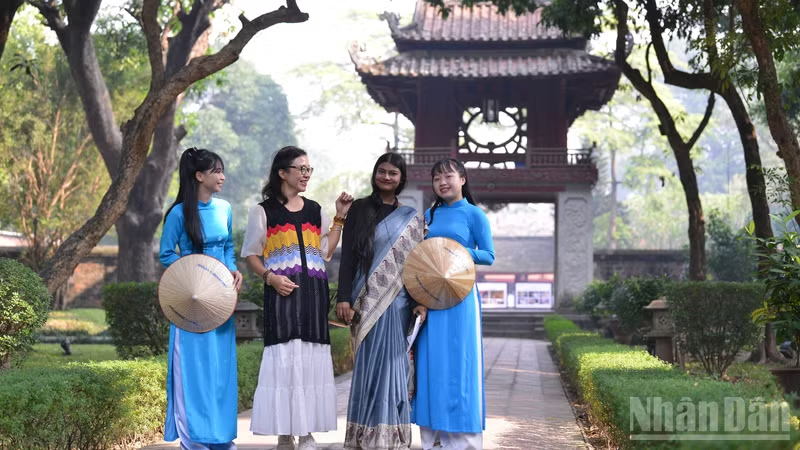
Vietnam Exceeds H1 Tourism Target, Sustaining Growth Momentum
Culture
2026年7月4日
3
Nhan Dan
Relations
🇻🇳Vietnam🇨🇳China

Vietnam Exceeds H1 Tourism Target, Sustaining Growth Momentum

AI サマリー

Vietnam welcomed approximately 12.3 million international visitors in the first half of 2026, a 14.9% increase year-on-year. Visa policy enhancements, expanded international air connectivity, and improved service quality are driving this growth, with tourism now a key economic engine.

In the first half of 2026, Vietnam welcomed approximately 12.3 million international tourists, marking a 14.9% increase compared to the same period in 2025. This growth is attributed to ongoing promotional efforts in key markets, effective visa policies, expanded international air connectivity, and enhanced quality of products and services. Tourism has solidified its position as a crucial driver of Vietnam's economic growth. New cultural and tourism products, such as wedding tourism, are gaining traction. Efforts are also underway to enhance the value of community-based tourism, including through the application of OCOP (One Commune One Product) standards. Under Vietnam's single-party system, economic growth is a key pillar of national legitimacy, with tourism development being a strategic objective. In its relations with China, Vietnam continues to balance economic interdependence with diplomatic maneuvering. The rise in tourist numbers is expected to not only boost foreign exchange earnings but also revitalize regional economies and improve the quality of life for its citizens.

多角的分析

経済的影響

ベトナムの観光客数増加は、外貨獲得、雇用創ち、関連産業への波及効果を通じて、経済成長に直接的に貢献している。特に、ビザ緩和や航空便拡充といった政策的後押しは、国際的な競争力を高め、持続的な成長基盤を強化する。OCOP基準の活用は、地域経済の活性化と国内産業の育成にも繋がる。

投資家心理

観光客数の堅調な伸びは、ホテル、航空、飲食、小売業など、観光関連セクターへの投資機会の拡大を示唆している。ビザ政策の継続的な緩和や国際線の増加は、海外からの直接投資を呼び込む可能性を高める。ただし、インフラ整備の遅れやサービス品質のばらつきは、潜在的なリスク要因となりうる。

社会的影響

観光客の増加は、地方経済の活性化に貢献し、新たな雇用機会を生み出す。特に、結婚式観光や地域資源を活用した観光は、伝統文化の保存・継承を促進し、地域社会のアイデンティティ強化に繋がる可能性がある。一方で、観光客の集中による環境負荷や、地域住民との摩擦が生じないような持続可能な観光開発が求められる。

市民の声

観光客の増加は、地方の若者にとって都市部への流出を抑制し、地元での雇用機会を増やす可能性がある。また、OCOP製品のような地元の特産品が観光客に評価されることは、生産者のモチベーション向上に繋がる。しかし、観光地周辺の物価上昇や、インフラ整備の恩恵が一部地域に偏る可能性も懸念される。

背景・歴史的文脈

ベトナムは、1986年のドイモイ(刷新)政策以降、市場経済化を進め、経済成長を最優先課題としてきた。観光業は、外貨獲得、雇用創ち、インフラ開発の促進といった多角的な経済効果が期待できるため、国家戦略として重視されている。特に、近年のビザ緩和策(最長45日間の無査証滞在、複数回入国可能な長期ビザの発給など)は、欧米やアジア太平洋地域の主要国からの観光客誘致に大きく貢献している。また、国際航空連盟(IATA)のデータによれば、ベトナムは航空インフラへの投資を積極的に行っており、国際線の拡充を後押ししている。これは、中国との経済的結びつきを維持しつつも、経済多角化を図るベトナムの外交戦略とも連動している。

原文ソース

Nhan Dan

原文を読む