General articles are free for 24 hours after publish.
Raja Ampat Nickel Mining: Greenpeace Urges Automotive Industry to Disclose Supply Chains
Greenpeace Indonesia has raised concerns that nickel mining in Raja Ampat is impacting the electric vehicle (EV) supply chain, urging automotive manufacturers to improve supply chain transparency. Protests at GIIAS 2026 called for a "just energy transition" free from environmental destruction.
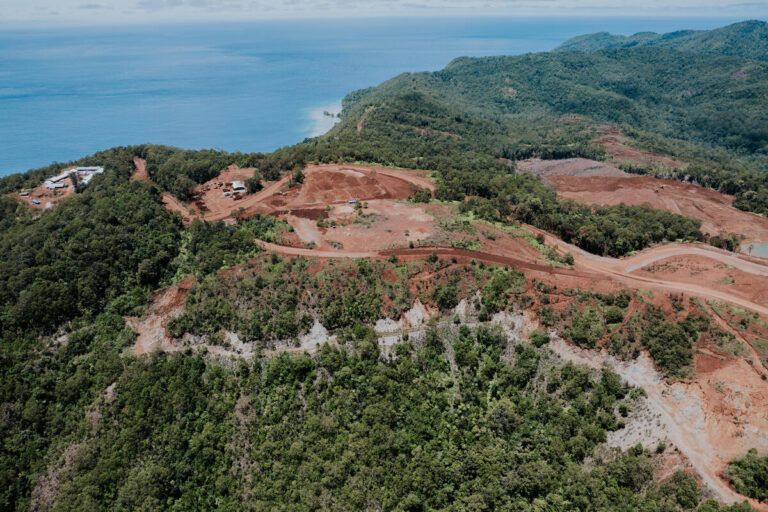
Greenpeace Indonesia has raised concerns that nickel mining in Raja Ampat, a renowned tourist destination, is negatively impacting the electric vehicle (EV) supply chain, urging automotive manufacturers to enhance supply chain transparency. During a peaceful protest held concurrently with the opening of the Gaikindo Indonesia International Auto Show (GIIAS) 2026 in BSD, Tangerang, on Thursday (30/7/26), activists displayed banners with slogans such as "Protect Raja Ampat, Stop Dirty Energy" and "Is Your Car Powered by Forest Destruction?" They voiced their concerns regarding nickel mining development in Raja Ampat. Arie Rompas, Forest Campaign Team Leader at Greenpeace, stated, "Raja Ampat is not yet truly protected from the extractive industry! Nickel from PT Gag is indicated to flow into the Weda Bay Nikel industry, which is then indicated to flow into battery and electric car companies." He urged electric vehicle companies to promptly open up their supply chain data. He emphasized that automotive brands must ensure their supply chains do not originate from the destruction of small islands and forests. He also encouraged consumers to continuously question whether the electric car products they are considering are truly environmentally friendly. Despite the government revoking four nickel mining business permits (IUPs) in Raja Ampat over a year ago due to public pressure, the region is not entirely free from nickel mining. The IUP of PT Gag Nikel (Gag) continues on Gag Island, Raja Ampat Regency, Southwest Papua Province. The subsidiary of state-owned mining company PT Aneka Tambang (Antam) Tbk controls a concession of 13,136 hectares, covering the entire landmass of the island and half of its waters. This situation highlights the challenges Indonesia faces in balancing sustainable resource development with environmental protection amidst the accelerating transition to EVs. The growing demand for nickel, a key component in EV batteries, underscores the importance of ensuring responsible mining practices while minimizing environmental impact.
Original source
Mongabay Indonesia