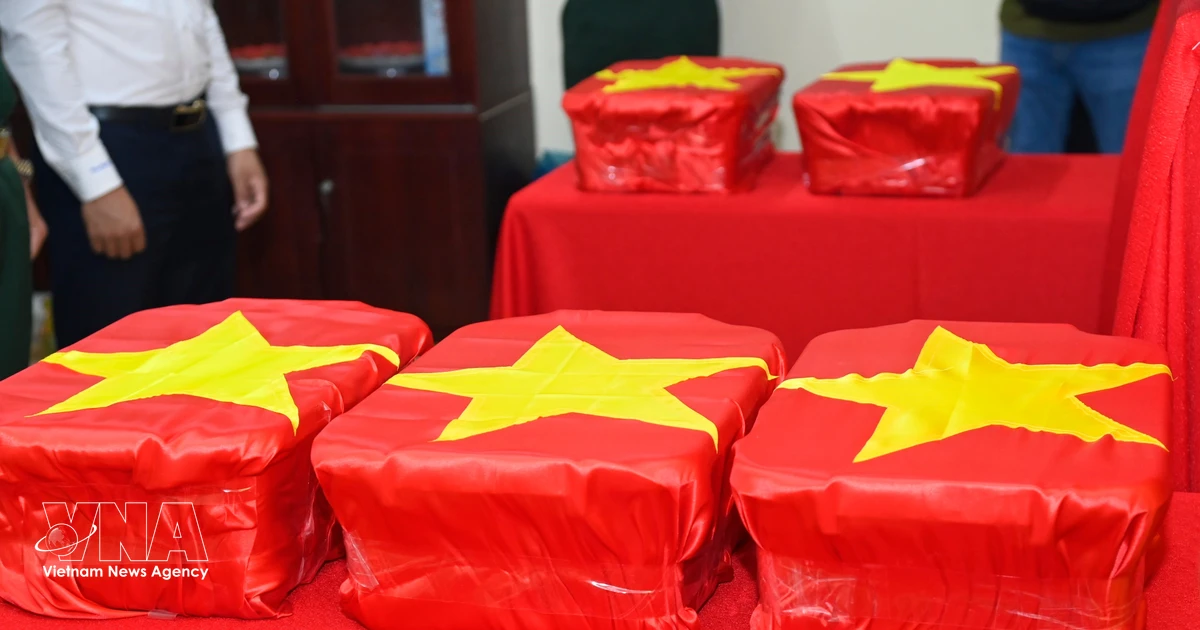
Vietnam begins DNA analysis of unidentified martyrs' remains
Technology
2026年7月8日
3
VietnamPlus English

Vietnam begins DNA analysis of unidentified martyrs' remains

AI サマリー

Vietnam has begun transferring DNA samples from unidentified martyrs' remains for analysis, aiming to identify fallen soldiers and fulfill the long-standing aspirations of their families, demonstrating the nation's gratitude.

Ca Mau has begun transferring DNA samples from the remains of unidentified martyrs for analysis, a move that underscores Vietnam's commitment to identifying fallen soldiers and fulfilling the long-standing aspirations of their families. This initiative is part of a broader national effort to honor those who sacrificed their lives for the country. During the dry season, search teams explored 173 locations, excavating over 130,246 cubic meters of earth and recovering the remains of 170 fallen soldiers. Of these, 128 were found in Cambodia and 42 in An Giang province. The remains of one fallen soldier were also identified in Ba Chuc commune. Initial screening of records related to fallen soldiers, military campaigns, battles, and key operational areas has identified numerous files that could provide crucial leads for the ongoing search, recovery, and identification of fallen soldiers' remains. The launch of the search and recovery operation for martyrs' remains at Le Thi Rieng Park in Ho Chi Minh City on July 6 is part of a nationwide 500-day campaign initiated in April in Quang Tri province, ahead of the 80th anniversary of Invalids and Martyrs Day (July 27, 1947–2027). This highlights Vietnam’s determination to better care for people with meritorious service and fulfill the long-standing aspirations of martyrs’ families nationwide. Vietnam still has more than 175,000 fallen soldiers whose remains have not been found and over 300,000 graves lacking full identification, making the work increasingly urgent as many close relatives are now elderly. This effort reflects how, within Vietnam's one-party system, the commemoration of war casualties and care for their families are crucial elements in strengthening national unity and legitimacy. It also shows Vietnam's focus on addressing past legacies while pursuing economic growth, aiming to enhance social stability and national morale.

多角的分析

経済的影響

ベトナム経済は目覚ましい成長を遂げているが、過去の戦争の遺産への対応は、経済発展と並行して進められる社会福祉政策の一環と位置づけられる。戦没者遺骨の特定は、人的資本の質向上や社会保障制度の充実といった長期的な経済成長基盤の強化に間接的に寄与すると考えられる。また、この種の事業は、国内の連帯感を高め、社会安定に繋がることで、投資環境の安定化にも貢献する可能性がある。

投資家心理

投資家にとって、戦没者遺骨の特定作業自体が直接的な投資機会を生み出すわけではない。しかし、この取り組みはベトナム政府の社会福祉へのコミットメントを示すものであり、長期的な視点では、社会の安定と国民の士気向上に繋がり、結果として投資環境の健全化に寄与する可能性がある。特に、ベトナムの経済成長と社会課題への対応のバランスは、投資判断において重要な要素となる。

社会的影響

未同定戦没者遺骨のDNA分析は、遺族にとって長年の苦しみを終わらせ、故人との再会を果たすための唯一の希望である。特に、高齢化が進む遺族にとって、この作業の遅延は精神的な負担を増大させる。また、この作業は、戦争の記憶を次世代に継承し、平和の尊さを再認識させる機会ともなる。ホーチミン市やカンボジアでの遺骨回収は、国境を越えた協力の重要性も示唆している。

市民の声

DNA分析による戦没者遺骨の特定は、多くのベトナム国民、特に戦争で家族を失った人々にとって、深い感銘を与えるニュースである。これは、国家が過去の犠牲を忘れず、遺族の悲しみに寄り添おうとする姿勢の表れとして受け止められる。SNS上では、この取り組みへの感謝や、早期の身元特定を願う声が多く見られるだろう。また、この作業に関わるボランティアや専門家への敬意も高まることが予想される。

背景・歴史的文脈

ベトナム戦争(1955年〜1975年)をはじめとする過去の紛争により、数多くの兵士が犠牲となり、その多くが未同定のまま埋葬された。戦後、ベトナム政府は、戦没者とその遺族への敬意を表し、社会的な統合を図るため、遺骨の捜索、回収、身元特定作業を継続的に行ってきた。これは、ベトナム共産党が国民の支持を得る上で、犠牲者への感謝と追悼が重要な要素となっていることを示している。特に、高齢化が進む遺族にとっては、故人の身元が判明することが、長年の精神的な苦痛を和らげるための最後の望みとなっている。

原文ソース

VietnamPlus English

原文を読む