Philippines Pushes Family-Led Disaster Preparedness Amidst High Risk
Environment
2026年8月3日
5
MindaNews Philippines (GN)

General articles are free for 24 hours after publish.

Philippines Pushes Family-Led Disaster Preparedness Amidst High Risk

Share
AI Summary

The Philippines is encouraging families to develop disaster response plans, given its status as the world's most disaster-prone country. Strengthening the professionalization of disaster response agencies is also a key concern.

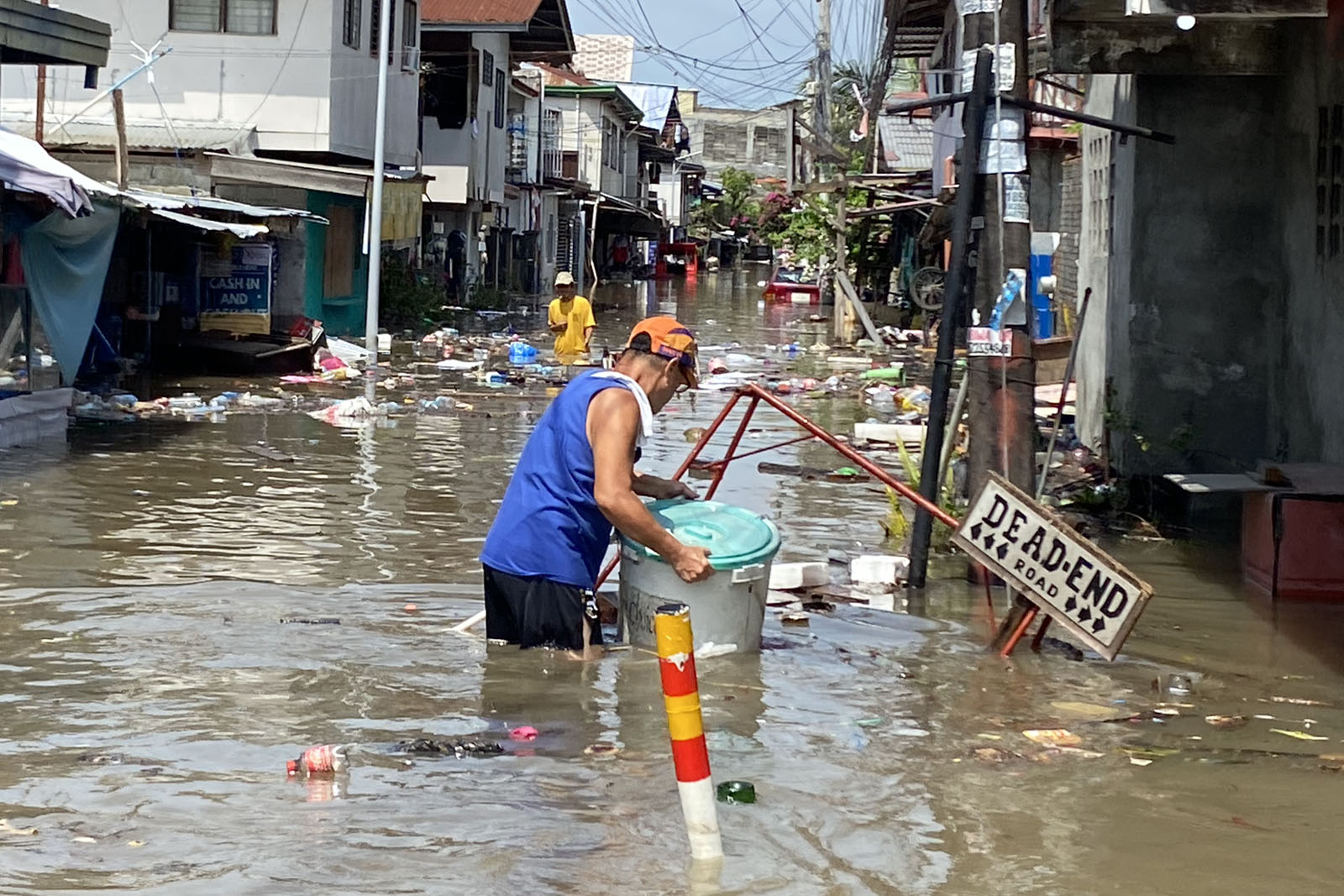
The Philippines is strongly advocating for enhanced family-level disaster preparedness and the formulation of concrete action plans, recognizing its status as one of the countries most exposed to natural disasters and extreme weather hazards globally. This initiative is crucial for minimizing damage and enabling rapid initial response during disaster events. Ednar Gempesaw, regional director of the Office of Civil Defense (OCD) Davao, emphasized the importance of families discussing how to respond to emergencies such as fires, earthquakes, and floods before they strike. He stated, "Every household, every family must talk… what to do if there is fire, where to run… what to do during earthquakes… what do we do when the City Disaster or Municipal Disaster (Risk and Reduction Management Office) warns that the water is rising," highlighting the necessity for every family member to be capable of acting as a first responder. However, Gempesaw expressed concern over the vulnerability of many local government disaster response units, which rely heavily on contractual and job order personnel rather than regular staff. While the Philippine Disaster Risk Reduction and Management Act of 2010 (Republic Act 10121) mandates the organization of Local Disaster Risk Reduction and Management Offices (LDRRMOs), the reality on the ground often falls short. Gempesaw suggested that strengthening the disaster management capabilities of local governments can be achieved by making these disaster response personnel regular employees. While Davao City has recently advertised for new personnel in areas like Emergency Response Personnel (ERP), Emergency Medical Services (EMS), Fire Auxiliary Service, and Urban Search and Rescue (USAR), securing adequate staffing remains a challenge for smaller municipalities. For instance, in Manay, Davao Oriental, the Municipal DRRMO has only 22 full-time responders and often depends on assistance from the Army and fire personnel. Experts suggest that five to 10 trained responders are needed for every 100 households. The Philippines' ranking as the world's most at-risk country for natural disasters in the 2025 WorldRiskIndex underscores the urgency of this issue. International reports recommend that local administrations be legally obligated to establish cooperative mechanisms with local actors, clearly defining the allocation of competencies, resource distribution, and decision-making processes. Information Source: MindaNews Philippines (GN)

0

Original source

MindaNews Philippines (GN)

原文を読む