Vietnam Advances Digital Services Through Two-Tier Administration Reform in Remote Highlands
Politics
2026年7月12日
5
VietnamPlus English

Vietnam Advances Digital Services Through Two-Tier Administration Reform in Remote Highlands

AI サマリー

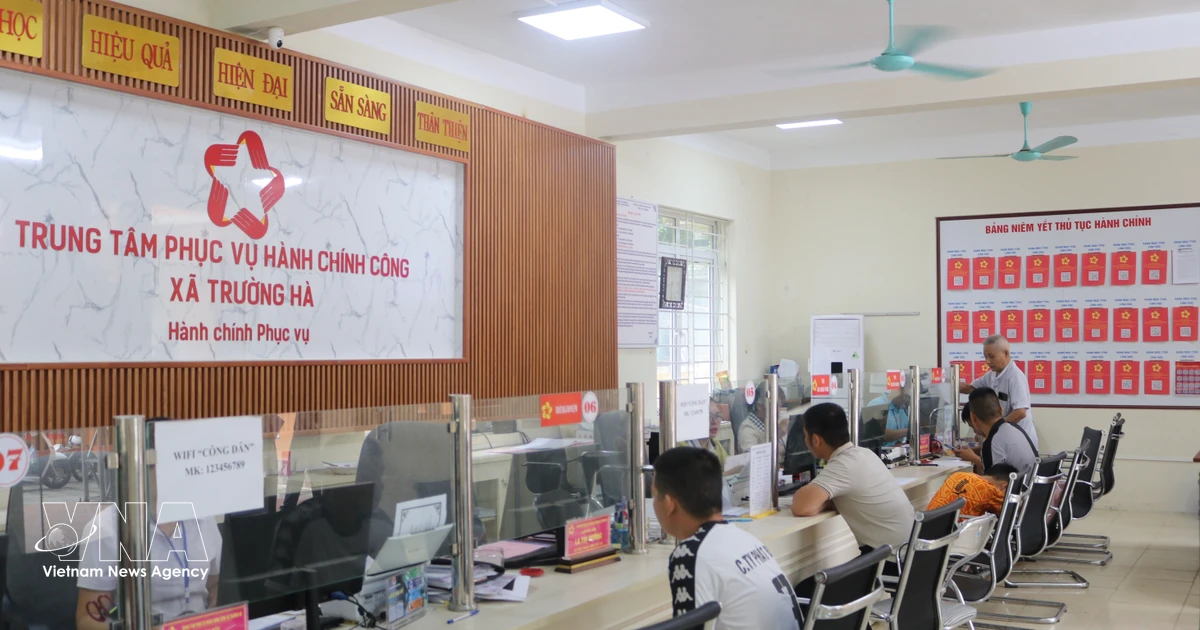
Vietnam is pushing forward with a two-tier local administration reform aimed at expanding digital service delivery, especially at the commune level in remote areas. The reform seeks to transition towards a more efficient and service-oriented administration through organizational streamlining and decentralization.

Vietnam is advancing its two-tier local administration model reform, aiming to expand digital service delivery, particularly at the commune level in remote areas. This reform seeks to transition towards a more modern, efficient, and service-oriented administration through organizational streamlining, increased decentralization, and wider participation of businesses and social organizations in providing public services. Central government officials have called for further decentralization to commune-level authorities in line with resource allocation, continued streamlining of organizational structures to eliminate unnecessary intermediary layers, further refining the Party organizations’ model to align with the state administrative system, and greater autonomy for non-business public service units. Nguyen Duy Ngoc, Politburo member, Secretary of the Party Central Committee, Chairman of its Organisation Commission and head of the steering committee for the review, said the reform has marked a qualitative shift in national governance towards a more modern, efficient and service-oriented administration. According to the Ministry of Finance's one-year review report on the restructuring of administrative units and the operation of the two-tier local administration model, the first phase of handling 25,885 state-owned land and property facilities has been completed nationwide. This initiative is crucial for Vietnam, a country with a vast territory and diverse regional characteristics, to ensure accessible administrative services in remote and mountainous areas, thereby bridging economic disparities and improving citizens' lives. The reform aims to simultaneously strengthen local government capacity and enhance resident convenience. Information source: VietnamPlus English

多角的分析

経済的影響

ベトナム経済は、この行政改革を通じて、より効率的で透明性の高いサービス提供体制を構築することを目指しています。これにより、特に地方部でのビジネス環境が改善され、投資誘致や経済活動の活性化につながることが期待されます。デジタルサービスの拡充は、行政コストの削減にも寄与し、限られたリソースをより効果的に配分するメカニズムを強化するでしょう。これは、ベトナムが「ゴールデン・ポピュレーション」構造を最大限に活用し、持続的な経済成長を達成するための重要な基盤となります。

投資家心理

投資家にとって、行政手続きの迅速化とデジタル化は、事業展開における不確実性を低減させる要因となります。特に、地方部での事業設立や運営において、煩雑な手続きが簡素化されれば、投資リスクの軽減につながります。二層モデルの改革は、地方政府の裁量権拡大とサービス提供能力の向上を意味するため、投資家はより迅速な意思決定とサポートを期待できるようになります。これは、ベトナムへの直接投資(FDI)をさらに促進する可能性があります。

社会的影響

この改革は、遠隔地や山岳地帯に住む住民にとって、行政サービスへのアクセスを大幅に改善する可能性があります。これまで地理的な障壁や情報不足により、必要なサービスを受けにくかった人々が、デジタル化されたサービスを通じて、より容易に手続きを行えるようになります。例えば、住民票の取得、各種申請、情報提供などがオンラインで可能になれば、生活の質が向上し、地域間の情報格差やサービス格差の是正に貢献します。しかし、デジタルデバイド(情報格差)への対応や、高齢者などデジタル機器の利用に不慣れな層への配慮も同時に求められます。

市民の声

地方行政の二層モデル改革は、特に遠隔地の住民にとって、行政サービスへのアクセスを改善する大きな機会をもたらします。これまで、ハノイやホーチミン市のような大都市に比べて、地方、特に山岳地帯では、行政手続きに時間がかかり、物理的な移動も必要となる場合が多くありました。例えば、カオバン省のような北部の山岳地帯では、コミューンレベルの役所が遠い、あるいは情報が不足しているために、住民が公的な証明書を取得したり、支援制度を利用したりすることが困難でした。今回の改革で、コミューンレベルの行政組織が強化され、デジタルサービスが拡充されれば、住民は自宅にいながらにして、あるいは最寄りのサービスポイントで、より迅速かつ容易にこれらの手続きを完了できるようになります。これは、住民の生活の利便性を向上させるだけでなく、地域経済の活性化にもつながる可能性があります。一方で、デジタル機器の普及率やインターネット環境の整備状況によっては、依然として情報格差が生じる可能性もあり、すべての住民が等しく恩恵を受けられるような、きめ細やかな支援策が求められます。

背景・歴史的文脈

ベトナムの一党体制下では、中央政府が強力な統治能力を持つ一方、広大な国土と多様な地域社会へのサービス提供は常に課題でした。特に、経済成長の恩恵が都市部に集中しがちであったため、地方、特に遠隔地や山岳地帯における行政サービスの遅れや情報格差が問題視されてきました。2010年代以降、ベトナム政府はデジタル化と行政改革を国家戦略の柱とし、行政手続きのオンライン化や地方分権化を段階的に推進してきました。今回の二層モデル改革は、こうした長年の課題に対し、より効率的で国民に寄り添った行政サービスを提供するための、最新の取り組みと言えます。

原文ソース

VietnamPlus English

原文を読む