General articles are free for 24 hours after publish.
US Commander in Middle East Warns Social Media Posts Increase Iran Attack Risk
The US commander in the Middle East has warned that soldiers' social media posts are increasing the risk of Iranian attacks on US bases. Information like videos and photos could be used to assess attack success and plan future strikes.
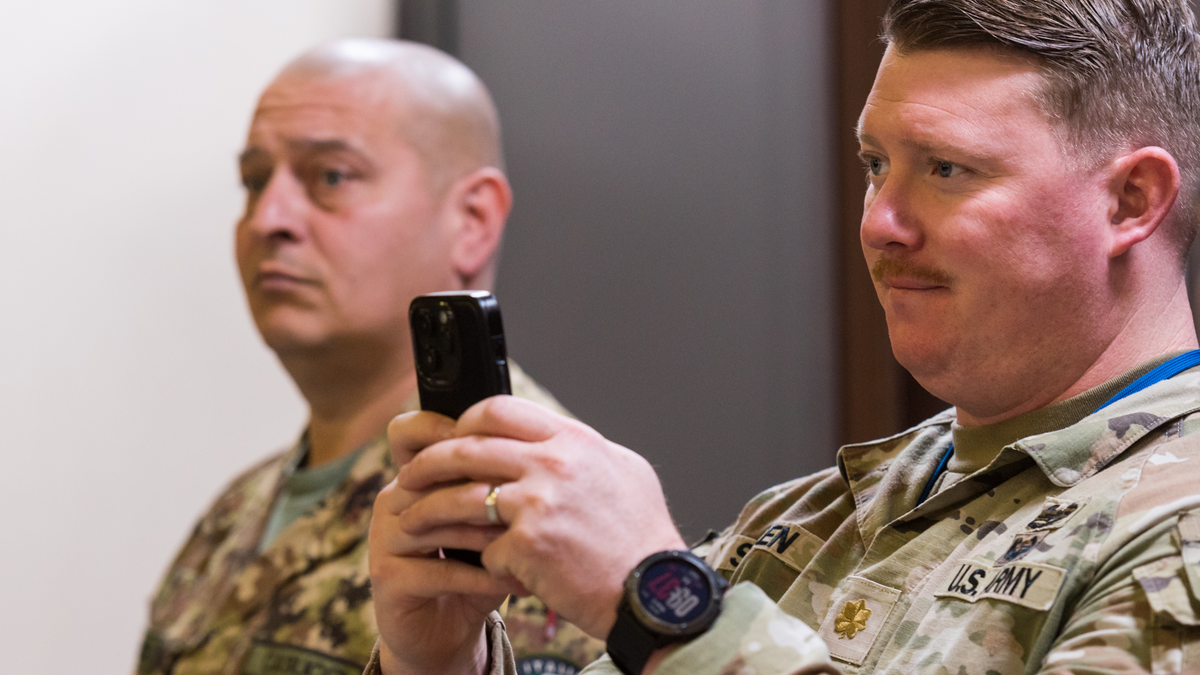
US Army Central Command (CENTCOM) Commander Admiral Brad Cooper has warned that soldiers' social media posts, including videos and photos, are making it easier for Iran to target US military bases. He pointed out that Iran is using this open-source information to quickly assess the success of attacks and aid in planning future strikes. In a letter dated July 28, Admiral Cooper sounded the alarm that footage captured by soldiers on their mobile phones and shared on social media could help identify targets at US bases stationed in the Middle East. Specifically, during Iran's attack on the Muwaffaq Salti base in Jordan on July 17, videos of soldiers evacuating were posted on social media, potentially helping the Iranian side understand the soldiers' evacuation routes and the base's situation. The commander expressed concern that while Iran typically finds it difficult to accurately assess the success of attacks due to US military tactics like electronic jamming, the public release of media information allows them to 'assess damage for free.' He further warned that the disclosure of detailed information could increase the possibility of Iran carrying out more devastating secondary attacks. In response to this warning, some US soldiers in Jordan have reportedly been notified that their mobile phones will be confiscated in the coming days. Similar measures are reportedly being considered across the Middle East due to concerns about operational security, though no definitive decision has been made. For US soldiers, mobile phones are an essential tool for communicating with family and confirming their safety. However, this incident highlights the complex tension between the military and media, balancing real-time war reporting with the need to prevent the leakage of classified military information. Source: VnExpress
Original source
VnExpress