General articles are free for 24 hours after publish.
KLIA handles 23.4 million international passengers in H1, retaining Southeast Asia's largest status
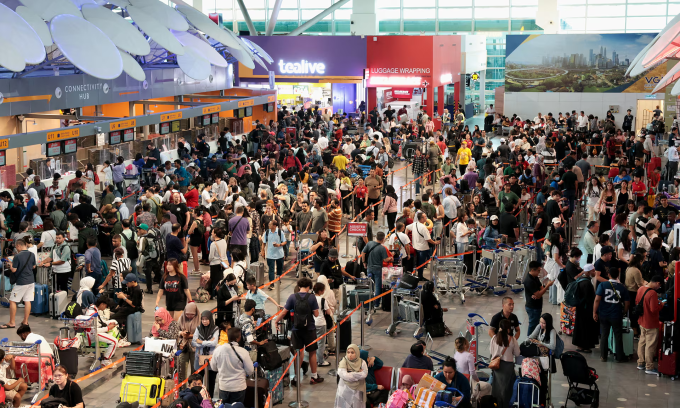
Kuala Lumpur International Airport (KLIA) handled 23.4 million international passengers in the first half of the year, maintaining its status as Southeast Asia's largest airport. Total passenger movements, including domestic and international, reached 31.7 million, a 5.4% increase year-on-year.
Kuala Lumpur International Airport (KLIA) handled 23.4 million international passengers in the first half of the year, maintaining its status as Southeast Asia's largest airport. Total passenger movements, including domestic and international, reached 31.7 million, a 5.4% increase year-on-year. A series of new direct routes to Kuala Lumpur were launched in June, including AirAsia's Kuala Lumpur–Kansai service, China Eastern Airlines' Dalian–Kuala Lumpur route via Nanjing, Lion Air's Kuala Lumpur–Lombok and Banjarmasin–Kuala Lumpur services, and Batik Air's flights from Shanghai and Padang to Kuala Lumpur. These new services strengthened Malaysia's connectivity with key regional markets while expanding travel options for passengers. Improved utilization of available airline capacity also boosted international load factors, reflecting sustained demand despite a challenging environment. KLIA spans roughly 100 square kilometers and is a key hub for both domestic and international air travel. Its Terminal 1 underwent an upgrade worth RM30 million (US$7 million) last year as Malaysia witnessed a surge in tourist numbers. Malaysia retained its position as Southeast Asia's most-visited country after recording 21.12 million international visitor arrivals in the first half of 2026, a 2.5% increase from a year earlier.
Original source
VnExpress International