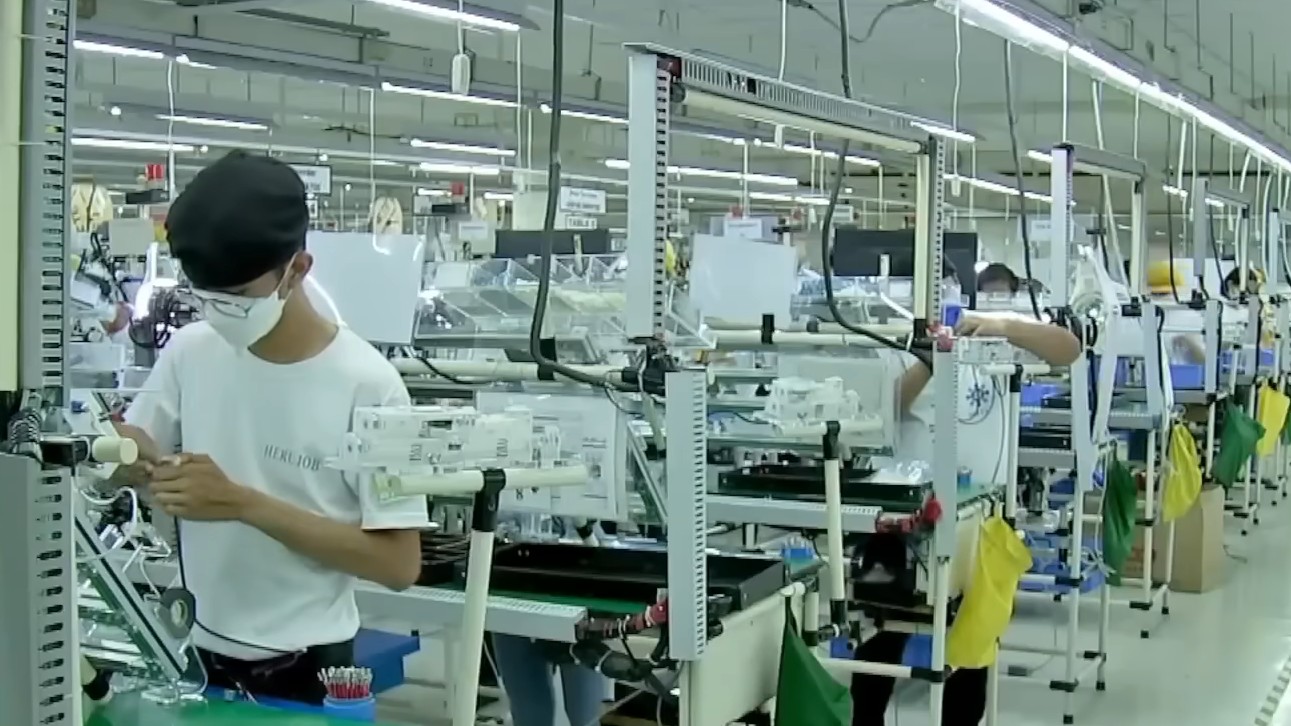
PH Manufacturing Growth Decelerates in May Amidst Slower Output in Key Sectors
Philippine manufacturing saw slower growth in May, with the volume of production index (VoPI) rising 10.2%, down from 11.7% in April, according to PSA data. Decelerations in transport equipment, food, and chemicals production were key factors.
The Philippine manufacturing sector posted slower growth in May, particularly due to the deceleration in production of transport equipment, food, and chemicals during the month, data released by the Philippine Statistics Authority (PSA) on Tuesday showed. Preliminary results of the Monthly Integrated Survey of Selected Industries (MISSI) showed that the volume of production index (VoPI) grew by 10.2% in May, slower than the 11.7% in April, but faster than the 0.3% decline the same month last year. Manufacturing of transport equipment declined by 1.4%, while growth in the manufacture of food products slowed to 1.7% from 4.5% in the previous month. The manufacture of chemicals contracted by 14.8%, a sharper drop than the 2.1% in April. The value of production index (VaPI) grew by 13.5% in May, slower than the 14.6% in April, but faster than the 0.5% contraction the same month last year. “The slowdown in the annual growth rate of VaPI for manufacturing in May 2026 was mainly attributed by the slower annual increase posted by the manufacture of transport equipment,” the PSA said in a news release. Manufacturing of transport equipment posted a 0.9% growth in May, slower than the 12.6% increase in the previous month. This contributed 42.0% to the slower annual growth rate of the VaPI. Other contributors to the decline include the manufacture of food products at 3.1% (from 6.1% in April), and the manufacture of chemicals and chemical products which declined by 11.5% versus the 1.0% growth the previous month. Average capacity utilization for the month was reported at 78.8%, higher than the 78.5% in April, and the 77.1% a year ago. All industry divisions reported utilization rates of over 65.0%, with the top three being manufacture of leather and related products (84.5%), coke and refined petroleum products (82.5%), and computer, electronic, and optical products (81.2%). More than a third or 36.1% of establishments operated at full capacity or 90% to 100% during the month, while 40.6% operated at 70% to 89% capacity. Some 23.3% operated at below 70% capacity. The manufacturing sector plays a crucial role in the Philippine economy, directly impacting employment and exports. This slowdown in growth could be influenced by a combination of global supply chain fluctuations, domestic demand trends, and inflationary pressures. The government will need to continue implementing policies aimed at enhancing the competitiveness and sustainable growth of the manufacturing industry.
多角的分析
5月のフィリピン製造業の成長鈍化は、生産量指数(VoPI)が10.2%増と、前月比で低下した点に示されています。これは、主要セクターである輸送機器(-1.4%)、食品(1.7%)、化学品(-14.8%)の生産減速が直接的な原因です。特に化学品分野の落ち込みは顕著であり、これは原材料価格の変動や国際的な需要の不確実性を反映している可能性があります。経済全体としては、製造業はGDPの約3割を占めるため、この動向は成長率全体に下押し圧力となります。インフレ圧力や世界経済の不透明感が、国内の生産活動や消費者の購買力に影響を与えていると考えられます。
製造業の成長鈍化は、国内および海外からの投資家にとって警戒信号となります。特に、輸送機器や化学品といった、より資本集約的でグローバルなサプライチェーンに依存するセクターの不振は、企業の収益性や将来の設備投資計画に影響を与える可能性があります。ただし、設備稼働率が全体として78.8%と高水準を維持している点はポジティブです。これは、既存の生産能力は比較的活用されていることを示唆しており、需要の回復があれば迅速な生産増につながる余地があることを示しています。投資家は、インフレ動向、金利政策、そして政府の産業支援策を注視する必要があります。
製造業の成長鈍化は、雇用市場に間接的な影響を与える可能性があります。特に、輸送機器や化学品などの分野で生産が停滞すれば、関連する労働者の雇用機会が減少したり、賃金の上昇が抑制されたりする恐れがあります。また、食品製造の成長鈍化は、国内の食料品価格に影響を与える可能性も否定できません。地方の製造業集積地では、地域経済への影響がより顕著になることも考えられます。一方で、平均設備稼働率が高いことは、既存の雇用が維持される可能性を示唆していますが、新規雇用の創出ペースは鈍化するかもしれません。市民生活への直接的な影響は限定的かもしれませんが、長期的な経済成長の鈍化は、社会全体の所得向上に影響を及ぼす可能性があります。
製造業の成長鈍化は、市民の生活に直接的・間接的な影響を与えます。例えば、食品製造の成長鈍化は、食料品の価格上昇につながる可能性があります。また、輸送機器分野の停滞は、自動車や関連部品の価格に影響を与えるかもしれません。より広範には、製造業は多くの雇用を生み出しているため、その成長鈍化は将来的な雇用機会の減少や賃金の上昇抑制につながる可能性があります。特に、地方の製造業に依存する地域では、経済活動の停滞が生活水準の低下を招く懸念があります。市民は、物価の動向や雇用市場の状況を注視する必要があります。
背景・歴史的文脈
フィリピンの製造業は、歴史的に国内需要と輸出の両方に支えられてきました。特に、BPO(ビジネス・プロセス・アウトソーシング)産業の成長に伴う中間財の需要増加や、海外からの直接投資(FDI)が、製造業の発展を後押ししてきました。しかし、近年は、グローバルサプライチェーンの脆弱性、インフレ圧力、そして地域経済の不確実性といった要因が、製造業の成長に影響を与えています。特に、2020年以降のパンデミックは、サプライチェーンの混乱を露呈させ、多くの製造業が生産調整を余儀なくされました。今回の5月の成長鈍化は、そうした構造的な課題が依然として存在することを示唆しており、政府は、国内産業の競争力強化とサプライチェーンの強靭化に向けた継続的な政策実施が求められています。
原文ソース
GMA Money Philippines