General articles are free for 24 hours after publish.
Vietnam Weather Forecast: Northern and Central Regions Brace for Heatwave, Southern Areas to See Afternoon Thunderstorms
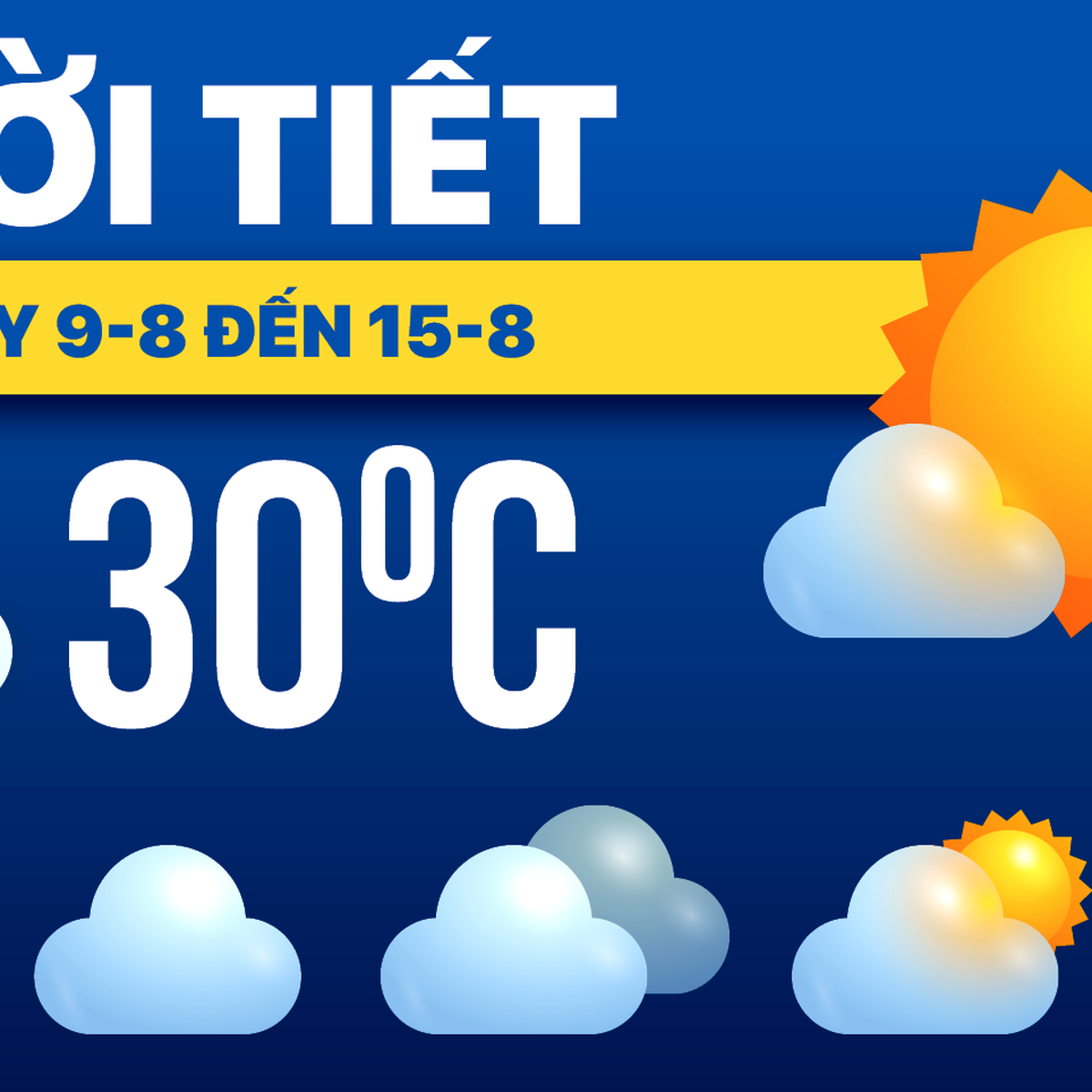
According to Vietnam's National Center for Hydro-Meteorological Forecasting, widespread heatwaves are expected in the northern and central regions through mid-August. Meanwhile, the southern part of the country will experience afternoon thunderstorms with heavy rain.
Vietnam's National Center for Hydro-Meteorological Forecasting has released its weekly weather forecast for August 9-15. The forecast indicates widespread heatwaves are expected in the northern regions of Vietnam, excluding Lai Chau, Dien Bien, and northern Son La provinces. The intense heat is anticipated to gradually subside around August 14-15. In the central part of the country, sunny conditions will prevail from Thanh Hoa to Hue City and along the south-central coast, with some areas experiencing heatwave conditions. Conversely, the Central Highlands and southern regions are expected to be cloudy with heavy rain in localized areas during the afternoon and evening. These thunderstorms may bring tornadoes, lightning, hail, and strong gusts of wind, necessitating caution. Following nearly a month of frequent rainfall, widespread heat is set to return to the northern regions around August 9 and is projected to persist until mid-August. This heatwave could impact Vietnam's agricultural sector and daily life, with increased electricity consumption and a heightened risk of heatstroke being primary concerns. Vietnam, while experiencing rapid economic growth under its one-party system, faces the undeniable challenge of climate change impacts. Summer heatwaves can lead to increased energy demand, placing a strain on infrastructure. Additionally, the severe thunderstorms forecast for the south raise concerns about potential infrastructure damage and adverse effects on agricultural crops. (Context) Vietnam shares a long border with China and maintains close economic ties. However, geopolitical tensions, particularly concerning the South China Sea, also exist. In this context, addressing domestic climate change impacts is crucial for stabilizing economic activities and ensuring the continuity of public life.
Original source
The Saigon Times