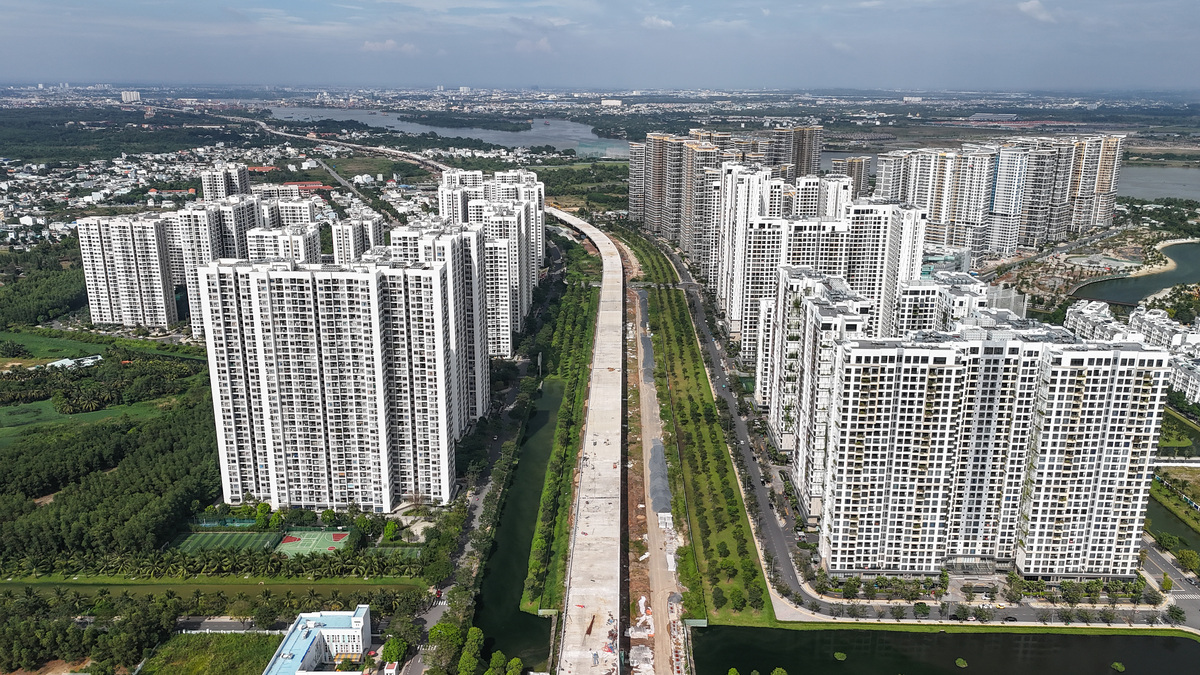
Vietnam to Introduce Apartment Lifespan Limits: Expert Views Amid Asset Value Concerns
Diplomacy
2026年8月6日
5
VnExpress

General articles are free for 24 hours after publish.

Vietnam to Introduce Apartment Lifespan Limits: Expert Views Amid Asset Value Concerns

Share
AI Summary

Vietnam is set to introduce regulations linking apartment lifespan to building durability. While this mandates reconstruction upon the building's end-of-life, experts clarify it won't diminish apartment asset value, aiming to protect owner rights and improve building quality.

Vietnam is moving towards implementing regulations that link the lifespan of apartments in new condominiums to the durability of the building itself. This policy aims to clarify the obligation for reconstruction when buildings age and deteriorate, sparking concerns among apartment owners about potential impacts on their asset values. However, experts emphasize that these regulations will not diminish the asset value of apartments but rather enhance owners' rights and responsibilities. Dinh Minh Tuan, Director of Batdongsan.vn's Southern region, explained that many buyers currently focus only on the land use term stated on their certificates and pay less attention to the building's lifespan. He noted that when a building reaches the end of its designated lifespan, owners are entitled to financial obligations for reconstruction, but their ownership rights remain protected. "The essence of this direction is not to limit ownership rights, but to increase the rights and obligations of owners towards their assets," Tuan stated. He elaborated that the value of an apartment comprises two components: the building itself and the land use rights. While the building may degrade over time, land value in prime locations with developed infrastructure often appreciates. Therefore, even after the building's lifespan ends, the land use rights retain their value. Le Hoang Chau, Chairman of the Ho Chi Minh City Real Estate Association (HoREA), believes that apartment owners, like owners of individual houses or villas, should be responsible for the maintenance, renovation, and reconstruction of their properties. He also pointed out that the 2% maintenance fee paid by buyers since July 1, 2006, may only be sufficient for about 20 years, according to Ministry of Construction calculations. Independent real estate consultant Le Quoc Kien views the new direction as crucial for promoting the renovation of old condominiums and establishing a clear legal framework. He advises buyers to pay more attention to the value of the land use rights associated with their apartments, rather than solely focusing on individual unit ownership. Nguyen Van Dinh, Chairman of the Vietnam Association of Real Estate Brokers (VARS), recommended that the relevant laws clearly define the criteria for determining building lifespans based on technical standards and establish concrete mechanisms to ensure owners' property rights, including participation in redevelopment and allocation of new housing. He also suggested that for new condominium projects, a transition period and a phased implementation approach are necessary to mitigate market instability and avoid disruptions.

0

Original source

VnExpress

原文を読む