Thailand Backs Faster-to-Build Pattaya-U-Tapao Rail Link After CP Deal Ends
Thailand is shifting from a high-speed rail project to a 160 km/h medium-speed railway connecting Pattaya and U-Tapao, aiming for operation within four years with reduced investment following the termination of a deal with CP Group.
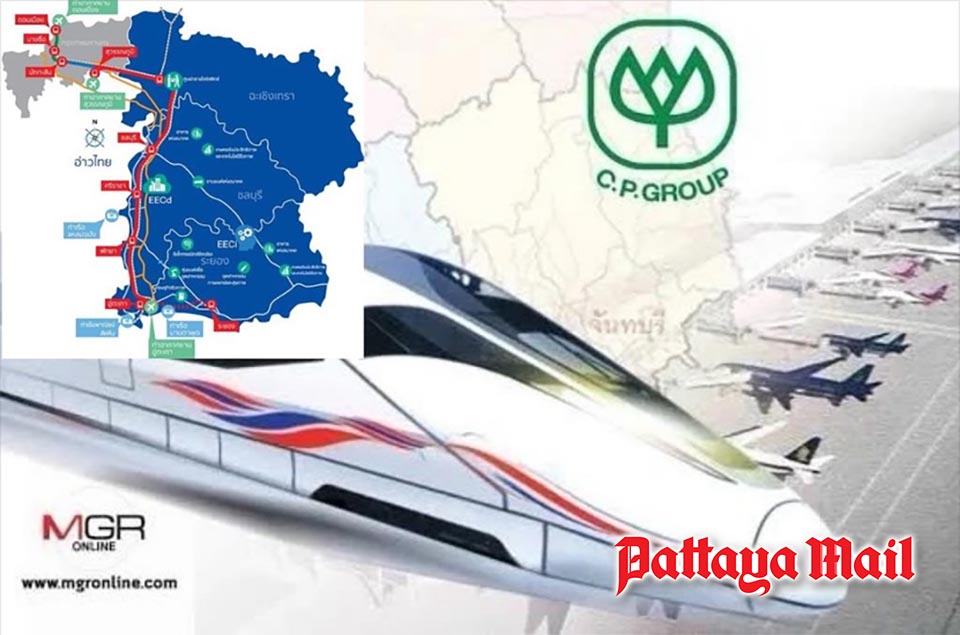
PATTAYA, Thailand – Thailand is preparing to abandon its long-delayed high-speed rail project linking Don Mueang, Suvarnabhumi and U-Tapao airports, replacing it with a more affordable 160 km/h medium-speed railway that could begin operating within four years. The move follows discussions between the Eastern Economic Corridor Office (EECO) and the State Railway of Thailand (SRT) after the existing concession with Asia Era One Co., Ltd., the consortium led by CP Group, was deemed no longer viable. Rather than launching a fresh tender for the original 250 km/h high-speed rail project—a process expected to take at least two years and cost significantly more—the government is proposing to upgrade existing railway infrastructure to accelerate delivery. Under the revised plan, the eastern metre-gauge railway from Bangkok to U-Tapao would be upgraded to support trains travelling at 160 km/h, with electrification extended to U-Tapao Airport. Some sections would also be elevated to eliminate road crossings and improve safety. Officials say the new approach would require substantially less investment while allowing rail services to open around the same time as the new U-Tapao International Airport and Aviation City. The project would integrate existing rail networks rather than building an entirely new line. Passengers travelling from Don Mueang Airport would use Bangkok’s Red Line suburban railway before connecting via the planned Missing Link between Bang Sue, Phaya Thai, Makkasan and Hua Mak. The line would then continue to Suvarnabhumi Airport, before joining the existing eastern railway corridor through Chachoengsao, Sri Racha and Pattaya to U-Tapao Airport. Officials are also studying ways to integrate the Red Line with the Airport Rail Link to reduce transfers and create a seamless journey between Bangkok’s airports. Two operating models are being considered: a public-private partnership (PPP) under a net-cost arrangement or allowing private operators to lease track access from the SRT under Thailand’s Rail Transport Act. Asia Era One would still be eligible to bid if the project is reopened under the new model, as officials stressed that the potential termination of the existing concession would not be considered a breach by either party. EECO Secretary-General Chula Sukmanop said the rail connection between the three airports remains a critical piece of infrastructure for the Eastern Economic Corridor (EEC) and will continue despite changes to the project’s format. The revised railway is expected to support commuters, urban rail passengers and intercity services while boosting investment and development along the route through Bangkok, Chachoengsao, Si Racha, Pattaya and Chonburi. A series of meetings is scheduled this month before the proposal is submitted to the EEC Policy Committee, chaired by Prime Minister Anutin Charnvirakul, for final consideration later in July.
多角的分析
当初の高速鉄道計画は巨額の投資と長期的な工期を要し、経済的な実現可能性が問われていた。今回の計画変更は、投資額を大幅に抑制し、既存インフラの活用と技術改良に重点を置くことで、より早期の収益化と地域経済への貢献を目指す現実的なアプローチと言える。特に、ウタパオ国際空港の拡張計画と連携させることで、空港都市構想全体の推進力となることが期待される。
CPグループが主導した当初のコンセッション契約の破棄は、プロジェクトの不確実性を示唆するものの、今回の計画変更は、より現実的な投資回収見込みと早期の事業開始を可能にする可能性がある。PPPモデルや線路アクセスリースといった柔軟な運営モデルの検討は、多様な民間事業者の参入を促し、競争原理を働かせることで、プロジェクトの効率化と収益性向上に繋がる可能性がある。ただし、投資家は、新たな入札プロセスや最終的な運営条件を注視する必要がある。
中速鉄道への移行は、より多くの国民が利用しやすい交通手段となる可能性を秘めている。特に、バンコク首都圏と東部沿岸地域を結ぶことで、通勤・通学の利便性が向上し、地域間の移動を活発化させることが期待される。また、既存インフラの活用は、新規開発に伴う環境負荷や地域住民への影響を最小限に抑える可能性もある。しかし、計画変更による遅延や、最終的な運賃設定が市民の利用意欲にどう影響するかは今後注視が必要である。
当初の高速鉄道計画は、その巨額のコストから市民の間で疑問視されていました。今回の160km/h中速鉄道への変更は、より現実的な投資と早期の実現を目指すものであり、多くの市民にとって、より身近で利用しやすい公共交通機関となる可能性があります。特に、バンコクとパタヤ、ウタパオ間の移動がスムーズになることで、通勤や観光、さらには地方経済の活性化にも繋がるでしょう。しかし、最終的な運賃設定や、計画通りの早期開業が実現するかは、市民にとって重要な関心事です。
背景・歴史的文脈
タイ政府は、東部経済回廊(EEC)構想の一環として、バンコクと主要空港を結ぶ高速鉄道プロジェクトを推進してきた。特に、パタヤ・ウタパオ間の高速鉄道は、ウタパオ国際空港の拡張と航空産業クラスターの形成に不可欠なインフラと位置づけられていた。しかし、当初CPグループが主導したコンセッション契約は、巨額の投資額と技術的な課題、そして長期にわたる工期から、実現可能性が疑問視されていた。今回、契約が履行不可能と判断されたことを受け、政府は当初の計画を大幅に見直し、より現実的で早期実現が可能な中速鉄道への転換を決断した。これは、経済的な制約と開発目標のバランスを取ろうとするタイ政府の姿勢を示している。
原文ソース
Pattaya Mail