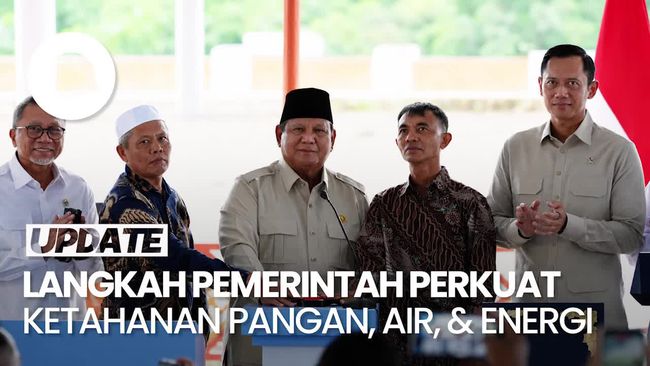
President Prabowo Inaugurates Five Dams, Boosting Food, Water, and Energy Security
President Prabowo inaugurated five dams across Indonesia, including two completed by Waskita Karya in Central Java and Aceh. These projects are set to enhance agricultural irrigation and bolster national food, water, and energy security.
President Prabowo Subianto has inaugurated five dams situated in various regions across Indonesia. Notably, two of these, the Jlantah Dam and Rukoh Dam, were successfully completed by PT Waskita Karya (Persero) Tbk last year. Located in Central Java and Aceh respectively, these dams are already operational and serving the agricultural sector by fulfilling irrigation water needs. Minister of Public Works, Dody Hanggodo, emphasized that the inauguration of these five dams marks a strategic move by the government aimed at bolstering national resilience in terms of food, water, and energy security. He revealed that the comprehensive water projects are supported by an extensive irrigation network stretching approximately 280 kilometers, which collectively enables the irrigation of 40,000 hectares of agricultural land. This initiative highlights the government's commitment to enhancing agricultural productivity throughout Indonesia's diverse geography and ensuring the sustainable management of its water resources. Reliable water access is paramount for the agricultural sector, particularly in the face of climate change, making dam construction a critical component of national development. Furthermore, these dams are expected to contribute to the nation's energy mix through hydropower generation, supporting renewable energy targets. The active participation of state-owned enterprises like Waskita Karya in spearheading such infrastructure projects also plays a significant role in stimulating local industries and generating employment opportunities. These infrastructural advancements are viewed as instrumental in fostering sustained economic growth and ensuring the well-being of the Indonesian populace in the long run.
多角的分析
5つのダム開通は、インドネシアの農業生産性向上に直結する。特に、灌漑面積4万ヘクタールという規模は、国内の食料供給安定化に大きく寄与する。これにより、食料輸入依存度の低減や、農産物価格の安定化が期待できる。また、水力発電による再生可能エネルギーの供給拡大は、エネルギーコストの抑制や、国家のエネルギー安全保障強化にも繋がる。
インフラ投資、特に水インフラは、長期的な視点での安定したリターンが見込める分野である。Waskita Karyaのような国営企業の関与は、プロジェクトの信頼性を高める一方で、政府の財政状況や優先順位によって進捗が左右されるリスクも孕む。投資家は、これらのインフラプロジェクトが、経済成長と国民生活の向上にどのように貢献するか、その具体的な効果測定と、それに伴う関連産業への波及効果を注視する必要がある。
ダム建設は、農村部の生活基盤を強化し、農業従事者の収入安定化に貢献する。しかし、大規模インフラ開発においては、地域住民の移転や環境への影響といった課題も生じうる。今回の5つのダム開通が、地域社会との調和を保ちつつ、恩恵を広く行き渡らせることができるかが、今後の社会的な評価の鍵となる。特に、アチェ州のような開発の遅れが指摘される地域におけるインフラ整備は、地域格差是正の観点からも重要である。
今回のダム開通は、ジャワ中部やアチェ州の農家にとって、安定した灌漑用水の確保という直接的な恩恵をもたらす。これにより、作物の収量増加や、より多様な作物の栽培が可能になることが期待される。また、水不足が深刻化する地域においては、飲料水や生活用水の供給改善にも繋がる可能性がある。国民全体としては、食料価格の安定や、エネルギー供給の安定化といった間接的な恩恵も享受できるだろう。
背景・歴史的文脈
インドネシアでは、広大な国土と多様な気候条件から、古くから農業用水の確保が国家的な課題であった。歴代政権は、水資源開発のため、特にジャワ島を中心に多くのダム建設を進めてきた。1970年代以降の「開発の時代」には、大規模な灌漑プロジェクトが数多く実施され、食料生産の増大に貢献した。しかし、近年は気候変動による干ばつや洪水のリスクが増大しており、より強靭な水インフラの整備が急務となっている。プラボウォ政権による今回の5つのダム開通は、これらの背景を踏まえ、食料・水・エネルギー安全保障を国家戦略の柱として位置づけるものと言える。
原文ソース
Detik