General articles are free for 24 hours after publish.
Indonesia's Forest Fire Hotspots Decrease, But Increase in Some Areas Prompts Stronger Measures
Indonesia's Ministry of Environment and Forestry reported a decrease of 121 forest fire hotspots in Kalimantan and Sumatra, bringing the total to 567. However, increases were noted in West Kalimantan and South Sumatra, prompting intensified patrols and firefighting efforts. Support from Japan is also being utilized.
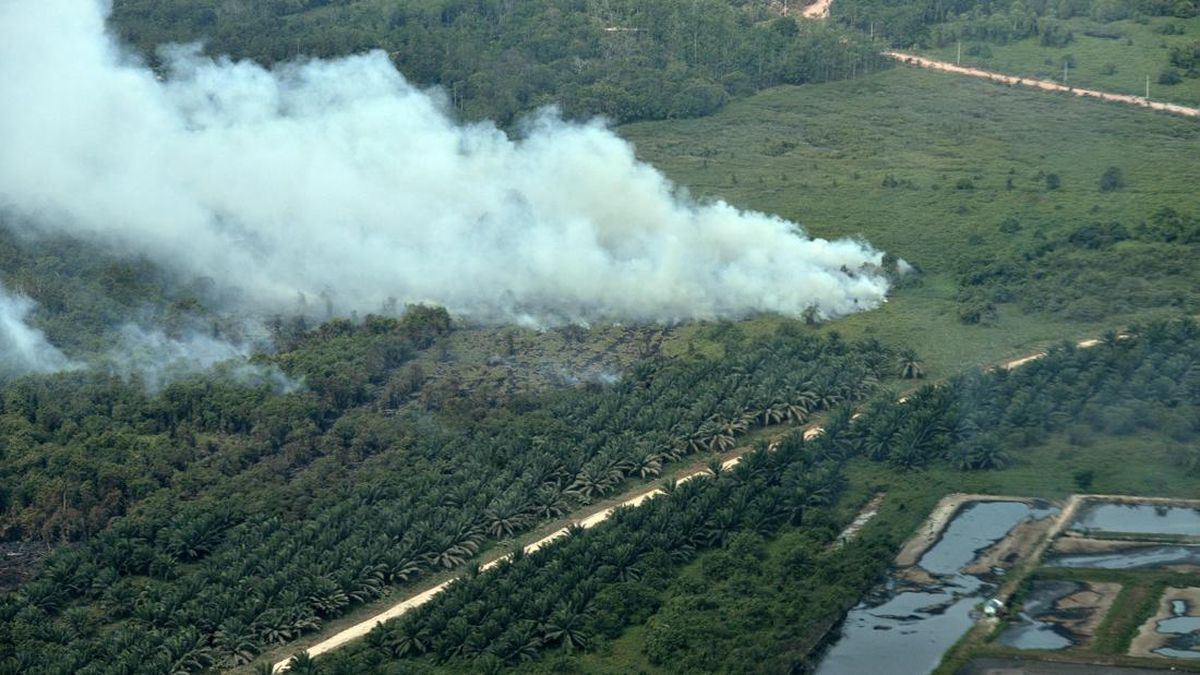
The Indonesian Ministry of Environment and Forestry announced that forest fire hotspots in Kalimantan and Sumatra have decreased by 121 points, totaling 567 points as of Sunday (13/9). However, an increase in hotspots has been observed in West Kalimantan and South Sumatra, prompting intensified monitoring and firefighting efforts. Ristianto Pribadi, Head of the Public Relations and Foreign Cooperation Bureau of the Ministry, stated that the most significant reductions were seen in Central Kalimantan and South Kalimantan. Conversely, West Kalimantan recorded an increase of 40 hotspots, and South Sumatra saw an increase of 41 hotspots. No hotspots were detected in Riau and Jambi provinces. "The increase observed in West Kalimantan and South Sumatra is a concern that requires strengthening patrols, ground checks, and extinguishing operations," Pribadi said in a written statement. The Ministry, along with joint teams, is reinforcing control over forest and land fires (Karhutla) through ground operations, water bombing, aerial patrols, and Weather Modification Operations (OMC). OMC is also being continuously conducted in West Kalimantan and Central Kalimantan as part of the strategy to prevent and control Karhutla. From September 5 to 14, nine sorties were flown in West Kalimantan, with 7,200 kilograms of sodium chloride (NaCl) used for seeding. This operation is estimated to have increased rainfall by approximately 87.9 million cubic meters. In Central Kalimantan, OMC was carried out from September 6 to 15, involving 7 sorties and the use of 5,600 kilograms of NaCl. These operations have aided in wetting the land and supporting the work of ground firefighting teams. Despite the overall decrease, continuous efforts in extinguishing, wetting, and cooling are being carried out in peatland ecosystems, as embers can persist beneath the surface. The government has deployed 53 aerial units to support fire control in six priority provinces, with 34 units dedicated to water bombing and 19 units supporting aerial patrols and OMC. Furthermore, the Japanese government has provided support in the form of three CH-47 Chinook helicopters, which have arrived in West Kalimantan and are being prepared for water bombing operations after undergoing technical and flight safety preparations. All available resources are being deployed based on hotspot development, field verification, fire conditions, and meteorological factors, with a priority on preventing the spread of fires and accelerating response in active locations. President Prabowo Subianto has directed all government agencies to take early action on every hotspot without waiting for them to escalate into full-blown fires. He also emphasized strengthening preventive measures through land wetting and ensuring water sources in vulnerable areas. The Ministry of Environment and Forestry reiterates its warning to the public against opening or clearing land by burning. Citizens are urged to report any signs of smoke, hotspots, or burning activities immediately so that officials can respond promptly.
Original source
CNN Indonesia