India's Monsoon Deluge Reflects Intensifying Global Climate Emergency
Environment
2026年7月15日
7
The Diplomat Indonesia

India's Monsoon Deluge Reflects Intensifying Global Climate Emergency

AI サマリー

India is grappling with unprecedented monsoon deluges and landslides, resulting in numerous casualties and infrastructure damage. This reflects the intensifying global climate emergency, characterized by increasingly frequent and severe extreme weather events, compounded by the influence of El Niño.

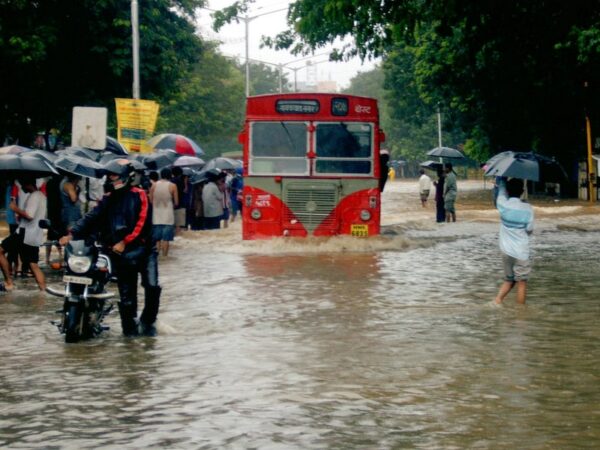
India is currently facing a stark manifestation of the global climate emergency, with monsoon rains triggering devastating floods and landslides across the country. These extreme weather events underscore the intensifying climate crisis and its cascading impacts. In the first week of July, Mumbai's Mankhurd area witnessed a tragic building collapse following torrential monsoon downpours, resulting in the deaths of five children. This deluge, one of the wettest Julys in half a century for the region, submerged streets, paralyzed transportation networks, and hampered emergency services. Reports indicate that some districts received nearly ten times the average daily rainfall for July within a 24-hour period. In Maharashtra, landslides destroyed homes in Ratnagiri, disrupted traffic on the Mumbai-Pune Expressway, and contributed to at least 13 fatalities over a three-day span. Waterlogging also crippled Western Railway services, and several flights into Mumbai were diverted due to severe weather. Ironically, these localized disasters occurred during a period when India as a whole recorded a 38 percent deficit in monsoon rainfall. This highlights how climate change is not only altering averages but also drastically increasing the variability of precipitation patterns. While some areas experience intense cloudbursts, others face heightened drought risks. Scientific evidence confirms that global mean near-surface temperatures have risen by 1.45°C above pre-industrial levels, dangerously close to the 1.5°C threshold set by the Paris Agreement. Concentrations of the three principal greenhouse gases have reached unprecedented highs, indicating an accelerating climate system storing increasing amounts of energy. This aligns with phenomena observed elsewhere, such as the deadly heatwaves in Europe and surges in electricity demand. India's climate challenges are further complicated by the simultaneous or sequential occurrence of multiple extreme weather events, including heatwaves, dust storms, and intense rainfall. In western Rajasthan, a powerful dust storm was followed by heavy rainfall, reducing visibility to near zero. This sequence is attributed to the interplay of extreme heat drying soils, strong winds, and unstable weather systems. Adding to the climate uncertainty is the growing influence of El Niño. This natural warming of the equatorial Pacific alters atmospheric circulation patterns globally. In India, El Niño typically weakens the southwest monsoon, increasing drought risks in some regions, while simultaneously enhancing atmospheric instability that can lead to intense localized cloudbursts elsewhere. The interaction between global warming and El Niño is predicted to significantly increase risks to agricultural, water, and food security. Information Source: The Diplomat Indonesia

多角的分析

経済的影響

インドにおけるモンスーン豪雨とそれに伴うインフラ被害は、経済活動に直接的な打撃を与えている。交通網の麻痺は物流コストの増加を招き、農作物への被害は食料価格の上昇につながる可能性がある。特に、インフラの脆弱な地域では、復旧に多大なコストがかかり、長期的な経済成長の足かせとなる。また、気候変動への適応策や緩和策への投資も急務であり、国家予算を圧迫する要因となりうる。

投資家心理

インドの異常気象の頻発化は、投資家にとってリスク要因となっている。インフラ関連企業や保険会社は、自然災害による損失リスクに直面する。一方で、再生可能エネルギー、防災技術、気候変動適応策関連の企業への投資機会も生まれる可能性がある。しかし、気候変動による不確実性の高まりは、全体的な投資判断を難しくする要因となるだろう。

社会的影響

モンスーン豪雨による建物の倒壊や土砂崩れは、多くの人々の生活基盤を奪い、人命を脅かしている。特に貧困層やインフラの整備が遅れている地域では、被害が集中しやすい。避難生活を強いられる人々、住居や財産を失った人々の支援は喫緊の課題である。また、異常気象による食料価格の上昇は、低所得者層の生活をさらに圧迫する可能性がある。

市民の声

インド市民は、モンスーン期の豪雨によるインフラの寸断や、それに伴う生活への影響を直接的に受けている。ムンバイのような大都市では、冠水による通勤・通学の困難、物資の不足、そして何よりも生命の危険に晒される。地方では、土砂崩れによる家屋の倒壊や孤立が深刻な問題となる。気候変動は、もはや遠い未来の話ではなく、日々の生活に直結する現実的な脅威となっている。

背景・歴史的文脈

インドのモンスーンは、年間降水量の大部分を占め、農業や水資源にとって不可欠である。しかし、気候変動により、モンスーンのパターンは近年不安定化している。過去数十年で、降水量の平均値は変化していないものの、降雨の集中度が増し、極端な豪雨や干ばつが頻発する傾向にある。2023年のエルニーニョ現象は、この傾向をさらに助長し、インド亜大陸の気候システムに大きな影響を与えている。これは、地球温暖化という長期的なトレンドと、エルニーニョのような自然変動が複合的に作用した結果と考えられる。

原文ソース

The Diplomat Indonesia

原文を読む