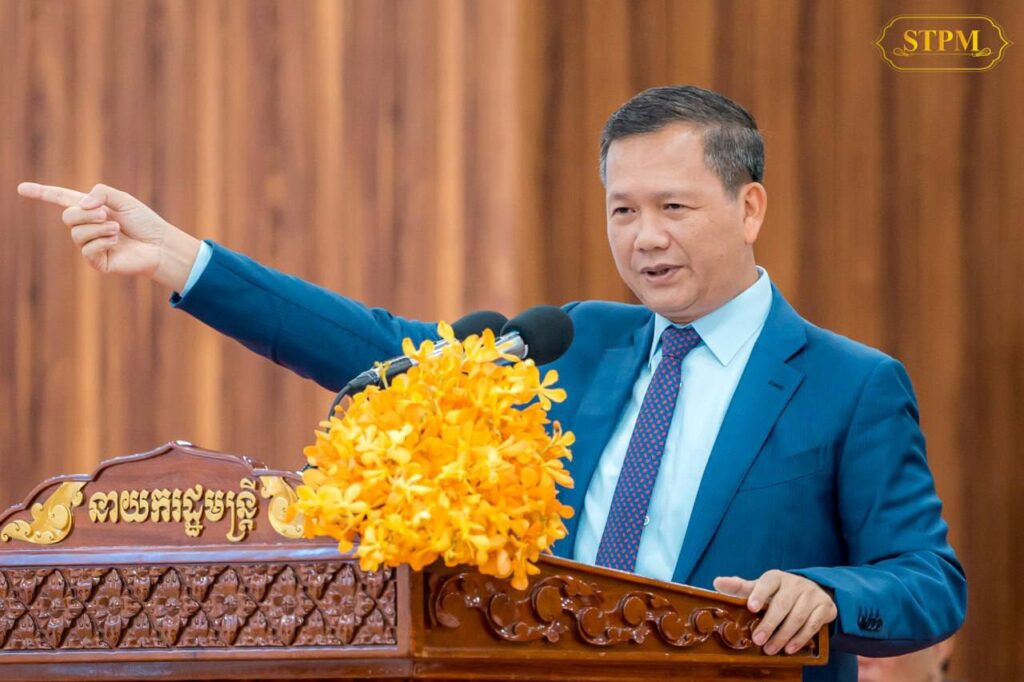
Cambodia Must Invest in Youth Now, PM Urges Amid Demographic Shift
Politics
2026年7月13日
5
Kampuchea Thmey Local
Relations
🇰🇭Cambodia🌐United Nations / ASEAN

Cambodia Must Invest in Youth Now, PM Urges Amid Demographic Shift

AI サマリー

Cambodian Prime Minister Hun Manet called for increased investment in youth through education, skills, health, employment opportunities, and gender equality, marking World Population Day. He emphasized that investing in the young population is crucial for Cambodia's long-term national development during a significant demographic transition.

Prime Minister Hun Manet has urged all ministries, institutions, authorities at all levels, development partners, the private sector, and civil society to jointly increase investment in young people and youth. This call, made in a message celebrating the 37th World Population Day on July 11, 2024, under the theme 'Achieving the Hopes and Aspirations of Young People for Today and Tomorrow,' emphasizes enhancing education, skills, health, employment opportunities, and gender equality to leverage the demographic dividend and avoid missing long-term development opportunities. Prime Minister Hun Manet stated that Cambodia is currently in a valuable period of demographic dividend, with a high proportion of young people and working-age individuals. This situation presents a significant opportunity to boost economic growth, increase productivity, and strengthen the foundation for long-term development. He stressed, 'However, this demographic dividend does not happen automatically. It will become a true national force only if we invest correctly in people, especially in education, skills, health (including reproductive, sexual, and mental health), employment opportunities, gender equality, and a social environment that allows young people to fully realize their potential in contributing to nation-building and development today, and to resilient prosperity tomorrow.' According to the 2024 Cambodia Intercensal Population Survey report, Cambodia's population is 17.3 million. Those under 15 years old constitute 26.8%, 15-34 years old are 34.6%, 35-64 years old are 32.1%, and those 65 years and over are 6.5%. This data clearly shows that population issues are key concerns directly related to the quality of human resources, labor force, job market, public service delivery, family welfare, and future social security. Therefore, population policies must be based on accurate, timely data and used for decision-making to ensure Cambodia's development is comprehensive, sustainable, and leaves no one behind. New population projections based on a medium fertility decline scenario indicate that Cambodia's population will reach approximately 24 million by 2050. Within this projection, the under-15 population will decrease to 21.8%, and the 15-34 age group will decline to 28.2%. Conversely, the 35-64 age group will increase to 37.2%, and those 65 and over will rise to 12.7%. In parallel, the Prime Minister called on ministries, institutions, and relevant parties to continue strengthening the population data system and evidence-based policymaking. This will enable effective planning and decision-making in the economic, social, education, health, labor, and social protection sectors, responding to Cambodia's changing population structure. The Prime Minister concluded, 'The future of Cambodia will be determined by the quality of investment in young people and the population today. If we can provide appropriate educational opportunities, health, employment, and a suitable social environment, Cambodian youth will become a significant force driving Cambodia to achieve its long-term development vision, become a high-income country, and a resilient society characterized by solidarity, equity, and sustainability.'

多角的分析

経済的影響

カンボジアは現在、若年人口比率が高い「人口ボーナス期」にあるが、これは自動的に経済成長に繋がるわけではない。首相の提言は、この機会を活かすために、教育・技能・健康への投資が不可欠であることを示唆している。特に、将来的な労働力不足や高齢化社会への移行を見据え、現在の若年層が質の高い人的資本となるよう育成することが、持続的な経済成長の鍵となる。これは、単なる消費者の増加ではなく、生産者・イノベーターとしての若年層の能力開発を重視する姿勢であり、長期的な経済構造の転換を目指すものと考えられる。

投資家心理

投資家にとって、カンボジアの若年層への投資は、将来の労働力供給と国内市場の拡大という二重の機会を意味する。教育・技能開発への投資は、より生産性の高い労働力を育成し、高度な産業への移行を促進する可能性がある。また、若年層の所得向上は、国内消費の拡大に繋がり、様々な分野への投資機会を生み出す。ただし、これらの投資が効果的に行われ、若年層が十分な雇用機会を得られるかどうかが、投資リスクの評価において重要となる。特に、技能と産業ニーズとのミスマッチが生じないような政策設計が求められる。

社会的影響

カンボジアの人口構造は、将来的に高齢化が進むと予測されている。この変化は、社会保障制度、医療サービス、労働市場に大きな影響を与える。首相の若年層への投資強化の呼びかけは、この将来的な課題への対応策と捉えられる。教育、健康、雇用の機会均等を確保することは、社会の安定と格差是正に不可欠である。特に、ジェンダー平等への言及は、女性の社会進出を促し、多様な人材の活用を通じて社会全体の活力を高める狙いがあると考えられる。若年層が将来への希望を持ち、社会に貢献できる環境整備が、社会的な持続可能性を高める上で重要となる。

市民の声

カンボジアの市民、特に若年層にとっては、首相の呼びかけは将来への希望を抱かせるものとなる。教育や職業訓練の機会が増え、より良い雇用に就ける可能性が高まることは、生活水準の向上に直結する。しかし、これらの政策が具体的にどのように実施され、地方や貧困層の若者にまで恩恵が及ぶかが重要である。また、健康(特に精神的健康)への言及は、現代社会が抱える課題への配慮を示しており、市民のウェルビーイング向上に繋がる可能性がある。若年層が主体的に社会参加できる機会の創出も、市民の満足度を高める上で不可欠である。

背景・歴史的文脈

カンボジアは、長年にわたる紛争からの復興を経て、経済成長を遂げてきた。その成長の原動力の一つは、比較的若い人口構成による「人口ボーナス」であった。しかし、近年の出生率低下と平均寿命の延伸により、人口構造は変化しつつある。2010年代初頭から、政府は人口政策の重要性を認識し始め、国連人口基金(UNFPA)などの国際機関と連携し、人口動態の分析と将来予測に基づいた政策立案を進めてきた。今回の首相の発言は、この流れを踏まえ、人口構造の変化を国家戦略の中心に据え、特に若年層への投資を加速させるという、より具体的な方向性を示したものと言える。これは、将来的な高齢化社会への備えと、現在の人口ボーナスを最大限に活かすための戦略的な転換点を示唆している。

原文ソース

Kampuchea Thmey Local

原文を読む