General articles are free for 24 hours after publish.
US-China Summit: What It Means for Australia
As a US-China summit approaches, diverging interests in trade and AI create complexity. Australia must carefully assess the implications for its investments and security arrangements, seeking concrete strategies.
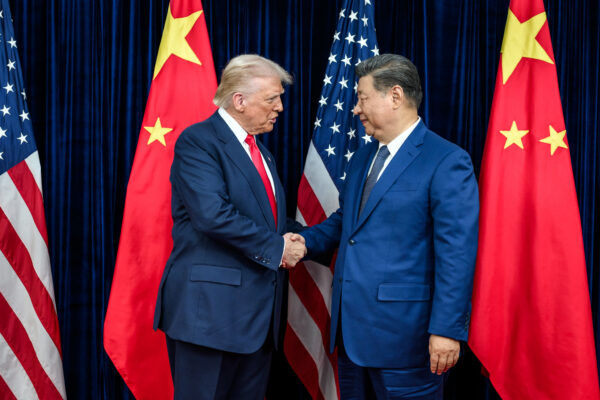
The announcement of a state visit by Chinese President Xi Jinping to Washington from September 23 to 25 for a summit with U.S. President Donald Trump has been confirmed. The meeting is expected to focus on trade and artificial intelligence (AI). Trump seeks increased sales of U.S. products, while Xi aims to ease constraints on China's technological development. Both leaders may declare success, but Australia faces the challenge of assessing the impact of their bargain on its investments and security arrangements, which are currently built around sustained U.S.-China competition. Allied unease is already evident. U.S. Secretary of State Marco Rubio met with his Japanese and South Korean counterparts in New York, reiterating U.S. defense commitments and opposing economic coercion. Both Tokyo and Seoul have sought opportunities to voice their security and economic concerns to Trump. Australia should learn a similar lesson. This summit is likely to buy time rather than provide lasting stability. Key temporary arrangements, including Washington's suspension of restrictions on majority-owned affiliates of listed entities, China's suspension of expanded rare earth and related export controls, and 178 U.S. tariff exclusions for Chinese goods, are set to expire around November 10. The extension and terms of these pauses are critical. Trade and technology may diverge. Tariff relief and purchase commitments could coexist with tighter restrictions on advanced chips and overseas computing access. Xi cannot assume Trump can easily trade away these restrictions, which have bipartisan support in Congress and backing from the Pentagon and Commerce Department. Beijing views efforts to block its technological advancement as a challenge to its right to development, one of Xi's "red lines." It will resist broader technology restrictions and pressure on third countries to choose sides. Australia must plan for the consequences. Canberra should carefully compare the scope, duration, and conditions of any announcements made by the two leaders, avoiding treating diplomatic statements as a reliable basis for the future. The Albanese government has worked to restore normal trade with China while supporting U.S. efforts to reduce dependence on it. If Trump and Xi compromise, Australia could bear the costs of reducing dependence on China while Washington negotiates exceptions for itself. Australia should seek durable support for mineral projects, cooperation on shared AI risks, and security commitments that survive a bargain with Beijing. Specific areas of focus include critical minerals, AI risk management, and maritime security. For critical minerals, Canberra should seek assurances that support for Australian alternatives will endure even when Chinese supplies become easier to obtain. On AI risks, it should press for an agreement to warn affected countries and operators of serious AI incidents. For maritime security, Australia needs to seek consultation before Washington negotiates any changes affecting its regional military presence or commitments under AUKUS.
Original source
The Diplomat Indonesia