General articles are free for 24 hours after publish.
China Expels Two Top Generals from Communist Party and PLA
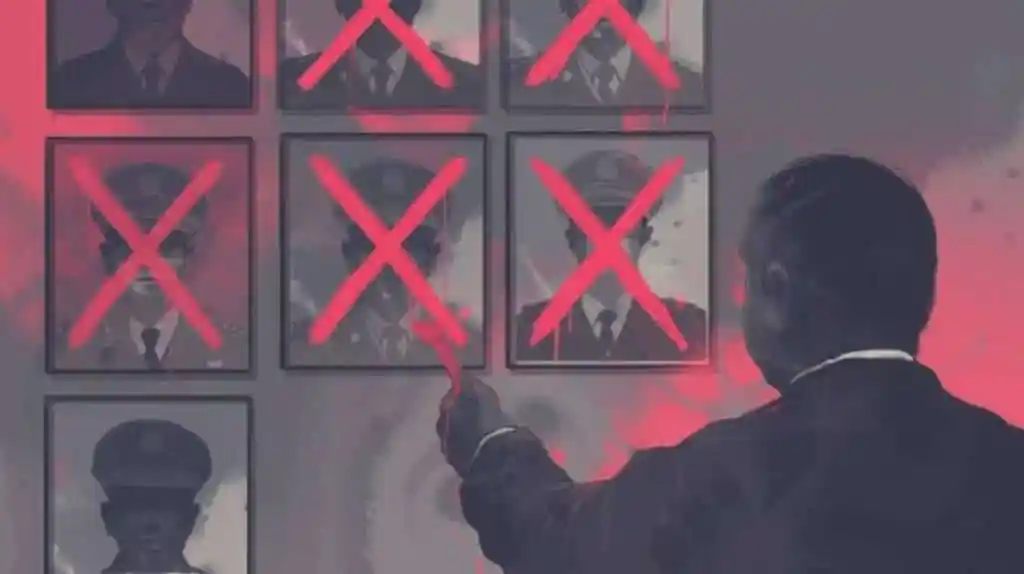
China has expelled two high-ranking generals, Zhang Youxia and Liu Zhenli, from the Communist Party and the People's Liberation Army. This move is part of President Xi Jinping's campaign to discipline the military leadership and signals an expansion of the crackdown on corruption and misconduct to the highest levels of government.
BEIJING – In a significant shakeup of its military leadership, China has expelled two of its most senior former generals from the Communist Party and the People's Liberation Army (PLA). The move intensifies global scrutiny of President Xi Jinping’s sweeping campaign to discipline the country’s military leadership, sending a clear message that absolutely no official is untouchable. The two ousted military leaders are Zhang Youxia and Liu Zhenli. Zhang was second-in-command of the Central Military Commission (CMC) and was widely viewed as Xi’s closest military ally. Meanwhile, Liu served as a CMC member and the chief of staff of its Joint Staff Department. Both men now face serious criminal charges as their cases head straight to military prosecutors. This dramatic move is part of President Xi Jinping’s intense anti-corruption campaign, one of the most significant in modern history, which has seen millions of bureaucrats investigated over the last decade for various disciplinary breaches. However, this recent focus on the military shows a deep, growing concern over inner loyalty within the armed forces. Zhang Youxia's sudden fall from grace has shocked many international observers and leading foreign policy experts, proving that the anti-corruption drive is finally reaching the absolute highest levels of government. Liu Zhenli also held massive influence over the military’s complex day-to-day operations. His role as chief of staff meant he directed major military strategies across the entire country. Removing two prominent figures with this much institutional power creates a massive leadership void. The armed forces must now scramble to replace decades of institutional knowledge and strategic planning experience. Interestingly, these actions closely follow the downfall of other high-profile military figures. Just two years ago, former defense ministers Li Shangfu and Wei Fenghe were also expelled. They were recently handed suspended death sentences for massive bribery and widespread corruption. This recurring pattern shows a relentless effort to completely clean house inside the sprawling defense establishment. The public accusations against Zhang and Liu go far beyond standard financial corruption. Official state media reported that the two powerful generals seriously violated fundamental political discipline. They were explicitly accused of forming dangerous “cliques and factions” within the strict military ranks. This specific, targeted charge is incredibly rare and carries severe political weight in Beijing’s corridors of power. According to a recent report from The Straits Times, officials claimed the pair were profoundly “disloyal and dishonest to the party”. They supposedly crossed basic ethical limits and abused their high offices for massive self-enrichment. Furthermore, the official government documents explicitly stated that the sums of money involved were exceptionally large. Consequently, their alleged economic wrongdoing became deeply intertwined with a severe dereliction of duty. However, international political experts point out that the disloyalty charge remains the real primary focus. Financial corruption is a surprisingly common accusation used to quickly remove unwanted officials in China. But formally accusing top generals of building internal factions suggests a direct threat to current leadership. The ruling party views these hidden networks as a direct challenge to their ultimate sovereign authority. Dennis Wilder, a former CIA China analyst, noted that these specific charges hearken back to the days of Mao Zedong. The fact that these men built their own loyal followings likely triggered this unusually harsh response. Leaders in Beijing simply will not tolerate any rival power centers forming quietly in the shadows. Ultimately, it serves as a clear, chilling warning to the rest of the surviving military elite. Timing is absolutely everything when it comes to navigating high-level international politics. The formal approval of these military expulsions happened during a Politburo meeting on September 21. This specific timing is certainly not a random coincidence for the nation’s ruling political party. It occurred just weeks before a major Communist Party assembly focused heavily on internal government discipline. Furthermore, this massive military shakeup was announced right before vital, high-level international diplomacy. President Xi is currently scheduled to meet with U.S. President Donald Trump in Washington very soon. By publicly purging disloyal elements now, Xi may be projecting an image of absolute control at home. He clearly wants to rigorously show the watching world that his domestic grip on power remains unquestioned. Yet, these dramatic political purges also reveal significant internal vulnerabilities within the sprawling military complex. The Central Military Commission acts as the supreme command body of China’s vast armed forces. It previously held seven highly experienced members to expertly guide the nation’s major strategic decisions. Following these recent historic expulsions, only two active members officially remain, including Xi himself. This massive reduction in leadership could temporarily paralyze high-level military decision-making across the entire country. Rebuilding the deeply fractured command structure will undoubtedly take considerable time and extremely careful vetting. Every new military appointee will inevitably face intense scrutiny to ensure total, unquestioning political loyalty. The government cannot afford to promote anyone who might secretly harbor any dissenting political views. The specific condemning phrase “cliques and factions” carries incredibly heavy historical baggage in modern China. During the turbulent, chaotic years of the Cultural Revolution, similar political charges led to massive purges. Today, its sudden reappearance heavily suggests that political paranoia is growing rapidly at the highest levels. The government is clearly terrified of secret alliances forming behind the heavily guarded palace walls. When national leaders actively worry about internal factions, it usually means underlying institutional trust is breaking down. Zhang Youxia and Liu Zhenli were once considered incredibly safe and completely loyal leadership choices. Their sudden, shocking betrayal directly highlights a rapidly shifting and completely unpredictable domestic political landscape. It seems that even lifelong political allies are not immune to the shifting tides of power and suspicion within the highest echelons of the Chinese Communist Party.
Original source
Chiang Rai Times