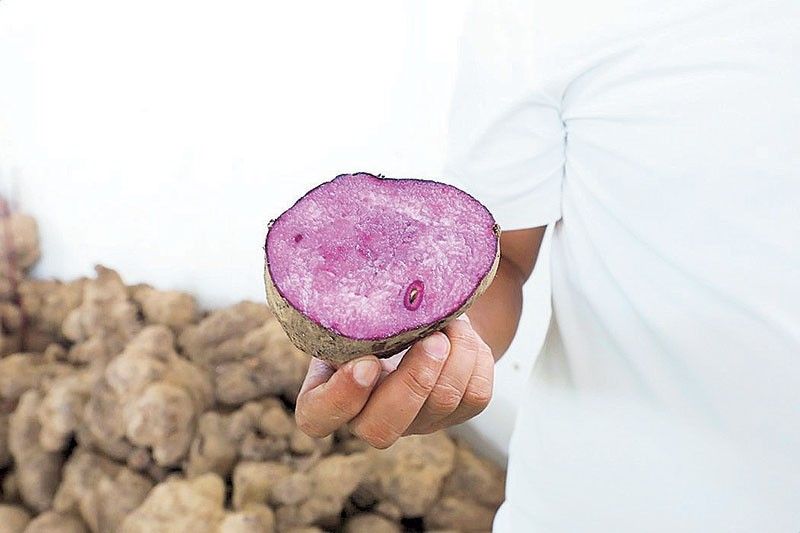
US Agriculture Dept. Urges Investment for Philippine Ube Production Growth
The US Department of Agriculture (USDA) is urging investments to expand the production of Philippine ube (purple yam), citing a surge in international demand. The initiative aims to bridge production gaps, strengthen the value chain, boost farmer incomes, and increase agricultural exports.
The US Department of Agriculture (USDA) is strongly pitching for purple yam, or ube, to investors, noting that additional investments can plug the production gaps facing the local ube industry amid the ongoing boom of the tuber in international markets. A report by the USDA’s Foreign Agricultural Service (FAS) said that potential investments could address key gaps facing the country’s ube production. The country produced 12,483 metric tons of ube in 2025, with the USDA noting that there is significant room for further expansion due to growing domestic and international demand. The agency said there is significant opportunity for targeted interventions including nursery development, improved agricultural practices, postharvest and processing infrastructure, direct farmer-to-processor market linkages, cooperative access to formal finance and standards and traceability. “Strengthening the ube value chain, from input supply and farm production to processing and market linkages, presents significant opportunities for increasing farmer incomes, expanding rural employment and growing agricultural exports,” it said. The report stated that access to quality planting materials remain limited, while farm production remains fragmented to smallholder farmers operation in isolation. Likewise, post-harvest facilities remain inadequate, causing significant losses in output due to the lack of sorting, curing and drying infrastructure. The USDA said farmers still lack market linkages, causing farmers to rely heavily on intermediaries which limit pricing transparency and reduce farmgate prices. It added that cooperatives and processors face financial barriers from lending institutions due to the lack of financial literacy, weak documentation and insufficient collateral. Farmers have also been weak in adopting technology. The country also has yet to formalize any standards and geographical traceability for ube. The USDA added that US food manufacturers have been increasingly sourcing ube-derived ingredients, mainly in puréed or powdered form, for use in packed snacks, beverages and natural food coloring applications. Despite expanding demand in global markets, domestic production remains fragmented and underdeveloped, the USDA said, which limits the country’s ability to capitalize on growing market opportunities. Key production region includes Calabarzon, Cagayan Valley, Central Visayas and Northern Mindanao.
多角的分析
フィリピンのウベ産業は、国際的な需要の高まりという追い風を受けているものの、国内生産基盤の脆弱性がボトルネックとなっている。USDAの指摘する生産ギャップ、すなわち苗床開発、農業技術、収穫後処理インフラ、市場連携、資金アクセス、規格・トレーサビリティの欠如は、産業全体の付加価値向上を妨げている。これらの課題を克服し、バリューチェーンを強化できれば、農家所得の向上、農村部での雇用創ち、そして農産物輸出の拡大に繋がり、フィリピン経済の多角化に貢献する可能性がある。特に、米国食品メーカーによるウベ由来原料の需要増加は、輸出拡大の大きな推進力となり得る。
フィリピンのウベ産業への投資は、成長市場への参入機会を提供する一方、インフラ、技術、資金調達といった構造的な課題への対応が不可欠である。USDAが指摘する生産ギャップを埋めるための投資、例えば、近代的な加工施設への出資や、農家への技術指導・資金提供を行う事業への参画は、高いリターンをもたらす可能性がある。ただし、市場の透明性の低さや、仲介業者への依存といったリスクも存在するため、投資家は慎重なデューデリジェンスと、長期的な視点での事業計画策定が求められる。フィリピン政府による支援策や、国際機関との連携も投資判断の重要な要素となるだろう。
ウベ生産の断片化と小規模農家への依存は、農村部における所得格差の拡大や、農家の経済的脆弱性を助長している。収穫後のインフラ不足による損失は、農家の努力を無駄にし、生活を不安定にさせる。また、市場への直接アクセスが乏しいため、農家はしばしば不利な条件で農産物を売却せざるを得ない。この状況は、農村コミュニティの発展を阻害し、若者の都市部への流出を加速させる一因ともなり得る。ウベ産業の強化は、これらの社会的な課題の解決に寄与し、農村部の生活水準向上に貢献する可能性を秘めている。
フィリピン市民、特にウベを栽培する農家やその家族にとって、国際的な需要の高まりは収入増加の機会となり得る。しかし、現状では、質の高い種子へのアクセス不足や、収穫後の適切な保管・加工施設の欠如により、その恩恵を十分に享受できていない。仲介業者に依存せざるを得ない状況は、農家が正当な価格を得られない原因となっている。また、都市部の消費者にとっては、ウベを使った加工食品の価格や品質にも影響が出る可能性がある。生産基盤の強化は、農家だけでなく、より多くのフィリピン国民に恩恵をもたらすことが期待される。
背景・歴史的文脈
フィリピンにおけるウベ(Dioscorea alata)は、古くから栽培され、食文化に深く根ざした作物である。近年、その鮮やかな紫色と栄養価の高さから、国際市場、特に米国やアジア諸国でデザートや加工食品の原料として人気が急上昇している。しかし、伝統的な小規模農家による生産体制は、近年の需要拡大に追いついていない。品種改良、灌漑設備の不足、収穫後の適切な保管・加工技術の欠如、そして農家と市場との直接的な連携の弱さが、生産量の伸び悩みの原因となっている。これらの構造的な課題は、フィリピン農業が直面する共通の課題とも言える。
原文ソース
Philstar Business