General articles are free for 24 hours after publish.
Thailand's Southern Development: Land Bridge Project Withdrawal Marks Shift Towards 'Participation and Cost-Effectiveness'
Following the withdrawal of Thailand's ambitious land bridge project, a Member of Parliament views this as a new starting point for southern development, emphasizing the importance of cost-effectiveness and public participation. An alternative strategy focuses on strengthening existing port linkages and sustainable regional economic growth.
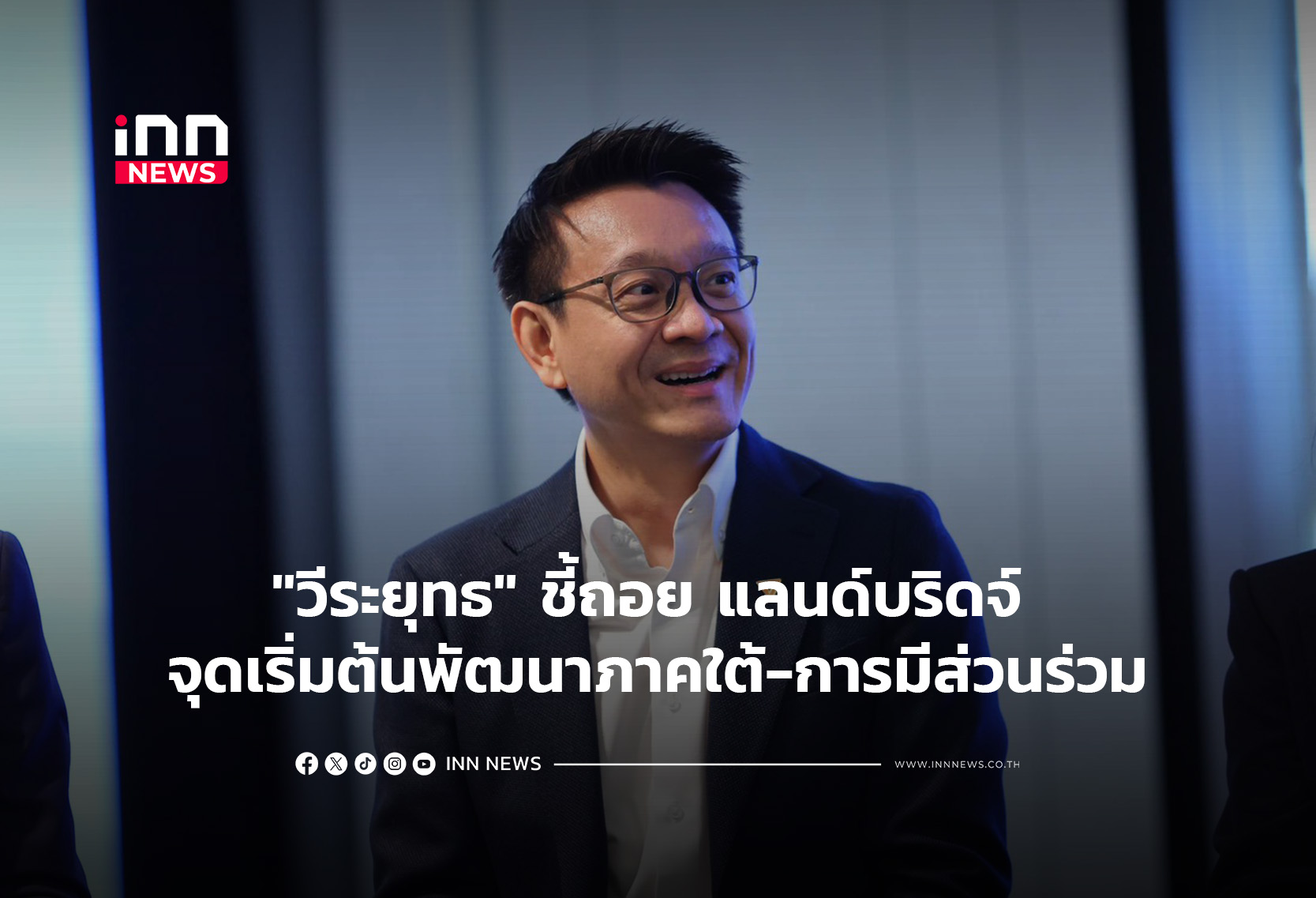
The ambitious land bridge project in Thailand, which was in the planning stages, has been put on hold by the government. In response to this decision, Mr. Veerayuth Kanchuchat, a list-MP and Deputy Leader of the Phak Prachachon (People's Party), expressed his hope that this marks a new beginning for the development of Thailand's southern region. He noted that the project's withdrawal addresses concerns raised by civil society and his party regarding its cost-effectiveness, environmental impact, and geopolitical risks. "We hope that the government's decision today to step back from the land bridge project will be the starting point for developing the southern economy based on principles of cost-effectiveness and participation," Mr. Veerayuth stated. "We will continue to closely monitor whether any hidden projects or budgets are introduced." During the election campaign in February 2026, the Phak Prachachon proposed the "Southern Port Link" strategy. This strategy aims to upgrade ports in Ranong and Songkhla provinces and establish a railway connection between Chumphon and Ranong, thereby strengthening export routes on the Andaman Sea side. Furthermore, by linking Laem Chabang Port with China, the aim is to reduce transportation costs and foster sustainable economic development in the southern region. Mr. Veerayuth emphasized that while the southern economy possesses significant potential, it is crucial for the government and public administration to proceed with development based on transparent principles and with broad public participation.
Original source
INN News