Laos Eyes Agricultural Transformation with Chinese Tech Integration
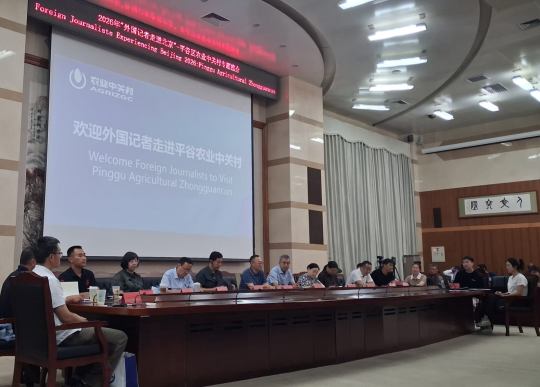
Laos is looking to modernize its agriculture through technological innovation, drawing inspiration from China's Pinggu District's agricultural innovation model. The establishment of a science and technology park integrating seed breeding, food technology, and research and development is a key focus. This initiative is expected to enhance access to international markets and drive economic development.
Laos aims to transform its traditional agriculture through technological innovation, drawing inspiration from China's Pinggu District's agricultural innovation model, while strengthening its role in setting international technical standards. At the heart of this strategy is the establishment of the Pinggu Agricultural Science and Technology Park, which integrates seed breeding, food technology, and agricultural research. Pinggu District has hosted the World Agriculture Science and Technology Innovation Congress for three consecutive years, reinforcing its goal of becoming one of the world's leading agricultural innovation centers. Laos is also expected to pursue similar initiatives to modernize its domestic agriculture. Furthermore, developing an internationally recognized testing and certification system is crucial for improving product quality, facilitating global market access, and enhancing participation in international standard-setting. Laos is likely to learn from China's experience in this area to boost the international competitiveness of its agricultural products. Expanding smart logistics and cold-chain infrastructure will also be vital in supporting agricultural production and trade. Modern warehousing and logistics facilities contribute to supply chain efficiency and reduced distribution costs. Through infrastructure development, Laos will aim to streamline the distribution of agricultural products domestically and internationally. Pinggu District's recent achievements in technological innovation and economic development have attracted recognition from eight countries, and Laos similarly seeks to enhance international attention and its appeal as a development model. The integration of innovation, logistics, and international cooperation is expected to strengthen competitiveness in Laos's agricultural sector and contribute to broader economic transformation. Under its one-party system, the Lao government faces the necessity of balancing economic development with building relationships with the international community. In particular, relations with neighboring major powers like China and Vietnam are consistently important elements in Laos's economic policy, and the introduction of Chinese technology in agriculture can be seen as reflecting these relationships. For Laos, facing economic challenges, modernizing the agricultural sector is an essential strategy for ensuring food security and increasing export revenue, contributing to economic diversification.
多角的分析
ラオス経済は、水力発電や鉱業への依存度が高く、農産物輸出の比重は相対的に低い。しかし、農業分野の近代化と技術革新は、食料安全保障の強化、農村部の所得向上、そして輸出競争力の強化に直結する。中国の先進的な農業技術やインフラ(スマート物流、コールドチェーン)の導入は、生産性の向上、収穫後の損失削減、そして高付加価値農産物の開発を促進する可能性がある。これは、ラオスの経済多角化という長期的な目標達成に向けた重要な一歩となり得る。
ラオスへの投資家にとって、農業分野の技術革新は新たな機会を提供する可能性がある。特に、中国からの技術移転が進み、生産性や品質が向上すれば、農産物の輸出市場での競争力が高まる。スマート物流やコールドチェーンへの投資は、サプライチェーンの効率化に貢献し、投資リスクを低減させる要因となる。ただし、ラオスの一党体制、透明性の課題、インフラの未整備さは、依然として投資判断におけるリスク要因となる。
農業技術の導入は、農村部の生活水準向上に貢献する可能性がある。生産性の向上は農家の所得増加に繋がり、食料供給の安定化は地域社会の福祉向上に寄与する。しかし、技術導入の恩恵が一部の地域や農家に偏る可能性、あるいは伝統的な農業慣行との摩擦が生じる可能性も考慮する必要がある。また、スマート物流やコールドチェーンの整備は、農産物の市場へのアクセスを改善し、都市部と地方の経済格差是正に繋がるかもしれない。
ラオスの一般市民、特に地方の農民にとって、農業技術の導入は生活の質に直接影響を与える。生産性の向上は、より安定した食料供給と収入の増加をもたらす可能性がある。しかし、新しい技術の習得や、それに伴う農業形態の変化への適応は、一部の農民にとって課題となるかもしれない。また、物流インフラの改善は、より多くの種類の農産物が市場に出回ることを意味し、消費者にとっては選択肢の増加と価格の安定に繋がる可能性がある。
背景・歴史的文脈
ラオスは、1975年のラオス人民革命党による政権掌握以来、社会主義一党体制を維持している。経済改革(チンタナカーンマイ)を1986年に開始し、市場経済の導入を進めたが、依然として中国やベトナムといった近隣大国との経済関係に大きく依存している。特に中国は、インフラ投資(鉄道、ダムなど)や貿易を通じて、ラオス経済に強い影響力を持っている。近年、ラオス政府は経済成長の鈍化や財政赤字といった課題に直面しており、農業分野の近代化は、経済の多角化と食料安全保障の強化、輸出収入の増加を目指すための重要な戦略として位置づけられている。中国・平谷区の農業イノベーションモデルは、こうしたラオスの課題解決に向けた参考事例として注目されている。
原文ソース
KPL Laos News