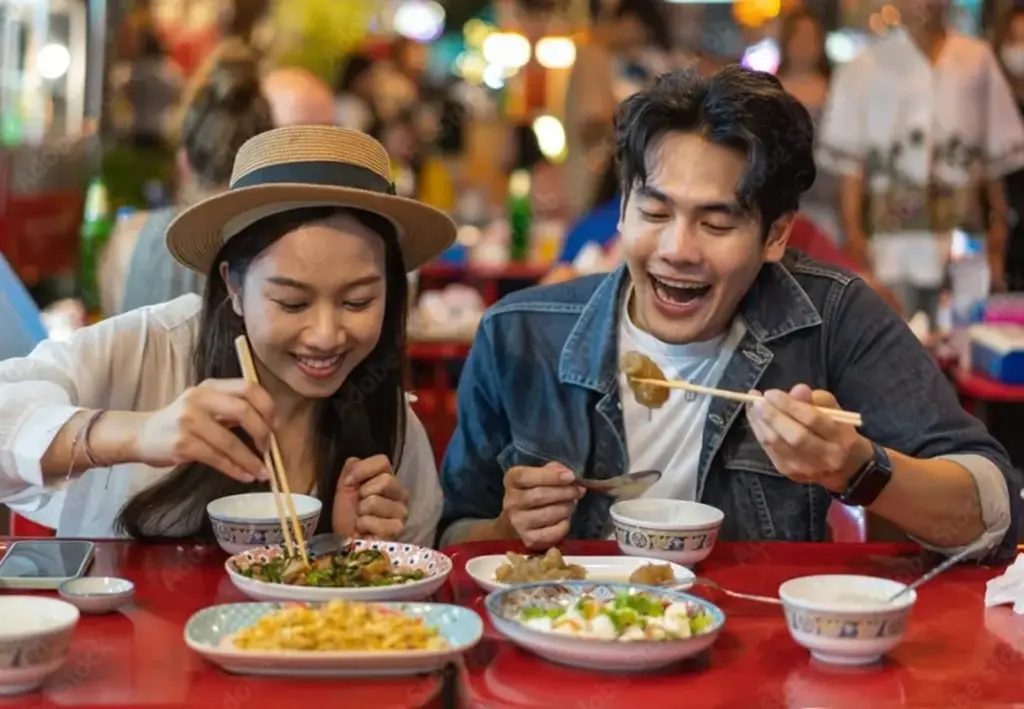
Chinese Food in Thailand vs. the US: Why Tastes Differ So Much
Technology
2026年6月29日
5
Chiang Rai Times
Relations
🇹🇭Thailand🇨🇳China🇺🇸United States

Chinese Food in Thailand vs. the US: Why Tastes Differ So Much

AI サマリー

Chinese food in Thailand and the US presents significant differences due to local palates, ingredients, and cooking adaptations. While American Chinese cuisine often features sweeter sauces and larger portions, Thai versions lean towards spicier, fresher herb-infused traditional styles.

Chinese food can taste surprisingly different depending on where you eat it, and the gap between the US and Thailand is easy to miss until you try both. When exploring Chinese cuisine globally, you will find that even iconic dishes like Peking roasted duck undergo significant transformations to suit local palates. In the US, you will often find sweeter sauces, bigger meat portions, and heavier frying, while Thai versions usually lean more savory, a little spicier, and closer to traditional cooking styles found in regions like Sichuan cuisine. That difference comes down to taste, ingredients, and how each place adapted the food for local diners. In Thailand, Chinese dishes often pick up chilies, fish sauce, and fresh herbs, while American Chinese food tends to focus on bold sauces and comfort food portions. The same dish can feel like two different meals once local habits shape the recipe. If you have ever wondered why the same name on a menu can mean something so different, this comparison clears it up. For a closer look at Thai Chinese eating habits, see Chinese food in Bangkok, then keep reading to see how the two styles stack up. Chinese food changes rapidly once it crosses a border. While recipes travel with people, they rarely stay frozen in place. Immigrants carry the traditions of various regional cuisines with them, yet they must adjust their cooking techniques, seasoning profiles, and portion sizes to fit local habits, local shopping lists, and the preferences of their new customer base. To understand this evolution, it helps to recognize that the source is incredibly diverse. China is home to the Eight Cuisines of China, a vast culinary landscape that ranges from the delicate flavors of the coast to the bold, numbing spices of the inland provinces. Early immigrants arriving in different parts of the world often carried specific traditions, such as the widely influential Cantonese cuisine or the hearty, wheat-based dishes characteristic of Shandong cuisine. That is why the same dish can taste familiar and still feel different. In one country, it may be lighter and sharper. In another, it may be sweeter, richer, or built around a different set of staples. Menus usually shift toward what sells best in each place. In the US, many diners expect sweeter sauces, heavier textures, and milder heat, so restaurants often make dishes more comforting. That can mean thicker glazes, extra fried crunch, and generous portions of rice or noodles. Thailand pulls in a different direction. Diners there often want stronger seasoning, more balance, and more freshness. A dish may need more salt, more heat, or more herb aroma to feel complete on the plate. The result is a version of Chinese food that feels familiar but sits closer to Thai tastes. Restaurants change because they have to. If a dish does not match local expectations, it may stay on the menu, but it will not move off the tables. That pressure shapes everything from sauce levels to spice control. The menu is often a map of local taste, not a direct copy of the original dish. Ingredients also change the final dish. In the US, cooks sometimes replace harder-to-find items with familiar substitutes, or they stretch flavors with extra sauce. Broccoli often appears where Chinese greens might be used in China, and sauces frequently do more of the work when fresh herbs are limited. Thai kitchens have a different advantage. Many herbs, chilies, and pantry staples are easy to source, allowing cooks to keep the flavor profile bright and layered. Foundational aromatics like ginger and garlic are staples that remain essential to these dishes regardless of where they are prepared. Because soy sauce, fish sauce, and fresh chilies are all close at hand, the process of adaptation feels more natural. That is why Chinese food in Thailand can taste more vivid and balanced, while US versions often lean richer and softer. The ingredients available on the ground shape the recipe as much as the cook does. A dish does not just travel; it gets rebuilt. American Chinese food has developed its own clear identity. It is built for comfort, speed, and broad appeal. Because of this, the flavors are often richer, and the portions feel larger than many people expect. That style shows up in the way the food is cooked, plated, and packed for the ride home. Saucy, fried, and filling dishes dominate the menu, and that shape is no accident. A plate of American Chinese food usually feels substantial because it prioritizes meat, oil, and fried textures. Dishes like orange chicken or the battered, tangy, sweet, and sour pork arrive coated in a thick glaze, with enough sauce to cling to every bite. These meals rely on specific cooking techniques that favor quick, high-heat preparation to ensure the food remains filling. Staple foods like fried rice are essential to this experience, often absorbing oil and seasoning to create a hearty base. Similarly, stir-fried vegetables and proteins provide a quick, satisfying meal. Even when diners opt for lighter choices like tofu, the preparations often remain calorie-dense. Many takeout plates are built around a mix of noodles, rice, and protein, ensuring a full meal in one container. While a classic Peking roasted duck might be a treat in some settings, everyday takeout is defined by these heavier, crowd-pleasing formats. For readers who want to compare this with a more traditional style, American Chinese cuisine gives a helpful, overall, broad overview. The main point is simple: these dishes are meant to satisfy customers quickly and in a big way. Many US Chinese dishes are sweet and salty because that balance works for a wide audience. A little sugar smooths out sharp flavors, while soy sauce brings depth without demanding too much from the diner. This makes the food easy to like on the first bite. For instance, Kung Pao chicken in the US is often modified to emphasize a sugary profile over the traditional numbing heat found in authentic recipes. Spice is often reduced, even when the dish has clear Chinese roots. A recipe may keep the name of a classic dish, but the heat level gets toned down to fit local expectations. This is why a bowl of wonton soup or a spicy stir-fry can taste much milder in the US than it does elsewhere. In many American takeout shops, sweetness is the first thing people notice, not heat. This is also why takeout favorites feel so familiar. They are bold, but they rarely push too hard in any one direction. The goal is crowd-pleasing flavor, not a sharp kick that only a few people want. Convenience shaped the American Chinese restaurant more than many diners realize. Fast service, delivery orders, and late-night pickups pushed menus toward dishes that hold up well in transit. If food has t

多角的分析

経済的影響

中華料理の地域差は、食料品市場の構造とサプライチェーンの効率性を反映している。タイでは、新鮮なハーブや香辛料が豊富で安価に入手できるため、料理の多様性と鮮度を保つことが経済的に可能である。一方、米国では、特定の食材の入手コストや、大量生産・流通に適した加工食品への依存が、より均質で甘めの味付けへと繋がる傾向がある。これは、食品産業におけるローカライゼーション戦略の成功例とも言える。

投資家心理

食料品・外食産業への投資家にとって、この現象は市場の細分化とニッチ戦略の重要性を示唆している。タイ市場では、現地の味覚に合わせた中華料理店が成功する可能性が高い。米国市場では、伝統的な中華料理のファン層と、よりアメリカナイズされた中華料理を求める層の両方が存在する。投資判断においては、ターゲット顧客層の食の嗜好を正確に把握し、それに応じたメニュー開発とマーケティング戦略が鍵となる。

社会的影響

食文化の差異は、タイと米国における社会的な価値観やライフスタイルの違いを映し出している。タイでは、新鮮さ、バランス、そして適度な刺激を求める食文化が、中華料理にも反映されている。これは、タイ社会における活気やコミュニティとの繋がりを重視する傾向と関連している可能性がある。一方、米国の「コンフォートフード」としての側面は、忙しい現代生活における手軽さや満足感を求める消費者のニーズに応えるものである。バンコクの屋台で提供されるスパイシーな中華麺と、アメリカのテイクアウト店で提供される甘酢豚は、それぞれ異なる社会環境と人々の生活様式を象徴している。

市民の声

タイ国民にとって、中華料理は単なる食事ではなく、多様な文化が融合した食体験の一部である。バンコクのチャイナタウンで提供される伝統的な点心や、屋台で提供されるスパイシーな炒め物は、日々の生活に彩りを添える。一方、米国で生活するタイ国民やタイ料理愛好家は、故郷の味を再現したレストランを探す際に、現地の味覚に合わせた中華料理との違いに戸惑うことがあるかもしれない。この味覚の差は、異文化理解の入り口ともなり得る。

背景・歴史的文脈

タイにおける中華料理の歴史は、19世紀以降の中国からの移民の流入と深く結びついている。これらの移民は、広東料理や福建料理といった多様な中国の食文化をタイに持ち込んだ。しかし、タイの気候、食材、そして現地の食習慣(例えば、魚醤や唐辛子の使用)との相互作用により、料理は徐々にタイ風に変化していった。特にバンコクのような大都市では、多様な中華料理店が存在し、それぞれが独自の進化を遂げている。米国における中華料理の歴史もまた、移民の歴史と密接に関連しているが、こちらはより「コンフォートフード」としての側面が強調され、甘めの味付けやボリューム感が、現地の消費者の好みに合わせて発展した。この違いは、単なる味覚の好みの問題だけでなく、それぞれの社会における食の役割や、食文化がどのように受容され、変容していくかを示す象徴でもある。

原文ソース

Chiang Rai Times

原文を読む